Leaves are yellowing or the plant is drooping
Check first
Record which leaves changed, how fast, and whether the root zone is dry, evenly moist, or saturated.
Keep in mind: Yellowing and droop are symptoms, not proof of overwatering or thirst.
Plant Triage Desk · free guide-first
A yellow leaf, a drooping stem, or a speck on the soil is a clue, not a diagnosis. Use this desk to choose the next safe check, follow a written guide, and decide what deserves action.
No photo upload. No instant diagnosis. This is a link-based decision aid. It cannot identify every pest, disease, toxicity, or cause with certainty.
Choose the nearest task
Choose by what you need to do, not by a diagnosis you do not have yet.
Choose the closest visible pattern, then compare more than one clue before changing care.
See symptom pathsUse the pest sweep for live insects, webbing, sticky residue, bumps, or fresh feeding damage.
Open the pest pathBuild a baseline before repotting, buying equipment, or changing several variables at once.
Check the setupEstimate each plant’s actual water use, test any system, and leave narrow stop rules.
Read the free travel guide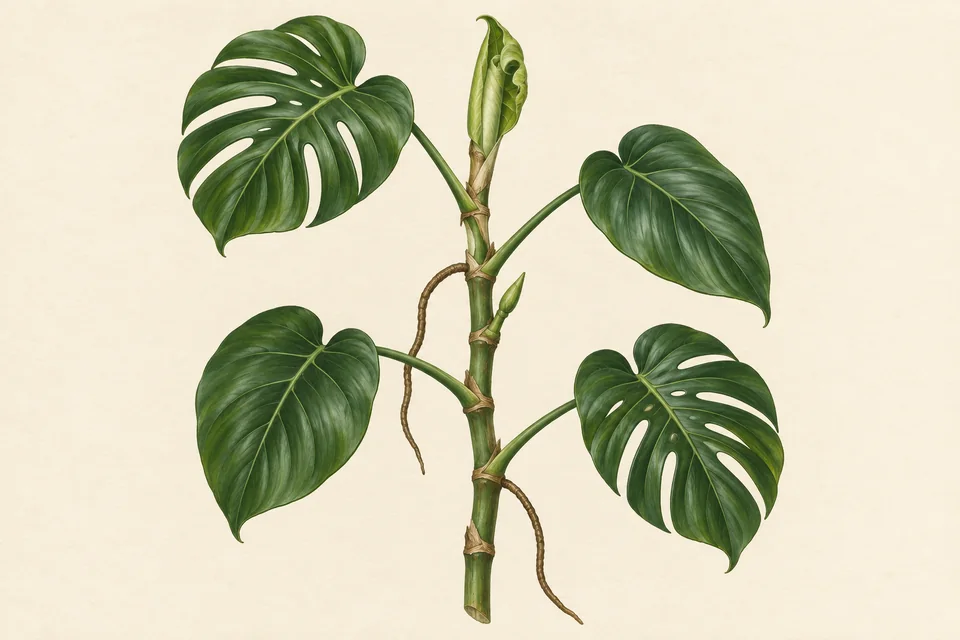
Visual plant reference
Use 19 illustrated landmarks to separate a node from a petiole, find a crown or root flare, and describe exactly where a change appears.
Open the plant anatomy libraryObserved symptom paths
These paths narrow the next check; they do not declare a cause. When more than one path fits, start with the least destructive check and keep the alternatives open.
Record which leaves changed, how fast, and whether the root zone is dry, evenly moist, or saturated.
Keep in mind: Yellowing and droop are symptoms, not proof of overwatering or thirst.
Compare the whole pattern: roots and watering, heat, humidity, residue, water source, and physical injury.
Keep in mind: One brown edge cannot identify the cause, and damaged tissue will not turn green again.
Check drainage, pot size, recent watering, and root condition. Treat a meter reading as one clue, not a command.
Keep in mind: Do not unpot a stable plant or cut roots because of a single surface sign or tool reading.
Inspect leaf undersides, stems, crevices, mix, and nearby surfaces. Separate the plant when spread is plausible and safe.
Keep in mind: Old damage is not proof of an active pest. Confirm what is alive before selecting a control.
Free guides for this path
Distinguish fuzzy growth from mineral crust, insects, fertilizer residue, or decaying material before cleaning it up.
Keep in mind: A surface layer alone does not establish root disease or an indoor-air health risk.
Verify plant identity and growth stage, then measure the light pattern and review support, roots, and recent changes.
Keep in mind: A grow light or larger pot is not automatically the missing input, and no setup can force a leaf form.
The desk method
This loop preserves the evidence. Urgent containment and safety corrections come first; one-variable testing is for nonurgent situations only.
Write down what changed, where it appears, when it began, and what stayed normal. Take comparable photos if useful.
Choose a path from the evidence you have. Keep at least two plausible explanations until the checks separate them.
Use non-destructive checks first. Stop for exposure, electrical, structural, legal, or high-spread concerns.
For a nonurgent problem, make the least disruptive justified correction and record what you deliberately leave steady.
Compare fresh damage, new growth, live-pest counts, and root-zone behavior. Old damage may not disappear, so do not use it alone to judge progress.
Stable enough to plan
Use these when there is no urgent stop condition and you are deciding how the care system should work.
Inspect, isolate when appropriate, place, water, and monitor before folding a new plant into the collection.
How to Acclimate a New Houseplant SafelyMatch drainage, size, material, and stability to the plant and your real watering conditions.
Choosing the Right Pot for a HouseplantUse root and soil evidence to decide whether disruption is justified, then plan low-stress aftercare.
How to Repot a Houseplant: A Low-Stress MethodMeasure first, then select, place, and adjust a fixture around the plant instead of relying on brightness by eye.
How to Choose and Use Grow Lights for HouseplantsMeasure relative humidity and balance plant response against condensation, device, and building risks.
Indoor Humidity for Houseplants Without GuessworkLearn the moisture pattern, test any reservoir or wick, and give a sitter limited instructions and stop rules.
How to Keep Houseplants Alive While You’re AwayFree browser tools
Use a focused utility when the task is smaller than a full guide. Nothing here identifies a plant problem or replaces the evidence paths above.
Optional printable tools
The guides above contain the decision support. These paid downloads are optional record-keeping tools; neither diagnoses a plant, prescribes treatment, or promises recovery.
01 First, read the matching free symptom guide above and decide what you can safely monitor.
Organize a baseline, water and root-zone evidence, live-pest checks, one nonurgent change, and reassessment in the Plant Rescue Pack.
Optional $4.99 investigation workbook01 First, use the matching free guide above to reach a reasonable care plan.
Track comparable weekly observations and a continue, pause, or seek-help decision in the Plant Recovery Journal.
Optional $3.99 journal01 First, use the free vacation plant-care guide to test the routine.
Organize established instructions, contacts, boundaries, and visit notes in the Plant Sitter Handoff Maker.
Optional $3.99 handoff tool