Ingredients
Light Soy Sauce, Dark Soy Sauce and Low-Sodium Soy Sauce
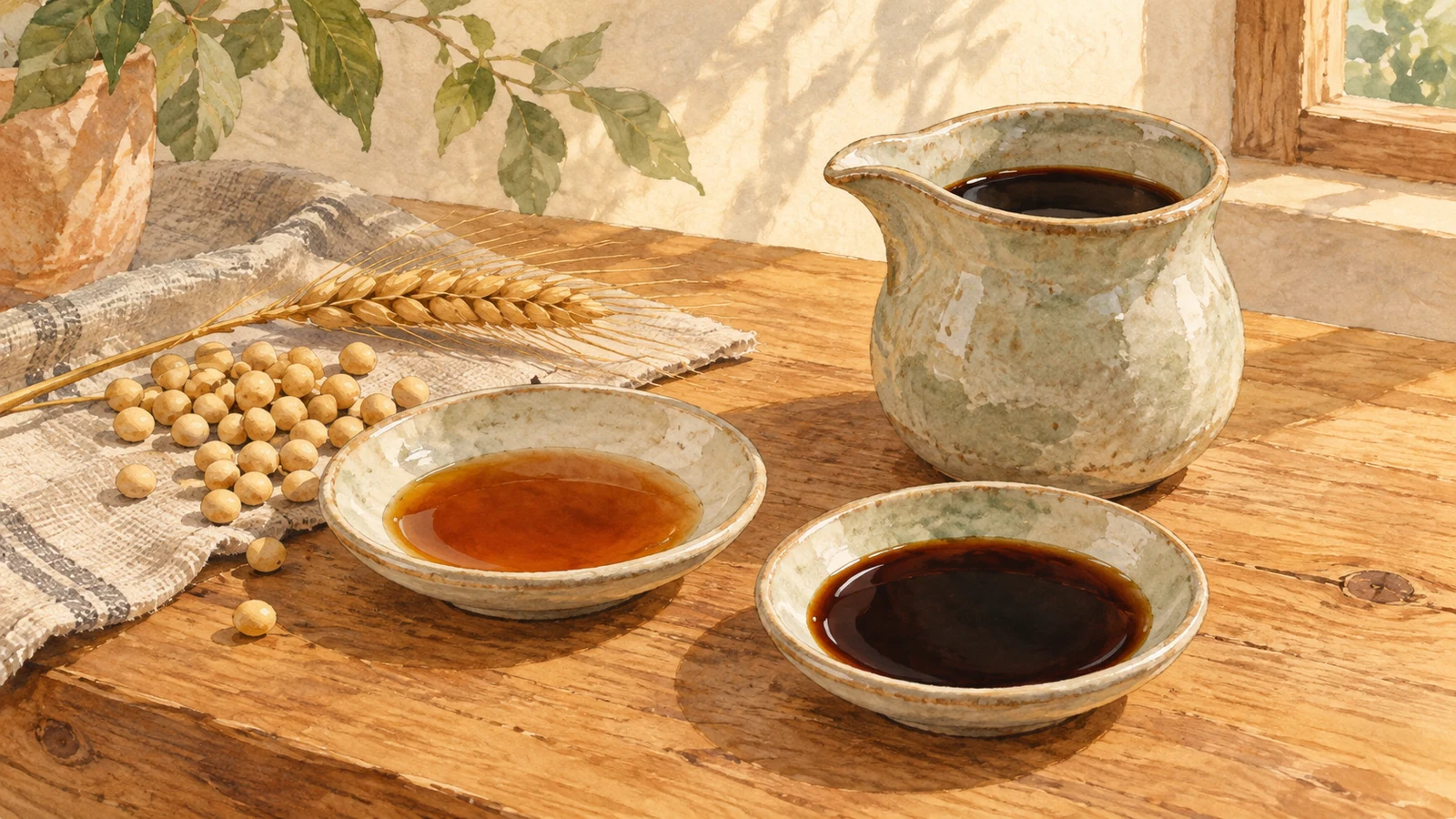
“Light,” “dark” and “less sodium” appear to describe one sliding scale. They actually answer different questions. In Chinese cooking, light and dark identify sauce styles. A reduced-sodium claim compares the salt content of one product with a reference product. A cook may need to make both decisions: choose the right style, then check its sodium.
Three questions for the shelf
What style does the recipe name?
Chinese light soy sauce is the everyday seasoning style; look for “light soy sauce” or 生抽 (shēng chōu). Chinese dark soy sauce, 老抽 (lǎo chōu), is commonly thicker and sweeter and adds deep color.
What does the sodium claim compare?
“Less sodium” or “reduced sodium” describes a nutritional comparison. It does not turn an all-purpose sauce into Chinese light soy, and it says nothing about the coloring role of dark soy.
What else is in this bottle?
Read the full ingredient and allergen statements. Wheat, soy, sugar, caramel color and preservatives vary by product and market. The bottle in hand is the final reference.
The Woks of Life distinguishes Chinese light soy from dark and reduced-sodium products and explains dark soy’s role in coloring noodles, rice and braises. Light and dark soy are also often used together, each doing a separate job.
English front labels are inconsistent. A Chinese light soy may rely on the characters 生抽 instead of printing “light.” Match the name with the maker’s description, the ingredient list and the recipe writer’s notes.
Four bottles, four exact labels
These Lee Kum Kee examples use UK/European 500 mL packaging; the Kikkoman pair uses U.S. 15 fl oz bottles. Each product links to its matching market’s manufacturer page. They illustrate label reading rather than ranking the sauces or claiming that every bottle in a category shares one formula. Packaging can change; the current manufacturer information and the bottle in your hand take precedence.
| Bottle | What the label tells you | What to check before buying |
|---|---|---|
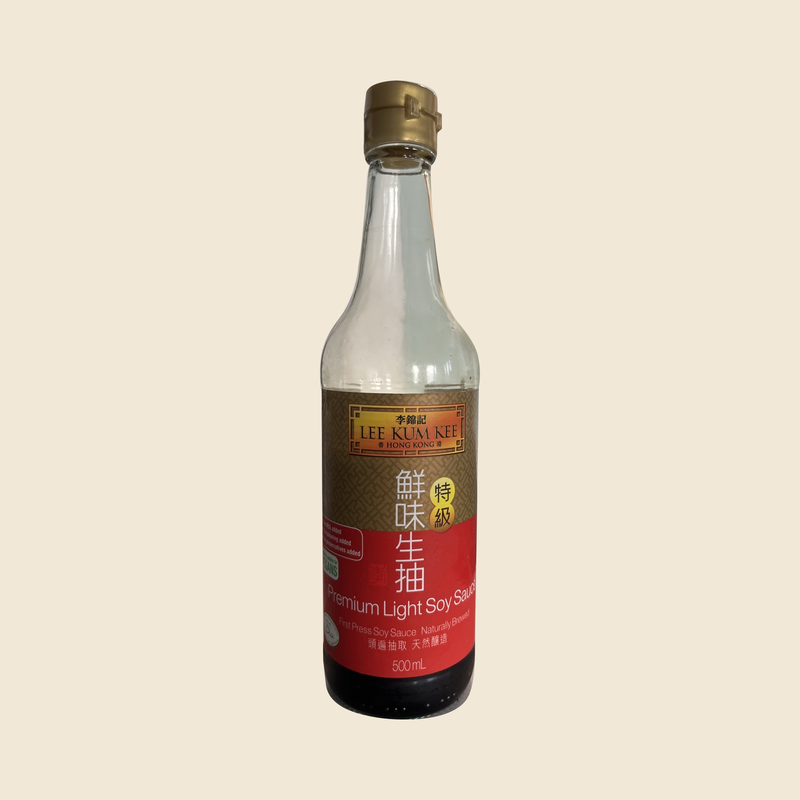 | The manufacturer lists soybeans and wheat flour among its key ingredients. “Light” describes the sauce style, not reduced sodium. | Contains soy and wheat. Check the current pack's complete ingredient list, which can change between versions. |
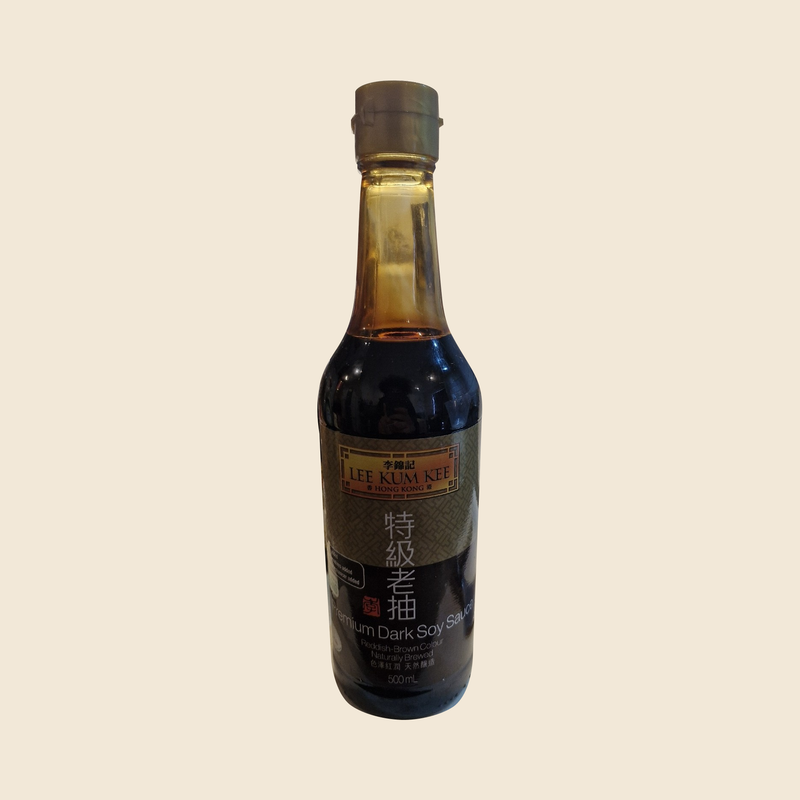 | Lists caramel color and sugar alongside soybeans and wheat. | Contains soy and wheat. Dark color is not a sodium measurement. |
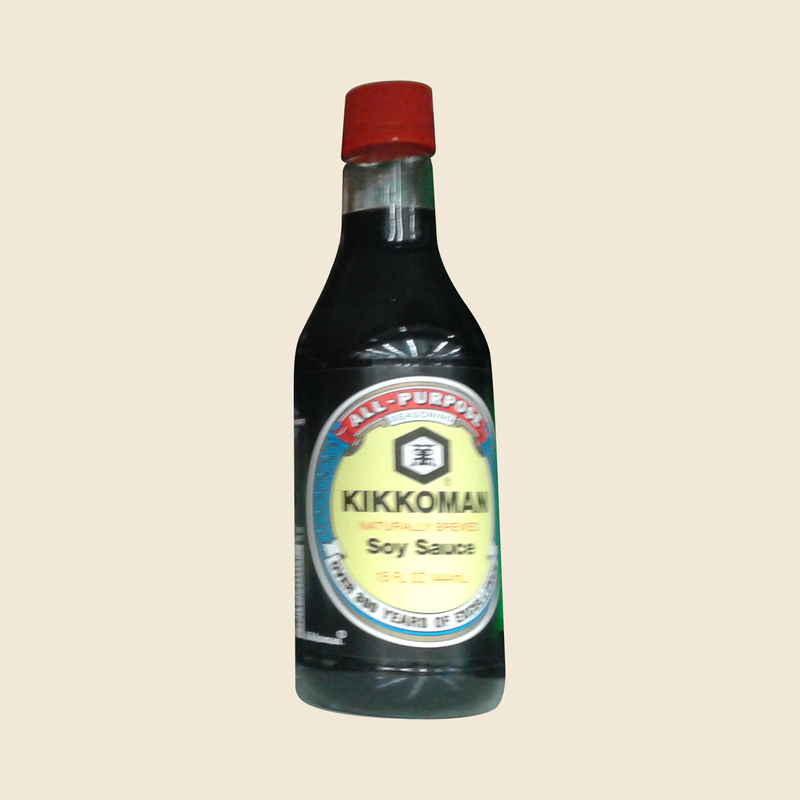 | Current U.S. 15 fl oz label: 960 mg sodium per 1 tablespoon (15 mL). | Lists soybeans and wheat. An all-purpose Japanese-style sauce, not Chinese dark soy. |
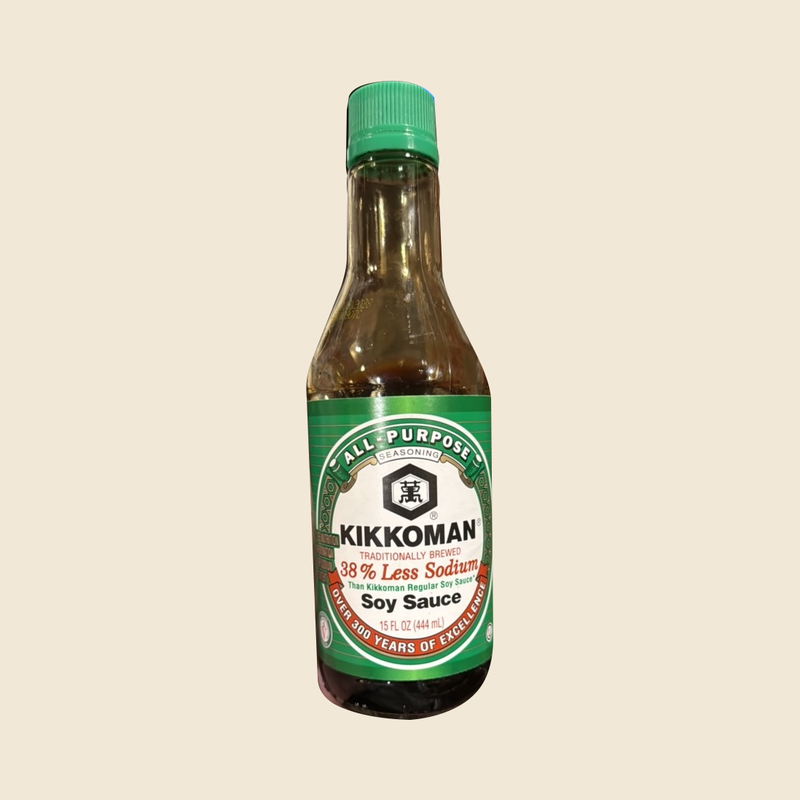 | 590 mg sodium per 1 tablespoon (15 mL). | Still contains soy and wheat. Less sodium does not mean gluten-free. |
Photo credits
- Lee Kum Kee Premium Light Soy Sauce, 500 mL (UK). UK/European packaging. Photo via Open Food Facts (macrofactor), CC BY-SA 3.0. Background removed and placed on beige.
- Lee Kum Kee Premium Dark Soy Sauce, 500 mL (UK). UK/European packaging. Photo via Open Food Facts (macrofactor), CC BY-SA 3.0. Background removed and placed on beige.
- Kikkoman Soy Sauce, 15 fl oz. 2014 packaging. Photo: Ser Amantio di Nicolao, Kikkoman display (Wikimedia Commons), CC BY-SA 3.0. Background removed and placed on beige.
- Kikkoman Less Sodium Soy Sauce, 15 fl oz. Photo via Open Food Facts (municorn-calorie-counter-app), CC BY-SA 3.0. Background removed and placed on beige.

The Kikkoman labels provide a useful arithmetic check. At the same 1-tablespoon serving, the listed values differ by 370 mg of sodium. Two tablespoons of the less-sodium sauce supply 1,180 mg—more than one tablespoon of the regular bottle. “Less” describes the product comparison, not an unlimited portion.
People often say “low-sodium soy sauce” for a bottle labeled “less sodium” or “reduced sodium.” The FDA defines those terms differently in its guide to sodium claims: “low sodium” means 140 mg or less per serving, while “reduced sodium” means at least 25 percent less than the regular product. The 590 mg example is reduced, not low. Anyone following a prescribed sodium limit needs to count the measured amount used.
At the stove with the bottle you own
The recipe asks for Chinese light soy. An ordinary Japanese all-purpose soy sauce can be a practical fallback when the recipe permits, although the flavor changes. The Woks of Life Chinese sauce glossary discusses this compromise. A large measure of dark soy is a poor default substitute because it changes color, texture and flavor together.
The noodles call for a little dark soy. Leaving it out, when the recipe allows, produces a paler dish. Adding extra light soy to chase the photographed color adds salt without recreating dark soy’s coloring effect. When dark soy forms a substantial part of a braising sauce, use a recipe written for the available bottle.
You want less sodium in a recipe using regular soy. Choose a reduced-sodium version of the same general style where possible, then taste before adding further salt. Kikkoman recommends its less-sodium sauce for the same broad uses as its regular sauce, but the recipe and label still control the amount.
A Japanese recipe names usukuchi. Pause at the terminology. Usukuchi is a light-colored Japanese soy sauce, not Chinese light soy and not necessarily lower in salt. Kikkoman’s discussion of Japanese seasonings describes it as saltier than everyday koikuchi.
The shared-meal check
All four photographed products list soy and wheat. Reduced sodium does not remove either allergen. Tamari also needs its own label check: Kikkoman’s survey of Japanese soy sauce types describes tamari made from soybeans alone or with some wheat. For gluten avoidance, choose a sauce explicitly labeled gluten-free and contact the manufacturer when the label is unclear, as the FDA recommends. A gluten-free soy sauce can still contain soy.
Finally, follow the storage direction printed on that bottle. The less-sodium Kikkoman example specifies refrigeration after opening and a tightly closed lid; another sauce may give different instructions. Style, sodium, allergens and storage are four separate label readings, even when they happen on the same bottle.