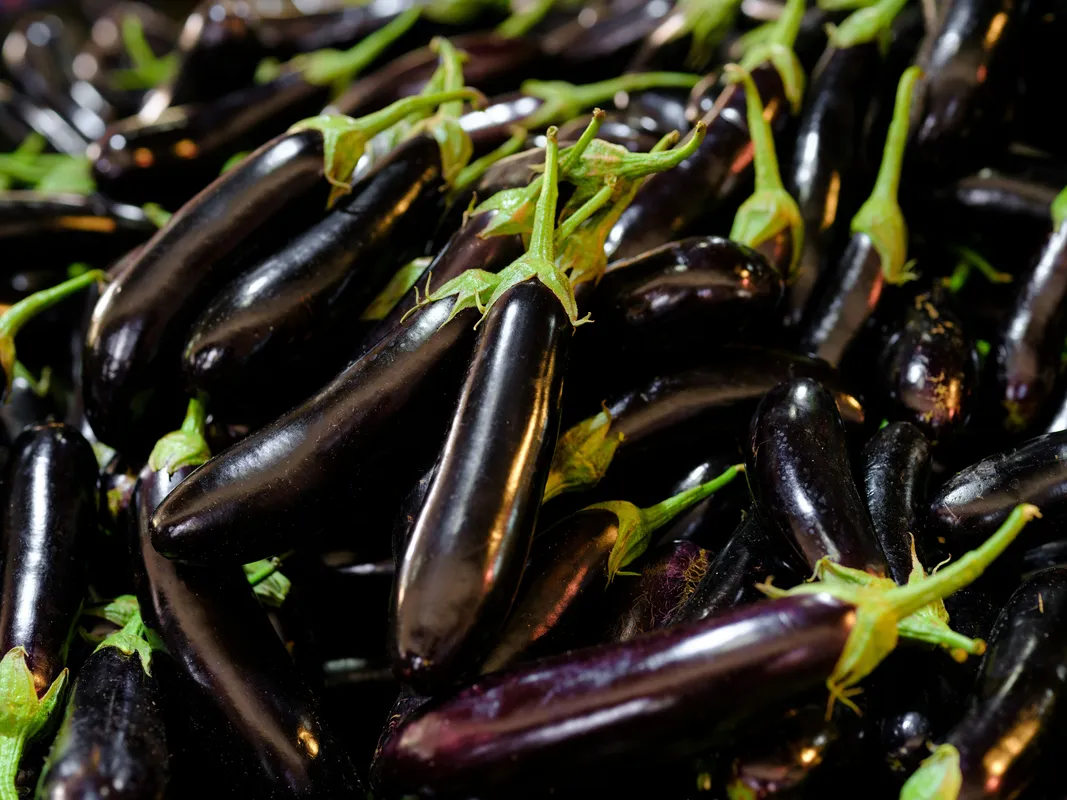
Chinese eggplant is not a separate species from globe eggplant. It is a garden and market grouping within Solanum melongena, usually referring to cultivars with slender fruits. Shape, color, maturity, plant size, and flavor still vary by cultivar, so the seed packet or transplant label should guide spacing and harvest size.
University of Maryland Extension distinguishes slender Chinese and Japanese types from larger Italian types and notes their thinner skin and more delicate flavor. University of Florida IFAS Extension lists Chinese, Japanese, Indian, Thai, and traditional eggplants under S. melongena while treating their planting and cultivar choices separately.
This guide covers warm-season outdoor production in a garden bed or a large container. A bright indoor windowsill is generally not equivalent to an outdoor fruiting site: eggplant needs substantial direct light, warmth, root space, and support to set and mature fruit.
Pick a cultivar for the actual season
Read the entire cultivar description before buying seed. Useful questions include:
- Is the fruit described as slender Chinese or another type?
- Are days to maturity counted from transplanting or from sowing?
- Is the plant compact enough for the intended container?
- Does the seller give a mature plant height and support recommendation?
- Has the cultivar been evaluated for the local climate or disease pressure?
An early-maturing cultivar can help where summers are short, but a number on a packet is an estimate under favorable conditions, not a harvest appointment. Cool soil, root disturbance, low light, drought, or pest pressure can delay development.
When comparing cultivars, look beyond descriptions such as “always sweet” or “never bitter.” Flavor varies with genetics, fruit maturity, weather, and care. For disease resistance, check which specific disease the breeder lists; resistance to one does not establish resistance to others.
Start with transplants in cooler regions
Eggplant is a tender warm-season crop. Utah State University Extension recommends transplants in cooler growing areas and describes eggplant as sensitive to cool temperatures. Start seed indoors according to the cultivar and local transplant date, commonly several weeks before safe outdoor planting.
Use a clean seed-starting medium, warmth suitable for eggplant germination, and strong overhead light after emergence. A heat mat can help maintain stable medium temperature, but check moisture because a small cell can dry quickly. Move seedlings into larger cells or pots before roots become severely crowded.
Harden plants gradually. Over several days, expose them to increasing outdoor light, wind, and temperature while protecting them from frost and abrupt midday sun. Transplant only after frost danger has passed and the soil and nights are reliably warm. A locally grown nursery transplant can be the simpler option when there is no suitable seed-starting setup.
Give the plant sun, room, and support
Select a site with full sun. Maryland recommends at least six hours of direct light and notes that more can be useful for eggplant. Avoid a bed where a wall, railing, or taller crop will shade the plant for much of the day.
In a garden, follow the cultivar and regional spacing rather than squeezing plants together. Common guidance places eggplants roughly 18 to 24 inches apart, but plant habit matters. Crowding reduces airflow and makes inspection and harvest harder.
Install a cage or sturdy stake while the plant is small. Fruit and summer storms can load branches unevenly, and adding support late risks damaging roots. Tie stems with a broad, flexible material that does not cut tissue. The site’s outdoor vine-support planner discusses general load and attachment questions, although eggplant is a branching shrub rather than a vine.
Use a large, stable container
University of Maryland Extension lists five gallons as a minimum container volume for eggplant and recommends matching container dimensions to both roots and top growth. A wider, heavier pot is more stable than a narrow pot of the same volume. A vigorous cultivar may benefit from more space than the minimum.
Use a food-safe container if the original use is known, with open drainage and fresh, well-aerated potting mix. Do not use soil dug from the yard in a patio pot. Place the container where runoff is allowed and where watering is readily available; an eggplant in a sunny container can dry quickly in hot, windy weather.
Check balcony or roof load limits, permissions, wind exposure, and drainage before filling a large container. A wet five-gallon-or-larger pot, plant, stake, and fruit weigh substantially more than the empty vessel.
Build fertility from evidence
In a garden bed, test soil and follow the regional recommendation. In a container, use a mix and fertilizer labeled for edible container crops. Long-season fruiting crops need ongoing nutrition, but excessive nitrogen can favor leaves over flowers and fruit.
Do not copy a commercial-acre rate into a pot or use a household spoon as a universal measure. Follow the product label for the container size and formulation. If the potting mix already includes fertilizer, account for it before adding more. Watch for crust on the mix or pot rim, leaf-margin injury after feeding, and persistently wet conditions that compromise roots.
Penn State Extension recommends a balanced approach and warns that excess nitrogen can increase leafy growth rather than blooms. When growth is poor, check warmth, light, roots, moisture, and pests before assuming the plant needs another dose.
Keep root moisture consistent
Water deeply enough to wet the active root zone, then allow excess to drain. Check more often during hot, windy periods and after the plant fills its container. A rigid calendar misses the effects of pot size, weather, plant size, and mix.
Mulch a garden bed after the soil has warmed to reduce evaporation and weeds. In a pot, leave the stem base visible and avoid a thick wet layer pressed against it. Irregular watering can reduce fruit quality and stress the plant, while constant saturation deprives roots of air.
Utah State University Extension recommends deep watering and notes that both under- and overwatering can cause poor fruit quality or root trouble. Direct water toward the root zone instead of repeatedly wetting foliage late in the day.
Protect young plants with diagnosis-first IPM
Flea beetles often make many small holes in eggplant leaves and can set back small transplants. Floating row cover can protect young plants while also holding some warmth, but it must be managed before flowering and before trapped heat becomes excessive. Inspect under the cover instead of assuming it solves every problem.
Other possible issues include aphids, mites, Colorado potato beetles, leaf spots, and Verticillium wilt. Do not treat holes, yellowing, or wilt as interchangeable. Photograph both sides of leaves, inspect stems and soil, and identify the cause through Extension or a diagnostic service when uncertain.
University of Illinois Extension highlights flea beetles and Verticillium wilt as common concerns. Rotate eggplant and related solanaceous crops away from a bed with known soilborne disease history when space allows. If a pesticide is needed, use only a current product labeled for edible eggplant and the identified pest, and follow its rate, protective equipment, pollinator, re-entry, and preharvest directions.
Expect flowers before fruit
Eggplant flowers contain both male and female parts and can self-pollinate, but heat, cold, drought, and plant stress can cause blossoms to drop. Do not diagnose one dropped early flower as a pollination failure.
Maintain stable watering, usable light, and appropriate fertility. Outdoors, normal air movement and pollinator visits often assist pollen release. A gently supported container can be moved only if doing so does not repeatedly alter light or damage roots and branches.
If flowers continue to drop, record day and night weather, watering, new growth, and pest evidence. Correct the strongest stressor rather than adding fertilizer by reflex.
Harvest by cultivar cues
Harvest while the fruit is firm and glossy, before the skin becomes dull and seeds harden. Use the expected size and color for the chosen cultivar rather than waiting for every slender fruit to reach one universal length. Maryland Extension recommends cutting fruit with pruners or a sharp knife while it is still immature and glossy.
Wear gloves if the cultivar has prickles on stems or calyxes. Support the fruit with one hand and cut the stem with the other; pulling can break a branch. Check plants frequently during warm productive weather because slender fruits can move through the useful harvest stage quickly.
Remove clearly overmature fruit and damaged plant material. Clean tools between suspect plants. Penn State Extension notes that overmature fruit becomes dull, develops harder brown seeds, and can turn pithy or bitter.
Keep a simple season record
Record the cultivar, seed or transplant source, sowing and transplant dates, container or bed, support, first flower, first fruit, and harvest cues. The optional Printable Plant Labels include stake tags and plant passports, but a weatherproof label and dated note are enough.
The record shows whether the cultivar fit the local season, whether the container stayed stable, and when pests appeared. The best Chinese-eggplant plan is specific: a verified slender-fruited cultivar, a genuinely warm and sunny site, enough root volume, steady moisture, early support, and harvest while the fruit is still glossy.
Sources
- Growing Eggplant in a Home Garden (University of Maryland Extension). Accessed August 28, 2026.
- Chapter 8. Eggplant Production (University of Florida IFAS Extension). Accessed August 28, 2026.
- Growing Vegetables in Containers and Salad Tables (University of Maryland Extension). Accessed August 28, 2026.
- How to Grow Eggplant in Your Garden (Utah State University Extension). Accessed August 28, 2026.
- Eggplant (University of Illinois Extension Home Vegetable Gardening). Accessed August 28, 2026.
- Eggplant in the Garden and the Kitchen (Penn State Extension). Accessed August 28, 2026.