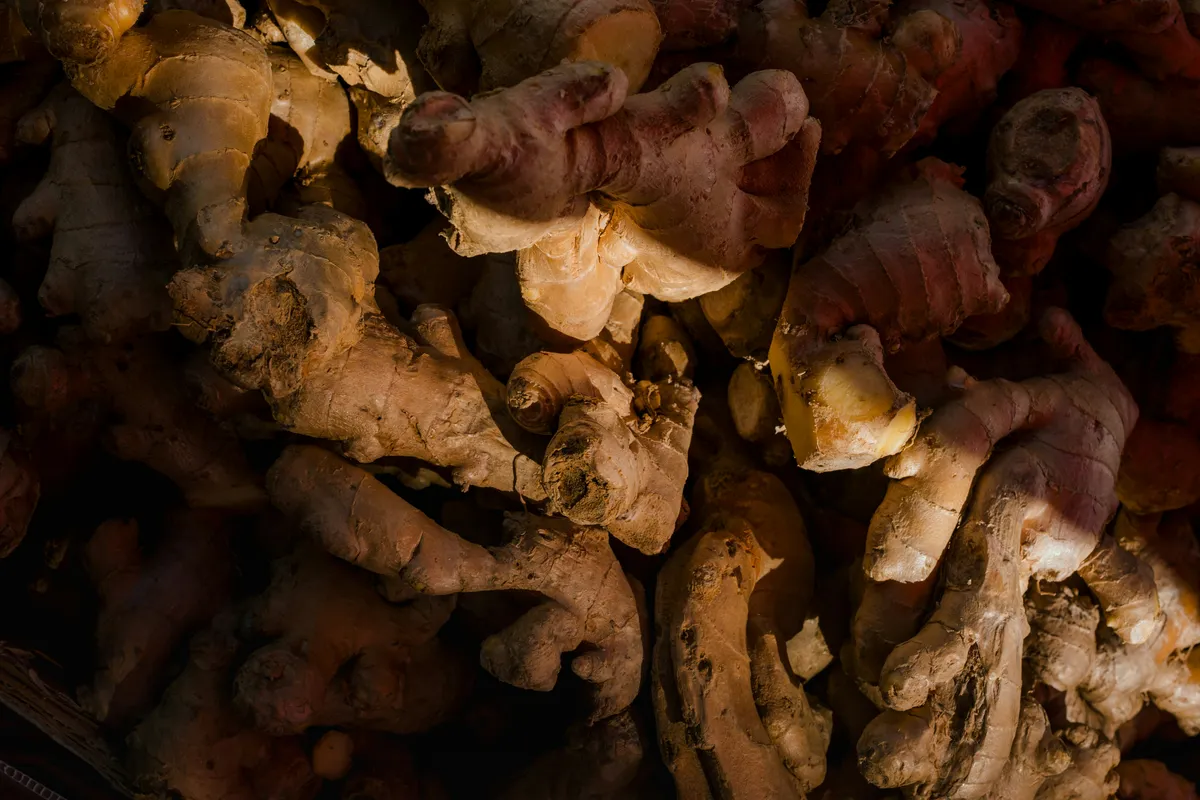
Edible ginger (Zingiber officinale) grows from a rhizome, a horizontal underground stem rather than a true root. It is a tropical crop with a long season, so growing it indoors is possible but not instant. Warmth, sufficient light, root-zone air, steady moisture, and time all affect the result. A leafy plant does not guarantee a large harvest, especially in a cool or dim home.
The best starting material is a certified disease-free seed rhizome from a nursery or seed supplier. Grocery-store ginger can sprout, but it is an experiment rather than equivalent planting stock: it may have received a sprout inhibitor, its cultivar and storage history are unknown, and it is not certified disease-free.
Decide what harvest is realistic
University of Illinois Extension describes mature ginger as an 8- to 10-month crop in tropical production and notes that immature “baby” ginger can be harvested earlier. Penn State Extension similarly treats edible ginger as a long-season crop and explains that a shorter season reduces rhizome size and yield.
Those figures describe crop development, not a promise for a windowsill. Indoors, the plant may pause in weak winter light or cool conditions. Choose the goal accordingly:
- Baby ginger: an earlier, tender harvest with little developed skin and less fiber, but lower weight.
- Mature ginger: a later harvest after a long period of active growth; it needs more time, light, and container space.
- Overwintered plant: a rhizome kept through dormancy for growth to resume later, with no guarantee that indoor conditions will maintain foliage year-round.
If the home cannot provide a warm, bright location for many months, treat the project as an edible experiment and expect a modest harvest.
Choose planting stock carefully
Buy firm, plump rhizomes with visible buds or “eyes.” Reject pieces with mold, sour odor, wet breakdown, deep shriveling, or large damaged areas. For the lowest avoidable disease risk, use stock explicitly sold for planting and certified disease-free. Illinois Extension makes this distinction directly: grocery rhizomes are not certified disease-free and may be treated to inhibit sprouting.
If grocery ginger is the only option, keep it separate from other ginger-family plants during sprouting, use fresh medium, and discard any piece that rots. “Organic” on a food label does not certify a rhizome as pathogen-free planting stock. Soaking it cannot establish disease-free status or reliably reverse an unknown commercial treatment.
Confirm the identification as culinary Zingiber officinale. “Ginger” is used in common names for multiple ornamental plants, and not every ornamental ginger rhizome is intended for food. A nursery label should give the botanical name and intended use.
Pre-sprout for a visible start
Pre-sprouting lets the grower assess which pieces are viable before each occupies a large pot. It is useful where the indoor growing season must begin before outdoor warmth, and it also works for an indoor-only crop.
The University of Illinois 2025 pre-sprout protocol uses seed pieces of roughly 1 to 3 ounces with one or two growing points, cures fresh cuts for at least 48 hours, and starts them in moist coconut coir under controlled warmth. At home, warmth and moisture may be less consistent, so check the pieces regularly as they establish.
- Leave a small rhizome whole if it already fits the final pot. If dividing a large piece, use a clean knife and retain at least one sound bud on every section.
- Place cut pieces in a clean, well-ventilated area until the cut faces are dry and sealed, at least 48 hours under the Illinois protocol.
- Set the pieces in a shallow draining tray of fresh, moist coir or sterile soilless medium. Space them so new roots will not interlock.
- Keep the medium warm and moist but not saturated. A thermostatically controlled seedling heat mat can help in a cool room; follow its instructions and never substitute an uncontrolled heat source.
- Vent any humidity cover and let the medium surface begin to dry between light wettings. Remove a piece immediately if it softens or smells rotten.
Do not rely on a fixed sprouting date. Temperature, dormancy, stock condition, and treatment history can make one piece emerge well before another. Plant when roots and an active shoot are evident and can be moved without being broken.
Use a wide, draining container
Ginger rhizomes expand horizontally and later push upward, so width and room for additional medium matter. Illinois Extension recommends at least a 15-inch-diameter container for a home plant that may move outdoors. Penn State’s home ginger guidance likewise emphasizes width over depth and recommends a large container for a crop expected to size up.
Start with a container that has drainage holes and enough volume to buffer quick moisture changes. A fabric grow bag, nursery pot, or other food-garden container can work if it drains and is structurally sound. Do not add a drainage layer as a substitute for holes.
Use fresh, clean potting mix intended for container vegetables. It should retain moisture while still draining freely. Garden soil alone can compact in a pot. If the mix contains starter fertilizer, account for it before adding more.
Set the sprouted rhizome horizontally with buds upward and barely cover it. Leave headspace so more mix can be added as rhizomes rise. Water once to settle the mix and empty any saucer after drainage stops. Burying deeply or leaving the pot in standing water increases the chance of decay.
Provide warmth and enough light
Edible ginger is adapted to warm conditions and can grow in partial shade. University of Florida IFAS Extension describes edible gingers as partial-shade plants that need good-quality soil and can be propagated from harvested rhizome sections. “Shade-tolerant,” however, does not mean a windowless room can support an edible crop.
Choose the brightest warm indoor position available, then watch the plant rather than relying only on the window’s compass direction. Very long, weak, pale shoots suggest inadequate light. Scorched patches or persistent midday wilting while the medium remains moist suggest that heat or direct sun is excessive. If moving a plant outdoors for warm weather, acclimate it gradually and bring it back before cold conditions; abrupt changes in light can damage foliage.
Avoid cold glass, air-conditioner drafts, and radiator heat. A warm air temperature does not compensate for a cold, saturated root zone. If using a grow light, follow the manufacturer’s plant-light distance and electrical-safety instructions and give the plant a daily dark period.
Water and feed by conditions
During active growth, keep the mix evenly moist but never waterlogged. Check several inches into the pot because a dry surface can cover wet mix. Water when the upper root zone is beginning to dry, apply enough to moisten the mix evenly, and allow complete drainage. Reduce watering when foliage yellows naturally and growth pauses; a dormant rhizome uses less water than a large leafy plant.
Container size, foliage, room temperature, light, airflow, and pot material all change water use, so “every few days” is not a transferable schedule. Brown tips can follow dryness, excess sun, salt accumulation, or root injury. Yellow leaves can reflect natural dormancy, nutrient shortage, excess moisture, or disease. Inspect the whole plant and root-zone conditions before choosing a correction.
For fertility, first read the potting-mix label. During sustained active growth, use a fertilizer labeled for edible container crops at its stated rate. More is not faster: excessive salts can injure roots. Stop routine feeding when growth stops, and do not diagnose every yellow leaf as fertilizer deficiency.
Harvest without guessing
Baby ginger can be sampled after the plant has developed a useful rhizome increase; mature ginger is generally harvested after a full long season, often as foliage declines. The calendar is secondary to what is actually in the pot.
For a full harvest, cut back dry foliage, tip the container onto a clean surface, and separate sound rhizomes from roots and medium. Do not eat soft, moldy, foul-smelling, or badly damaged tissue. Save planting pieces only if they are firm and healthy; home-saved stock is still not certified disease-free.
Freshly harvested ginger is raw produce. Soil and water can carry microorganisms, even in a home garden. The U.S. Food and Drug Administration advises washing hands for at least 20 seconds before and after produce preparation, rinsing all produce under running water, cutting away damaged areas, and drying with a clean towel. Do not wash ginger with soap, detergent, bleach, or commercial produce wash. Wash it before peeling or cutting so surface dirt is not transferred inward, and keep it separate from raw meat and contaminated utensils.
The edible result depends on the entire process: correctly identified planting stock, sound growth, a clean harvest surface, and safe kitchen handling. Growing the rhizome at home does not remove those food-safety steps.
Sources
- How to Grow Tropical Ginger for At-Home Spice (University of Illinois Extension). Accessed August 25, 2026.
- Fresh Ginger Rhizome Cultivation in Illinois: The Pre-Sprout Process (University of Illinois Extension). Accessed August 25, 2026.
- Ginger (2023 Herb of the Year) (Penn State Extension). Accessed August 25, 2026.
- Production and Marketing of Specialty or Novel Vegetables (Penn State Extension). Accessed August 25, 2026.
- Edible Ornamental Landscaping Guide for North-Central Florida (University of Florida IFAS Extension). Accessed August 25, 2026.
- Selecting and Serving Produce Safely (U.S. Food and Drug Administration). Accessed August 25, 2026.