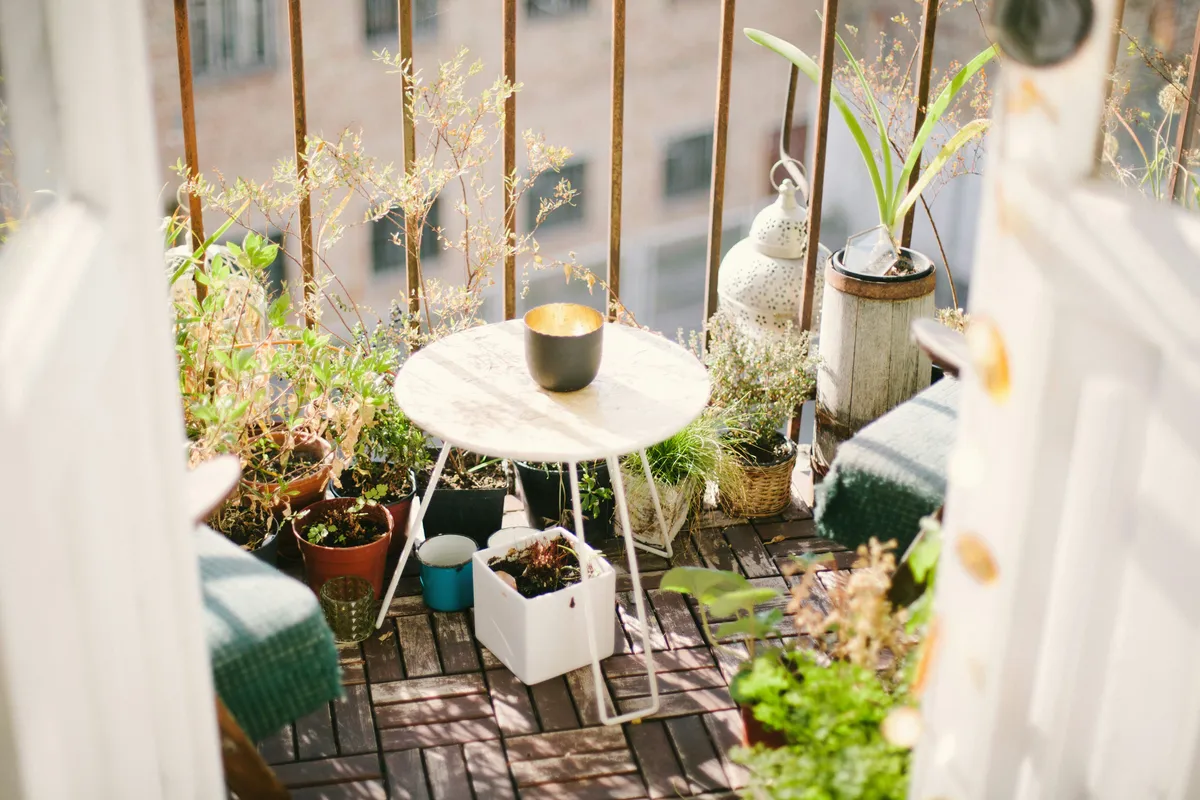
Moving a suitable houseplant outdoors can provide more light and a longer period of active growth, but the move is optional. Outdoor light, wind, temperature swings, rain, and pests are major environmental changes. A plant that is stable indoors may be better left there when the available outdoor site is exposed, the weather is unsuitable, or the species does not tolerate those conditions.
The safe approach is a shade-first transition guided by the plant and forecast, not a single move date. Iowa State University Extension and Outreach recommends waiting for reliably warm nights and gradually introducing brighter light. Its 50°F nighttime threshold is a useful broad starting point for many tropical houseplants, not a universal cold-tolerance guarantee.
Decide which plants should move
Identify each plant before making the decision. Check a species-specific university or botanical source for minimum temperature, light range, rain tolerance, toxicity, and outdoor restrictions. “Houseplant” describes where a plant is being grown, not one shared set of needs.
A reasonable candidate is healthy, rooted, free of an active pest problem, and growing in a container that drains. Delay the move for a plant that is wilting from an unresolved cause, has damaged roots, was just divided or heavily repotted, or needs stable conditions during recovery. Stacking several stresses makes the cause of later damage difficult to identify.
Some foliage plants can remain in filtered light all summer. Other species may tolerate or require more sun after acclimation. Even cacti and succulents grown indoors can scorch when moved abruptly into outdoor sun. Iowa State University Extension and Outreach recommends part sun when indoor succulents first move outside because intense light can damage leaves and stems.
Leaving a plant indoors is sensible when:
- no location is protected from intense afternoon sun or strong wind;
- sprinklers or roof runoff would keep the pot saturated;
- temperatures may fall below the species’ tolerance;
- wildlife, pets, or children could contact a hazardous plant;
- the area receives pesticide drift or contaminated runoff; or
- the pot is too heavy to move safely when severe weather arrives.
Audit the outdoor site before moving day
Observe the proposed location over a full day. A sheltered porch may change from shade to direct afternoon sun as the sun angle shifts. Reflected light and heat from glass, pale walls, pavement, or metal railings can make a nominally shaded site harsher than expected.
For many tropical foliage plants, filtered light in a protected position is the practical starting condition. Even outdoor shade can be substantially brighter than an indoor window, so exposure should be increased only after the plant remains stable.
Also check:
- Wind: choose a protected position and use a broad, stable pot or pot support.
- Drainage: remove indoor saucers and keep every outlet unobstructed.
- Rain: avoid downspouts, roof edges, automatic sprinklers, and low areas that flood.
- Access: keep plants close enough for frequent inspection and emergency moves.
- Surface safety: protect wood, prevent trip hazards, and secure hanging plants and stands.
- Weather response: identify an indoor or sheltered fallback before a storm or cold night.
Lift large pots with appropriate help or a plant dolly. Do not carry a heavy wet container by its rim, and do not place an unstable pot above a walkway or occupied area.
Choose timing from species and weather
The average last-frost date is not enough. Review the current forecast and wait until nighttime temperatures remain within the identified plant’s range. University of Minnesota Extension’s spring-care guide uses consistently warmer-than-50°F nights as general guidance for tropical houseplants and recommends a shady, sheltered start.
Regional calendar advice cannot account for elevation, an unusually cold week, or a warm-climate plant with greater sensitivity. Bring plants back under protection whenever a forecast approaches their lower limit. A warm afternoon does not cancel the risk from a cold night.
Water needs may also change immediately. Check the root zone before the move and water according to the species, but avoid moving a dripping, waterlogged pot. Inspect leaf undersides, stems, crowns, and drainage holes. Starting with a documented baseline makes later scorch, wilt, or pest signs easier to interpret.
Acclimate in stages rather than by a rigid calendar
Begin in full shade or very bright filtered light, protected from strong wind and hard rain. Leave the plant there for a limited period on the first outings if nights are not yet reliably suitable, then return it indoors. Once conditions are stable, it can remain in the protected location while being checked daily.
Over roughly one to two weeks, increase exposure in small steps only if the plant remains stable. University of Georgia Cooperative Extension describes the large differences between indoor and outdoor light, humidity, temperature, and wind and recommends a gradual adjustment before the final summer position.
Do not interpret “one to two weeks” as a guarantee. Pause or reverse the transition when leaves bleach, develop crisp pale patches, curl, or wilt despite an appropriately moist root zone. New direct-light exposure should usually come from early morning or dappled light first. Many understory plants need no progression to open sun at all.
Species with higher light requirements still need acclimation. Increase exposure by duration and intensity rather than changing both abruptly. Newly expanded indoor leaves may remain more vulnerable than foliage produced after the move. Sun-scorched tissue does not turn green again; move the plant back to lower light and judge recovery from undamaged growth.
Relearn watering outdoors
Do not carry the indoor watering interval outside. Wind, heat, plant growth, pot material, root volume, rainfall, and light all change water use. Check the medium itself and water thoroughly when the species’ root zone reaches its appropriate dryness. A small pot may dry quickly in wind, while a large shaded pot can remain wet after rain.
University of Illinois Extension recommends unobstructed drainage, removing saucers that collect rain, and adjusting frequency to environmental conditions. After a storm, inspect the pot rather than assuming rain either watered it adequately or made it too wet. Dense foliage can shed rain away from the medium, while a cachepot can silently fill with water.
Signs that call for investigation include:
- wilt with dry medium, which may indicate inadequate water;
- wilt with saturated medium, which may indicate oxygen-starved or damaged roots;
- bleached or tan patches on exposed leaf surfaces, consistent with light injury;
- repeated tipping or torn leaves, showing that the site is too windy;
- blackened or water-soaked tissue after a cold night; and
- sudden holes, stippling, webbing, scale-like bumps, or sticky residue from pests.
Change one major factor at a time when conditions are not urgent. Moving the plant, repotting it, fertilizing it, and applying a pesticide together obscures the cause and can compound injury.
Fertilize and manage pests from evidence
Outdoor placement does not automatically require fertilizer. First confirm active healthy growth, sufficient light, the fertilizer already present in the medium, and the species’ needs. Follow the product label rather than a universal half-strength or every-two-weeks rule. The houseplant fertilizer guide explains how to separate nutrient supply from light, root, and watering problems.
Inspect plants regularly, including leaf undersides and stem junctions. Outdoor predators and rain may affect some pests, but outdoor placement neither sterilizes a plant nor prevents infestation. Use a water rinse when appropriate for the species and pest. If a pesticide becomes necessary, identify the pest first and use only a product labeled for that pest, plant, and application site. Protect pollinators, people, pets, and waterways, and never assume an indoor-use label also permits outdoor application.
Remove dead leaves and debris from pots. Keep toxic plants beyond the reach of children and animals, and check whether an ornamental is invasive where it could escape through seed, plantlets, or discarded medium.
Plan the move back indoors
Before temperatures fall in late summer or autumn, plan the reverse move early: reduce the light change gradually, inspect for pests, clean pots, and isolate returning plants from the indoor collection. The same evidence-first principles in the new-plant acclimation guide apply to monitoring after a major environment change.
Do not wait for frost or apply preventive pesticides without a confirmed target. A plant may still shed leaves as it adjusts to lower indoor light, and its watering demand will usually change again. The goal of the summer move is not guaranteed growth; it is a controlled opportunity to give a suitable plant appropriate outdoor conditions without exposing it to an abrupt, avoidable shock.
Sources
- Moving Indoor Plants Outside for the Summer (Iowa State University Extension and Outreach). Accessed August 25, 2026.
- Growing Succulents Indoors (Iowa State University Extension and Outreach). Accessed August 25, 2026.
- Spring houseplant care (University of Minnesota Extension). Accessed August 25, 2026.
- Take your houseplants on a summer vacation…to the patio! (University of Illinois Extension). Accessed August 25, 2026.
- Acclimate House Plants to the Outdoors (University of Georgia Cooperative Extension). Accessed August 25, 2026.