Ingredients
Fish Sauce: Season Dinner Without Oversalting It
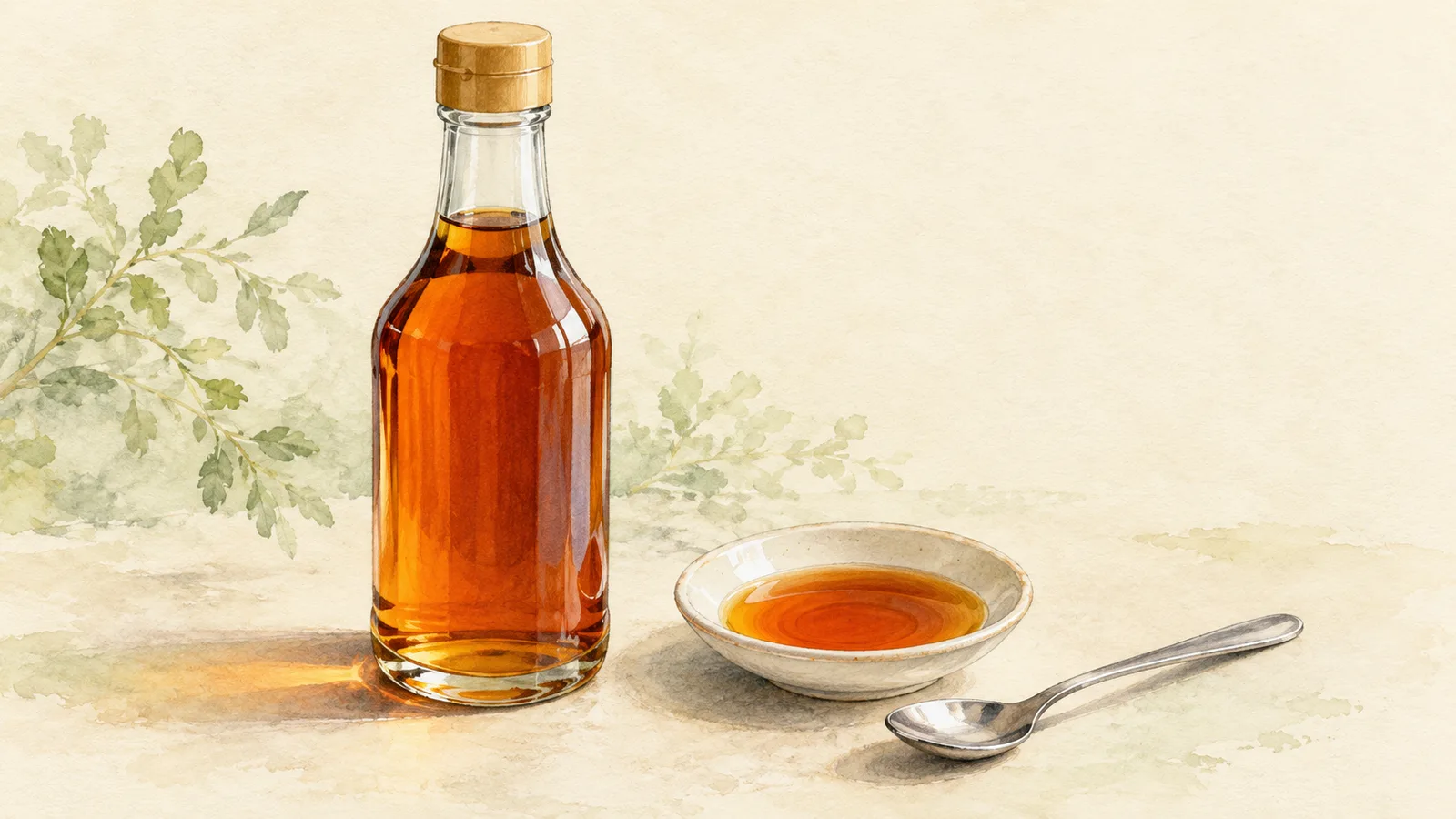
The first whiff from a bottle of fish sauce can be startling. In dinner, that strong fermented aroma has a different job: it brings salt and savory depth to broth, vegetables and braises. Measure it before pouring, and judge the food after the seasoning has mixed through.
Fish sauce is a thin liquid made by fermenting fish with salt. You may see nước mắm on Vietnamese bottles, nam pla on Thai ones or patis on Filipino labels. These names help you find the right shelf; they do not promise identical flavor or salt content.
Start with the recipe and one bottle
If a recipe specifies a particular style, use that as your starting point. For everyday cooking, one bottle you understand is more useful than several whose strength you are still guessing. Choose a size you can finish within the manufacturer’s opened-bottle guidance.
Read the ingredients before comparing the front labels. Some sauces contain only fish and salt; others include sugar or additional flavoring ingredients. A shorter list is not a guarantee that you will prefer the taste. Andrea Nguyen’s buying guide explains why sweetness and sodium vary between bottles and can change how much you use.
Then compare the sodium per equal serving size. A teaspoon and a tablespoon are different quantities, so the largest printed number is not necessarily the saltiest sauce. The FDA’s sodium guidance explains how serving size affects the amount you consume. Do not assume a more expensive bottle lets you ignore its sodium panel.
Add it where it can mix through
Follow the recipe’s measured amount and timing first. Pailin Chongchitnant’s fish-sauce guide treats saltiness as its main seasoning role, with umami alongside it. That matters when the pot also contains salty stock, soy sauce or another condiment.
For an optional final adjustment, pour a little into a spoon instead of tipping the bottle over the pot. Stir it through, let a small sample cool enough to taste, and decide whether the dish needs more. Taste the sauce with the food it will coat, too: a concentrated spoonful and a bite of vegetables or rice are different experiences.
Try that approach with ginger fish-sauce chicken or sayote with pork. Use the amounts in those recipes, then make their final seasoning adjustments. Adding extra fish sauce at every stage can make the finished dish much saltier than intended, particularly when a braising liquid reduces.
Fish sauce is also used in table condiments and dipping sauces. The bottle itself is not a finished sweet-sour dip. When a recipe calls for fish sauce as one ingredient in a dressing, measure the bottled seasoning rather than substituting an already diluted dipping sauce. Conversely, do not pour undiluted fish sauce into a dish that calls for a prepared dip.
Check dietary needs before choosing a substitute
Ordinary fish sauce contains fish and is unsuitable for someone who needs to avoid it. Fish is one of the FDA’s major food allergens. Read the complete ingredient and allergen information; do not rely on the sauce’s name alone to rule out other ingredients.
For vegetarian cooking, choose a recipe written for a fish-free seasoning or a clearly labeled alternative. Soy sauce brings its own flavor and may contain wheat; it is not an automatic allergy-safe replacement. If you cannot establish whether a bottle meets a guest’s dietary needs, leave it out of their food and choose a suitable recipe instead.
Let the bottle set the storage rule
Close the cap tightly and follow the manufacturer’s storage directions. Refrigeration can help preserve quality after opening, but a universal shelf-life promise would be misleading. For example, Red Boat’s FAQ recommends refrigeration for freshness and gives an opened-bottle timeframe for its own sauce. That advice is not a use-by date for every formula on the shelf.
Mark the opening date somewhere you can read it. Keep the mouth clean, use clean utensils, and never return a spoon that has touched raw meat to the bottle. When you buy a replacement, check its label again before using your familiar quantity: the next dinner should be seasoned for the sauce you actually have.