Ingredients
Curry Leaves: Keep Their Aroma from Packet to Pan
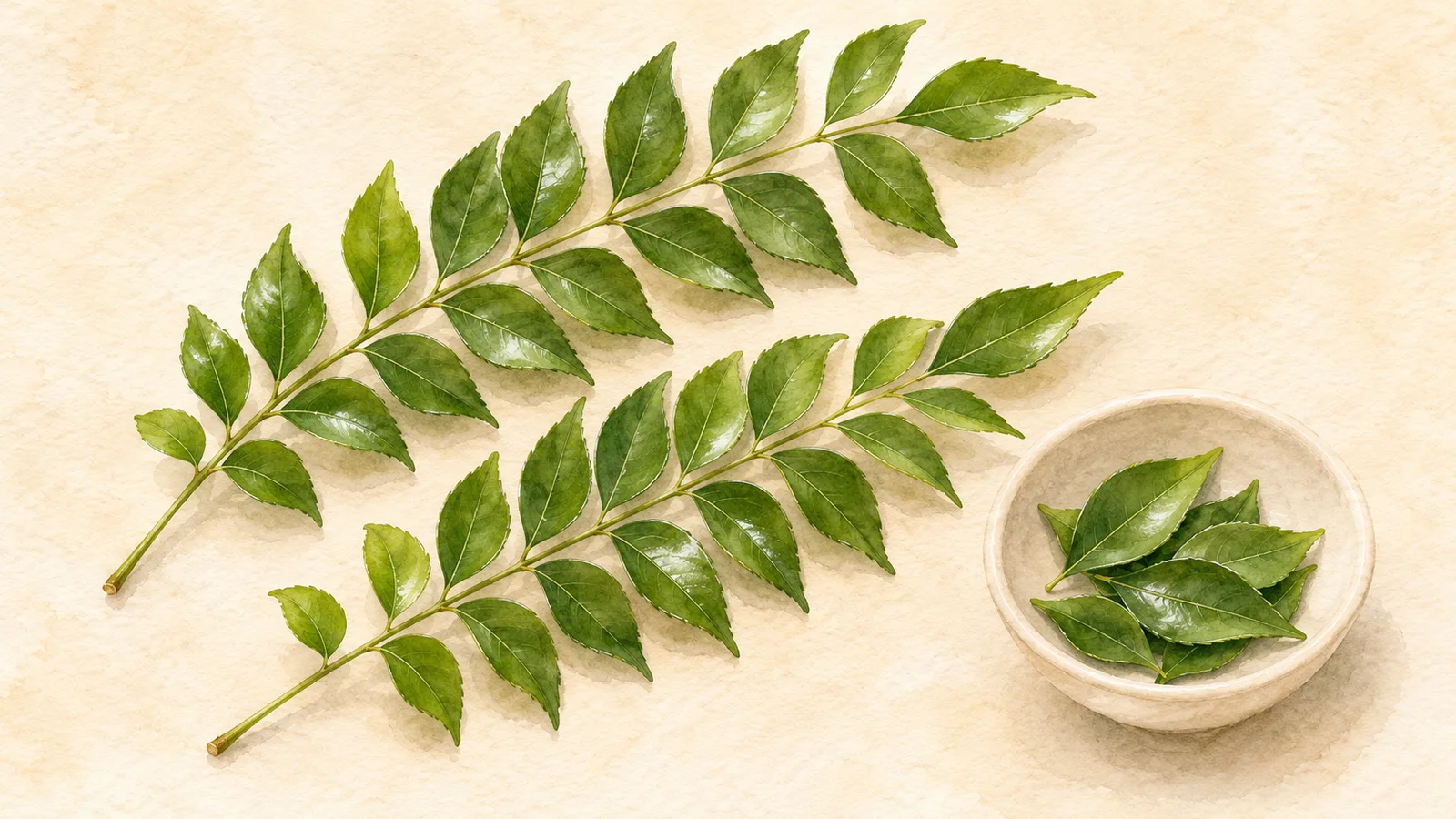
Curry leaves earn their place in a dish through fragrance. A few glossy green leaflets can bring a citrus-like note to vegetables, coconut sauces or a pan of seasoned oil. The packet may be small, but choosing the right form and looking after it makes a difference.
Buy the leaves, not a similarly named ingredient
The culinary tree is Bergera koenigii, also widely sold under its older name, Murraya koenigii. UC Master Gardeners of Santa Clara County describes its aromatic leaves as a staple of South Asian cooking. Look for food-grade curry leaves at a grocer, rather than choosing a nursery plant by scent alone.
Curry powder is a spice blend, not a powdered version of this leaf. Swapping one for the other changes the seasoning of the whole dish. Some blends include curry leaves, but that does not make the blend a substitute when a recipe calls for fresh leaves.
There is also an ornamental “curry plant,” Helichrysum italicum. Indiana University’s greenhouse guide distinguishes it from the culinary tree and does not recommend it for cooking. A familiar smell is not enough to identify an edible herb.
Fresh, frozen or dried?
Fresh leaves give you the aroma to look for when learning the ingredient. Choose a packet in good condition and avoid damaged or rotten leaves. Frozen curry leaves are useful when you cannot use a whole fresh packet promptly; UC’s guide recommends freezing leaves for later use.
Dried leaves are convenient, but their flavor is much weaker. If fresh leaves are central to the recipe, seek fresh or frozen ones rather than assuming a generous handful of dried leaves will recreate them. Follow a recipe written for the form you have when possible. There is no dependable universal fresh-to-dried ratio for every packet and dish.
Keep fresh curry leaves refrigerated at 40°F or below, following the FDA’s guidance for perishable herbs. Follow packaged frozen leaves’ storage instructions. If you have more fresh leaves than you will use soon, freeze them while they are still in good condition; freezing is not a rescue for spoiled produce.
Get them ready before heating the pan
Wash your hands, then rinse fresh leaves under running water. Do not use soap or detergent on them. Pick off the leaflets needed for the recipe and dry them thoroughly with a clean towel. Keep them away from raw-meat juices and the utensils used for raw meat.
That drying step matters especially when the leaves are going into hot fat: water can cause splattering. Prepare the leaves before you start heating the oil, keep your face and hands back, and stay at the stove when adding them. For frozen leaves, follow the package and recipe directions; do not tip loose ice or a wet clump into hot oil.
Iowa State’s herb guide notes that frying curry leaves in oil or butter enhances their flavor. This is one reason recipes often add them to hot fat with other seasonings. Use the recipe’s heat level, sequence and next step instead of leaving the leaves unattended while you chop something else.
Choose a dish that gives them room
Curry leaves appear in vegetable dishes, meat and seafood preparations, chutneys, relishes and coconut sauces. Start with a complete recipe that calls for them so the amount and cooking method belong together. They are an aromatic ingredient, not a general instruction to make any dinner taste like curry powder.
If a small packet becomes a regular purchase, our curry-leaf plant guide explains growing and harvesting the culinary tree. In the kitchen, the useful habit is simpler: take out what the recipe needs, return the rest to cold storage, and have the leaves ready before the pan is hot.