Ingredients
Rice Flour and Sweet Rice Flour Belong in Different Recipes
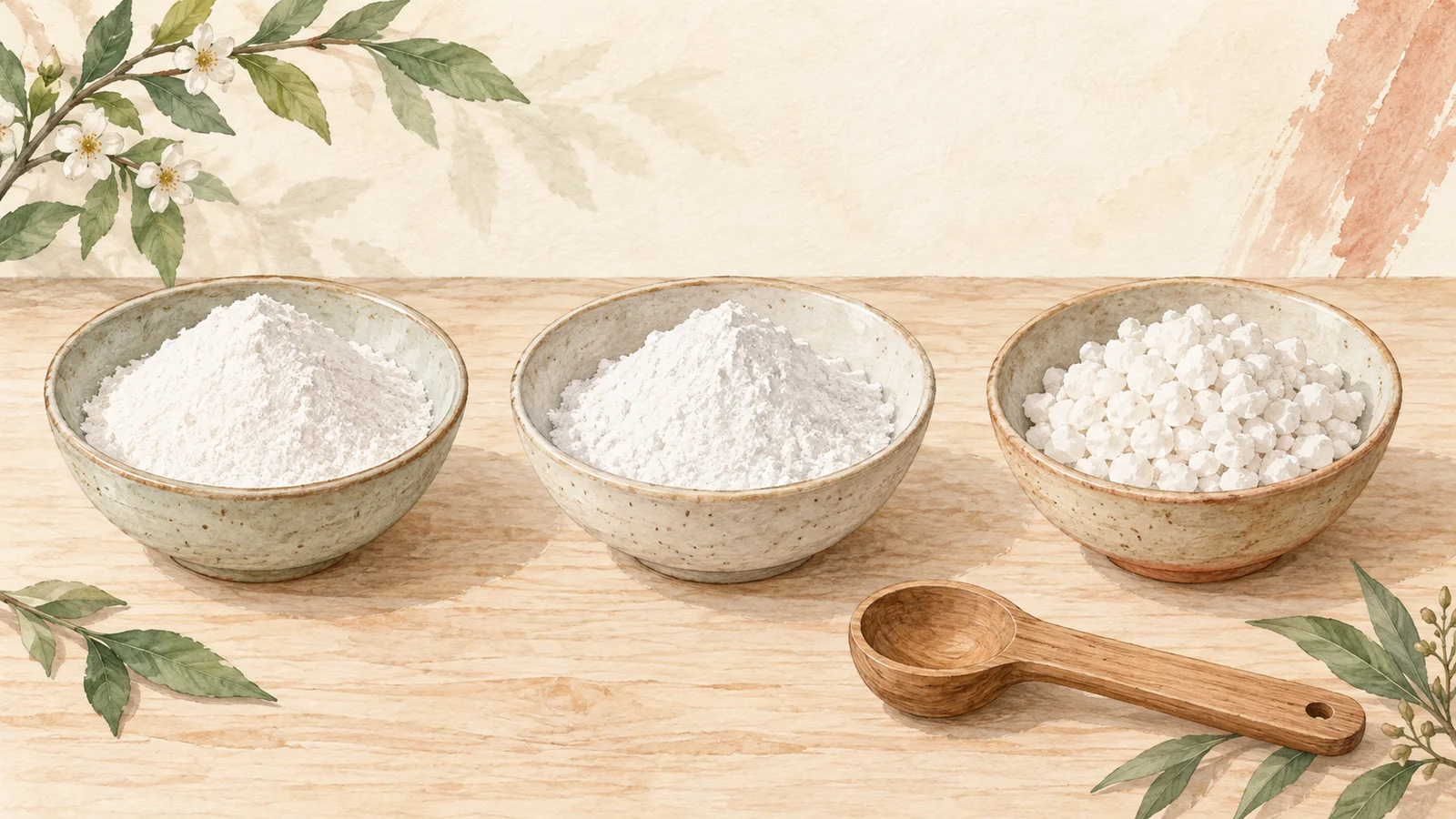
Two bags of white powder can lead to very different doughs. Rice flour and sweet rice flour may look alike, but the rice they start with changes the texture they bring to a dish. For a chewy dumpling or a delicate coating, buy the flour named in the recipe before deciding whether another bag is close enough.
Read past the words “rice flour”
Ordinary rice flour is made from non-glutinous rice. Sweet rice flour is made from glutinous rice, also called sticky rice. Here, glutinous describes stickiness; it does not mean the rice contains wheat gluten. And sweet is part of the rice’s name, not an instruction to omit sugar from a dessert.
Elizabeth Andoh’s guide to rice flours explains how different rice grains and processing methods produce different degrees of stickiness. A flour suited to binding a dough is not automatically the best flour for coating food before frying. The texture is part of the ingredient’s job.
Read the full label and ingredient list. A single rice flour, a mixture of rice flours and a prepared baking mix are three different purchases. If you need to avoid gluten, check the actual package’s gluten-free labeling and ingredients rather than relying on a recipe photograph or the word “rice.”
Four names on the Japanese flour shelf
Joshinko is flour made from ordinary Japanese short-grain rice. It belongs to the non-glutinous group. It is used in particular Japanese sweets, but it does not give the same stretchy texture as sweet rice flour. Namiko Hirasawa Chen’s joshinko guide identifies the rice and its uses.
Mochiko is made from sweet rice and is generally a fine powder. Shiratamako is also made from sweet rice, but it is processed differently and comes as chalky granules. Do not reject an intact bag of shiratamako because you expected smooth flour; that coarse appearance is normal. Chen’s shiratamako guide describes the difference and the effect on the finished dough.
Dangoko combines ordinary and glutinous rice flours. The mixture is intended for dango, but its name does not make it interchangeable with either component alone. Chen’s dango guide distinguishes a ready-made blend from recipes that specify separate flours.
These names describe ingredients, not a ranking from basic to best. A recipe that calls for joshinko has a reason to use it. Buying a stickier flour does not necessarily improve that dish.
Make substitutions before mixing
If a recipe specifies shiratamako and offers a mochiko variation, use that variation’s liquid amount and method. Do not transfer the original water quantity blindly. Likewise, do not replace all the flour in a two-flour dough with whichever bag is already open.
When the ingredient line says only “rice flour,” look for a fuller explanation in the recipe: the rice type, a Japanese name, the package description or an author note. If the intended flour remains unclear, choose a recipe that identifies it before spending the rest of the ingredients. A finished sweet’s name alone may not tell you which flour or mixture made it.
Use the recipe’s weight measurements when provided. Andoh cautions that coarse rice-flour granules occupy space differently from fine powder in a measuring cup. Grinding the granules before measuring by volume changes what goes into that cup. Weighing the requested amount avoids that particular uncertainty; it does not make different flours equivalent.
Keep the name with the flour
If you decant flour, copy its exact name onto the container and retain the package’s storage directions, date and lot information. “White flour” will be an unhelpful label the next time two similar containers sit side by side. Keep a clean, dry scoop with your dry ingredients and follow the package’s storage instructions.
Treat uncooked flour and dough as raw food. Do not taste them to identify the flour or check sweetness. The FDA’s flour guidance explains that milling does not reliably remove harmful bacteria and that cooking is necessary. Choose the right bag, measure it as the recipe directs, and carry the dough through its full cooking method before tasting.