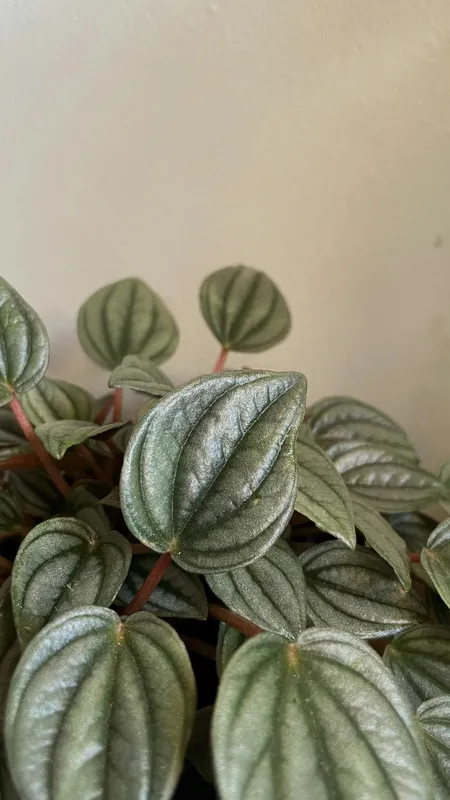
Watermelon Peperomia Care: The Plant That Looks Good Enough to Eat
The first time my daughter saw a watermelon peperomia, she tried to pick a leaf off and eat it. I cannot blame her. Peperomia argyreia has round, fleshy leaves painted with silvery-green stripes that genuinely look like miniature watermelons. It is one of those plants that stops people in their tracks at the nursery.
And here is the good news - it is not just a pretty face. Watermelon peperomia is compact, relatively low-maintenance, and perfect for apartments, desks, and shelves where space is limited. It does not grow into a jungle monster or demand a humidifier running 24/7. It just sits there looking ridiculously cute while asking for very little in return.
If you are new to houseplants or just want something that sparks joy without the drama, this one is for you.
Quick Care Summary
- Light: Bright, indirect light
- Water: When the top inch of soil is dry
- Soil: Well-draining, slightly chunky mix
- Humidity: Average household humidity is fine (40-50%)
- Temperature: 65 to 80 degrees F (18 to 27 degrees C)
- Toxicity: Non-toxic to pets and kids
- Biggest challenge: Overwatering
Light
Watermelon peperomia wants bright, indirect light. Think of its natural habitat - the forest floor in South America, where dappled sunlight filters through the canopy above. That is the vibe you are going for.
Best spots in your home:
- A few feet back from an east or west-facing window
- Near a north-facing window (especially in summer)
- Set back 3 to 4 feet from a south-facing window
Direct sunlight is a no-go. Those beautiful watermelon stripes will fade and the leaves can scorch. I learned this the hard way when I left mine on a south-facing windowsill during July. The silver markings washed out and a few leaves got crispy brown edges. It recovered once I moved it, but lesson learned.
On the flip side, too little light makes the plant leggy. You will notice the stems stretching toward the window and the leaves getting smaller and more spread out. If your watermelon peperomia starts looking like it is reaching for something, it needs more light.
A grow light works great for darker rooms. Even a basic desk lamp with a full-spectrum bulb a few inches away can make a difference.
Watering
This is where most people run into trouble. Watermelon peperomia stores water in its thick, fleshy leaves - so it can handle a little neglect better than overwatering.
The simple rule: Water when the top inch of soil feels dry. Stick your finger in. If it feels dry to the first knuckle, go ahead and water thoroughly until it drains out the bottom. Then let it dry again before the next watering.
In summer, this might mean watering once a week. In winter, it could stretch to every two or even three weeks. The exact schedule depends on your pot size, soil mix, light, and humidity - so always check the soil rather than following a rigid calendar.
Signs of overwatering:
- Leaves drooping even when the soil is moist
- Mushy, translucent stems near the base
- A funky smell from the soil (that is root rot starting)
- Yellowing leaves that feel soft
Signs of underwatering:
- Leaves drooping and curling inward
- Dry, crispy leaf edges
- Soil pulling away from the sides of the pot
One tip that helped me: bottom watering works really well for peperomias. Set the pot in a tray of water for 15 to 20 minutes and let the soil wick it up from below. This keeps moisture even throughout the root zone and avoids wetting the crown of the plant, which can cause stem rot.
Soil
Watermelon peperomia does not want to sit in heavy, soggy soil. Its roots are relatively fine and shallow, so they need air circulation around them.
A good mix:
- 2 parts regular potting soil
- 1 part perlite
- 1 part orchid bark or coco coir chunks
This gives you moisture retention without the sogginess. The perlite and bark create air pockets that keep the roots happy and reduce the risk of root rot.
If you want to keep it simple, a pre-made succulent or cactus mix works in a pinch. It is a bit fast-draining for some people’s taste, but it is safer than standard potting soil straight from the bag.
Pot choice matters too. A terracotta pot is ideal because it wicks away excess moisture. If you use a glazed ceramic or plastic pot, just be extra careful about overwatering. And always, always make sure there is a drainage hole. No exceptions.
Humidity and Temperature
Here is one of the best things about watermelon peperomia - it does not need tropical humidity levels to look good. Average household humidity around 40 to 50 percent is perfectly fine.
That said, if your air gets really dry in winter (hello, forced air heating), you might notice the leaf edges crisping up a bit. A pebble tray underneath the pot or grouping it with other plants can bump up the local humidity enough to help. You do not need a humidifier for this one unless your home drops below 30 percent.
Temperature-wise, keep it between 65 and 80 degrees Fahrenheit. Normal room temperature is great. The main thing to watch out for is cold drafts - avoid placing it near drafty windows in winter or directly in the path of an AC vent. Temperatures below 50 degrees F can cause serious damage, so do not leave it on an unheated porch or near an open window in January.
Fertilizing
Watermelon peperomia is not a heavy feeder. During the growing season (spring through early fall), feed it once a month with a balanced liquid fertilizer diluted to half strength.
In winter, skip the fertilizer entirely. The plant slows down and does not need the extra nutrients. Fertilizing a dormant plant is like giving coffee to someone who just wants to nap - it does more harm than good.
If you notice salt buildup (white crusty stuff on the soil surface), flush the soil with plain water a few times to wash it out. This can happen when fertilizer salts accumulate over time.
Propagation
Want more watermelon peperomias? Good news - they are surprisingly easy to propagate. There are two methods that work well.
Leaf cutting method (my favorite):
- Choose a healthy, mature leaf with a long petiole (the red-ish stem attached to the leaf)
- Cut the leaf in half horizontally through the widest part
- Let the cut dry for an hour or so
- Stick the cut edge about half an inch into moist potting mix, cut side down
- Cover with a plastic bag or clear container to maintain humidity
- Keep in bright, indirect light and keep the soil barely moist
In about 3 to 6 weeks, you should see tiny roots forming. After another month or two, baby leaves will start emerging from the base of the cutting. It is genuinely magical to watch a half-leaf produce a whole new plant.
Stem cutting method:
- Cut a stem with at least two leaves
- Remove the bottom leaf
- Place in water or moist soil
- Roots should appear in 2 to 4 weeks
The leaf cutting method is slower but gives you more plants from a single mother plant. The stem cutting method is faster but requires sacrificing more of the original plant.
Fair warning - propagation success is not 100 percent. I usually start with 3 to 4 cuttings knowing that one or two might not make it. That way I end up with at least a couple of new plants to share (or hoard - no judgment).
Common Problems and How to Fix Them
Drooping leaves: This is almost always a watering issue. Check the soil. If it is bone dry, give it a good drink. If it is soggy, you have been overwatering - let it dry out and check the roots for rot.
Curling leaves: Leaves curling inward usually means the plant is dehydrated from too much light or not enough water. Leaves curling outward can mean too little light or overwatering. Look at the whole picture to figure out which one.
Fading stripes: The silver watermelon markings need good light to stay vibrant. If the pattern is fading, move the plant to a brighter spot (but still indirect).
Leggy growth: Not enough light. The stems stretch toward whatever light source they can find. Move it closer to a window or add a grow light.
Brown leaf tips: Usually low humidity, especially in winter. Try a pebble tray or mist occasionally (though misting is controversial - some folks love it, some say it does nothing, and some worry about fungal issues. I just use a pebble tray and call it a day).
Pests: Mealybugs and spider mites are the main culprits. Check under the leaves regularly. If you spot tiny white cotton-like clusters (mealybugs) or fine webbing (spider mites), wipe the leaves with a cotton swab dipped in rubbing alcohol or spray with neem oil diluted per the label instructions.
Why This Plant is Perfect for Families
Watermelon peperomia checks a lot of boxes for busy plant parents. It is non-toxic to cats, dogs, and curious toddlers (though I still would not let anyone eat the leaves, no matter how watermelon-like they look). It stays compact - usually maxing out around 8 to 12 inches tall - so it fits on a shelf, a desk, or a nightstand without taking over.
It is also a great plant for teaching kids about plant care. The watering routine is simple and forgiving, and the leaves are sturdy enough to handle a little enthusiastic touching. My daughter now checks “her watermelon plant” every morning before school, and honestly, watching a kid develop that kind of gentle attention is worth more than any Instagram-worthy shelfie.
Final Thoughts
Watermelon peperomia is one of those plants that gives you a lot of beauty for very little effort. Keep it in bright indirect light, do not overwater it, and give it well-draining soil. That is really it.
If you already have a general peperomia and loved it, the watermelon variety is a natural next step. And if you are just starting your plant collection, this is one of the most rewarding beginner plants you can pick up.
Now if you will excuse me, I need to go check on my propagation tray. I have six leaf cuttings in there and I am pretty sure at least two of them are starting to sprout.