How to Keep Your Houseplants Alive While You Are on Vacation
The first time our family went on a real vacation after I started collecting plants, I almost did not go. I am serious. We had a week-long trip to visit my wife’s parents in California, and all I could think about was my calathea drying out, my ferns crisping up, and my pothos giving me the silent treatment when I got home.
My wife caught me googling “plant sitter near me” at midnight and told me I needed to get a grip. She was right. But I also needed a plan.
Since then, we have taken plenty of trips - from long weekends to two-week stretches - and I have tried just about every method for keeping plants alive while away. Some worked great. Some were disasters. Here is everything I have learned so you can actually enjoy your vacation without worrying about your collection back home.
Before You Leave: The Pre-Trip Checklist
The most important thing you can do happens before you walk out the door. A little prep work goes a long way toward keeping your plants happy while you are gone.
Water everything thoroughly. Give every plant a deep, thorough watering the day before you leave. For most tropical houseplants, a good soaking can carry them through a week without any issues at all. Bottom water if you can - it saturates the soil more evenly and gives you a better baseline.
Move plants away from direct sun. This one surprised me at first, but it makes total sense. Plants in bright, direct light use more water through transpiration. Scoot them back a few feet from south- or west-facing windows, or pull the sheer curtains closed. They can handle slightly lower light for a week or two. They cannot handle bone-dry soil.
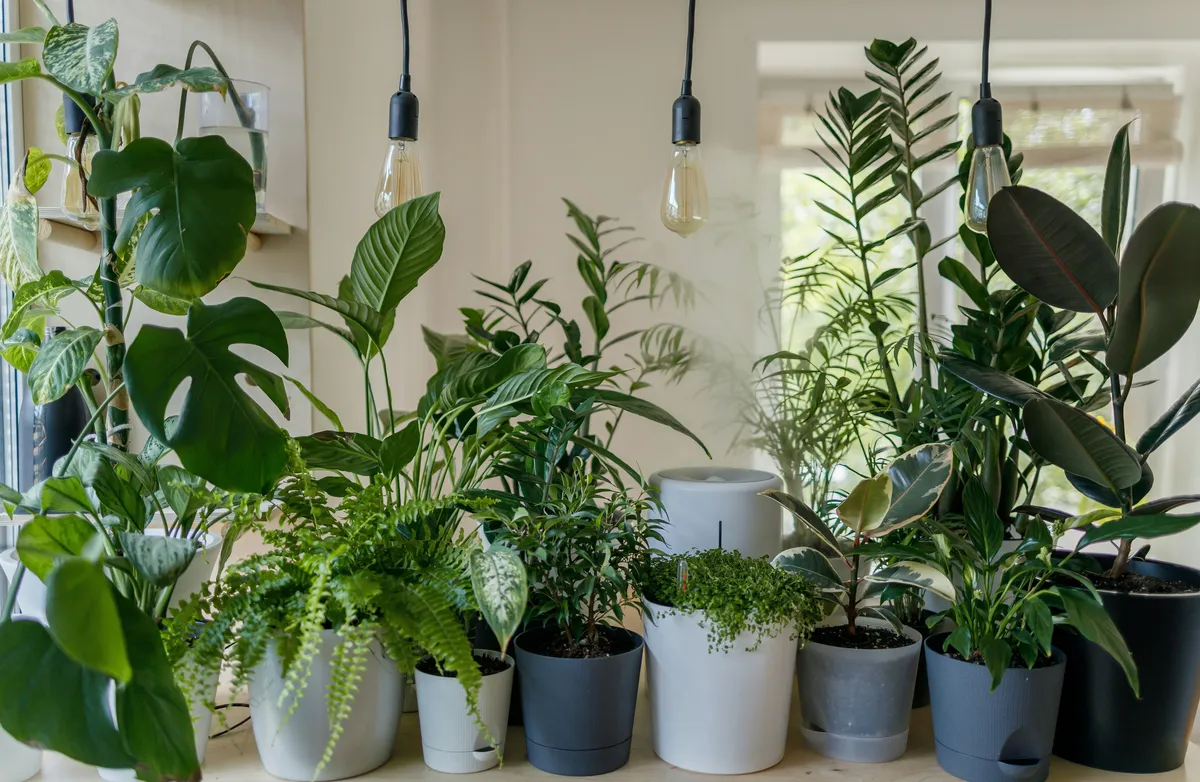
Group your plants together. When plants are clustered, they create a little microclimate of shared humidity. Think of it like a plant support group - they literally help each other out. I push all my tropicals together on the dining table before we leave, and the humidity boost makes a noticeable difference.
Skip the fertilizer. Do not fertilize right before a trip. Fertilizer stimulates growth, and growth requires water. You want your plants in low-key maintenance mode while you are away, not putting out new leaves that need extra hydration.
Remove any dying leaves or spent flowers. These attract pests and mold. Give each plant a quick once-over and clean up anything that is on its way out. You do not want to come home to a fungus gnat situation that started with one rotting leaf.
The Weekend Trip (2-4 Days)
Good news: for a short trip, you probably do not need to do anything special. If you watered your plants thoroughly before leaving, the vast majority of common houseplants will be perfectly fine for a long weekend.
Plants like pothos, snake plants, ZZ plants, rubber plants, and most succulents can go a week or more between waterings under normal conditions. Even thirstier plants like calatheas and ferns should make it through four days without drama if they were well-watered to start.
The main thing is to just not forget to water before you leave. I know that sounds obvious, but when you are running around packing bags and making sure the kids have enough socks, it is easy to overlook. I put “water plants” on the same checklist as “lock back door” and “turn off stove.”
The Week-Long Trip (5-9 Days)
This is where a little strategy helps. Most plants will start to struggle after a week without water, especially in warm, dry apartments.
The Bathtub Method
This is my go-to for week-long trips and it could not be simpler. Lay an old towel in your bathtub, set your pots on top of it (make sure they have drainage holes), and add about an inch of water to the tub. The towel wicks moisture up into the pots gradually. Leave the bathroom light on or keep the door open so the plants get some ambient light.
I have used this method probably a dozen times now and it works incredibly well for most tropical houseplants. Ferns, calatheas, pothos, philodendrons - they all do great. Just do not use it for succulents or plants that need to dry out between waterings.
Pro tip from a fellow plant dad: Run a test a few weeks before your trip. Set up a couple plants in the tub for a weekend and see how they look when you check on them. It takes the anxiety right out of the actual vacation.
DIY Water Wicking
For plants that are too big to move to the bathtub or that you want to keep in their spot, a simple wicking system works great.
Here is what you need: a large container of water (a bucket, a vase, a big bowl) and some cotton rope or thick cotton string. Cut a piece of rope long enough to reach from the bottom of your water container to the soil surface. Bury one end a couple inches into the soil and drop the other end to the bottom of the water container.
Capillary action draws water along the rope and into the soil, keeping it consistently moist. One container can feed multiple plants if you run separate wicks to each pot. I once rigged up a five-gallon bucket with six wicks running to different plants on my shelf and came home to find everything looking perfect.
What rope to use: Natural cotton rope or cotton clothesline works best. Synthetic rope does not wick as well. You can find cotton rope at any hardware store for a couple bucks.
The Plastic Bottle Drip System
This is the most old-school method in the book, and my dad swears by it. Take a plastic water bottle, poke a small hole in the cap (use a thumbtack or a small nail), fill the bottle with water, and push it neck-down into the soil.
The water drips out slowly through the tiny hole, keeping the soil moist over several days. The speed depends on the hole size - smaller hole means slower drip. For a standard 16-ounce bottle, one small pinhole should last about five to seven days.
I will be honest: this method is a little finicky. The drip rate can vary depending on how tightly you packed the soil around the neck, and sometimes the bottle tips over if the soil is loose. But it is free, it uses stuff you already have, and it works well enough for a week.
The Two-Week Trip (10-14 Days)
Two weeks is where things get serious. Most DIY methods run out of steam around the ten-day mark, and you need either a more robust system or a human backup.
Self-Watering Planters
If you travel regularly, investing in self-watering planters is honestly the best long-term solution. These pots have a built-in reservoir at the bottom that the plant draws from through a wicking mechanism. Fill the reservoir before you leave, and most plants will be fine for two to three weeks.
I have gradually moved about a third of my collection into self-watering pots, and it has been a game changer - not just for vacations, but for everyday care. They are especially great for consistently thirsty plants like peace lilies and ferns that punish you for forgetting a single watering.
The upfront cost is higher than a regular pot, but you can find decent ones for ten to fifteen dollars each. I think of it as paying for peace of mind.
Water Gel Crystals
These polymer crystals (sometimes sold as “water beads” or “hydrogel”) absorb many times their weight in water and slowly release it into the soil as it dries out. You hydrate the crystals, mix them into the top few inches of soil, and they act as a slow-release water source.
I use these as a supplement to other methods, not as a standalone solution. They add maybe three to five extra days of moisture depending on conditions. Mix them into the soil a week before your trip so they have time to integrate - do not just dump them on top right before you leave.
Ask a Friend (The Human Method)
For trips longer than ten days, I usually combine a DIY method with having someone check in on the plants once. You do not need a plant expert - you need someone who can follow simple instructions.
Here is what I do: I write out a one-page cheat sheet with a photo of each plant and simple instructions like “water this one” or “leave this one alone.” I group the plants that need water together and put them in one spot. I group the ones that should be left dry in another spot. Then I text my neighbor and say, “Can you stop by next Thursday and water the plants on the dining table? Ignore the ones on the shelf.”
Keep it simple. The more complicated your instructions, the more likely something goes wrong. My buddy once helpfully watered my succulents “because they looked thirsty” and I came home to three cases of root rot. Bless his heart.
Plants That Basically Take Care of Themselves
If you travel a lot, it is worth building your collection around plants that tolerate drought and neglect. These are the ones I never worry about, even on two-week trips:
Snake plants (Sansevieria) store water in their thick leaves and can go three to four weeks between waterings. They genuinely do not care if you leave.
ZZ plants have thick rhizomes underground that store water like little reservoirs. Two weeks without water is nothing for these.
Pothos and philodendrons are more forgiving than their tropical reputation suggests. They will droop when thirsty but bounce right back after a good drink.
Succulents and cacti are built for drought. Just make sure they are not sitting in wet soil when you leave and they will be fine for weeks.
Ponytail palms have that swollen trunk base specifically for storing water. They are made for absentee plant parents.
What NOT to Do
I have learned a few of these the hard way, so let me save you the trouble.
Do not overwater before you leave. I know the instinct is to drench everything, but soggy soil for days leads to root rot. Water thoroughly, but normally. Do not fill the saucer and leave it.
Do not seal plants in plastic bags. I have seen this tip floating around online. The idea is that the bag traps humidity and creates a mini greenhouse. In reality, it traps moisture against the leaves, blocks airflow, and creates a perfect environment for mold and rot. Skip it.
Do not leave the thermostat too high or too low. Extreme temperatures stress plants out when they are already dealing with less water than usual. Keep your home between 60 and 78 degrees Fahrenheit. If you normally turn the AC off when you leave, consider setting it to a moderate temperature instead.
Do not introduce a brand-new care method right before you leave. Test any DIY watering system at least two weeks before your trip. You want to know it works before you are 3,000 miles away wondering if that cotton wick is actually wicking.
Coming Home: The Recovery Check
When you get back, do a quick walkthrough before you unpack. Check the soil moisture on everything. Water anything that is dry. Look for any signs of pests (they love stressed plants). Move your plants back to their usual spots if you relocated them.
Some plants might look a little rough - droopy leaves, a few yellow lower leaves, maybe some crispy tips on the ferns. That is normal. Give them a good drink, put them back in their happy spots, and they will bounce back within a week.
I have come home to find a few casualties over the years, but honestly, the vast majority of my plants have survived every trip just fine. Plants are tougher than we give them credit for. They have been surviving without us for millions of years. They can handle a week without you fussing over them.
The Bottom Line
The best vacation plant care plan is one you actually test before you need it. Pick a method that matches your trip length, do a trial run, and then relax. Your plants will almost certainly be fine, and you deserve to enjoy your vacation without checking your Ring camera to see if the calathea is drooping.
Trust me - the plants will be there when you get back. And honestly? They might even look better after a little benign neglect. Some of my best growth spurts have happened right after a trip, like my plants were saving up their energy to show off when I walked through the door.
Now go book that vacation. Your plants will survive. Probably.