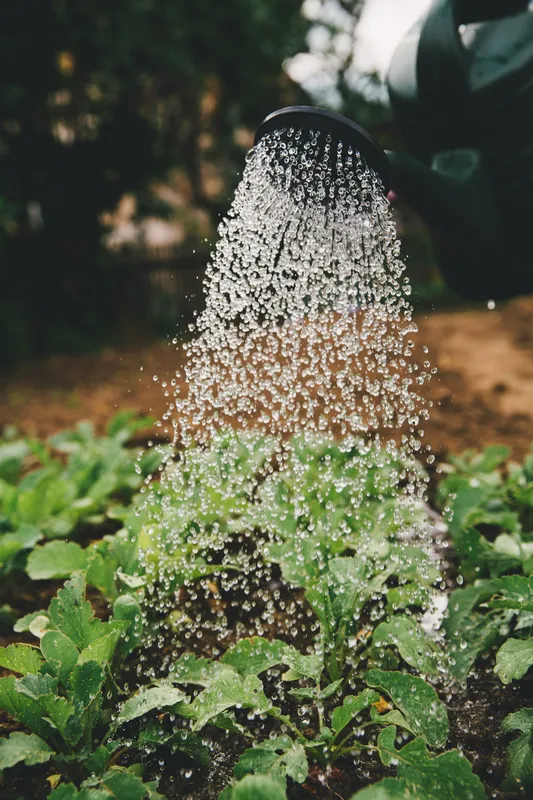
The Sunday Morning Watering Ritual: How Plants Taught Me to Slow Down
I used to think Sunday mornings were for sleeping in. Then I had kids, and sleeping in became a mythical concept - right up there with hot coffee and uninterrupted bathroom breaks. But somewhere between the chaos of early parenthood and the blur of weekday routines, I accidentally discovered something better than sleep: watering my plants.
I know, I know. Watering plants doesn’t exactly sound like a life-changing revelation. But hear me out.
How It Started
It began with a single pothos on our kitchen windowsill. My mom brought it over when my wife and I moved into our first apartment in Queens. “Every home needs a plant,” she said, setting it down next to the rice cooker like it was the most obvious thing in the world.
I barely noticed it for months. My wife watered it whenever she remembered, and it just… grew. Pothos are forgiving like that. But one Sunday morning, when our oldest was maybe eight months old, I found myself awake at 5:30 AM with absolutely nothing to do. The baby was, for once, still sleeping. The apartment was quiet in a way that felt almost suspicious.
I made coffee. I sat at the kitchen table. And I noticed the pothos was looking a little droopy. So I watered it.
That was it. That was the whole beginning.
The Collection Grows (Like They Always Do)
You know how it goes. One plant becomes three. Three becomes ten. Before you know it, you are rearranging furniture to catch the morning light from the east-facing window. My wife started calling the living room “the greenhouse,” which I chose to interpret as a compliment.
The thing is, each new plant added maybe thirty seconds to my Sunday routine. A quick check of the soil. A little water if it was dry. Move on. Even with twenty-something plants, the whole process takes maybe forty-five minutes. And those forty-five minutes became sacred.
Not sacred in a candles-and-meditation way. Sacred in a “nobody interrupt dad while he is checking on the calathea” way.
What Actually Happens on Watering Day
I should be clear: this is not some Instagram-perfect morning routine. There is no linen apron. I am usually in the same t-shirt I slept in, and there is a fifty percent chance one of my kids is following me around asking why the ZZ plant does not need as much water as the fern.
Here is what it actually looks like:
I start in the living room, where most of the tropicals live. I stick my finger in the soil of each pot - the old-fashioned moisture test my dad taught me. If it is dry an inch down, it gets water. If not, I move on. Simple.
Then I check for new growth. This is secretly my favorite part. There is something deeply satisfying about spotting a tiny unfurling leaf on a monstera or a new tendril reaching out from a string of hearts. It is like finding a surprise gift that nobody wrapped.
I rotate any plants that are leaning toward the light. I pick off yellow leaves. I check under the foliage for pests - learned that one the hard way after a spider mite invasion that I do not like to talk about.
The whole time, the house is waking up around me. I hear my kids start chattering in their room. The coffee maker beeps. But for this window of time, I am just here with the plants.
The Science Says I Am Not Making This Up
I was curious whether the calm I felt was real or just the placebo effect of having a hobby. Turns out, there is actual research behind it. Studies have found that interacting with houseplants can lower cortisol levels and activate your parasympathetic nervous system - the “rest and digest” mode that busy parents almost never access.
One study even found that watering plants for just fifteen minutes had measurable relaxation effects on participants. And research on gardening more broadly has shown benefits for symptoms of anxiety and depression. Something about engaging your senses - the smell of damp soil, the texture of leaves, the visual calm of green - helps your brain downshift in a way that scrolling your phone absolutely does not.
I am not going to pretend that watering my pothos is a replacement for therapy or exercise. But as a small daily act of care, it does something real.
What My Kids Have Learned
The unexpected bonus of all this is what my kids have picked up. My oldest, who is now in kindergarten, can identify about fifteen plants by name. He calls the snake plant “the sword plant” and the prayer plant “the one that goes to sleep,” which is both adorable and technically accurate.
My younger one, who is three, mostly wants to spray the mister. She has about a twenty percent accuracy rate in terms of actually hitting a plant, but her enthusiasm is unmatched.
They have both learned that plants need different things. The succulent on the shelf gets water maybe once every two weeks. The fern in the bathroom wants it more often. This has led to surprisingly deep conversations about how living things have different needs - conversations I never would have planned but am glad we are having.
My favorite moment was when my son asked if we could water his stuffed animals “so they grow bigger.” We cannot, buddy, but I love the logic.
Why Sunday Works
I have tried doing plant care on weekday mornings, and it just does not hit the same. On a Tuesday, checking plants feels like another item on a to-do list wedged between packing lunches and catching the subway. On Sunday, it feels like a choice.
There is no rush on Sunday. If I notice that my alocasia has a new leaf coming in, I can actually stop and look at it. If a plant needs repotting, I can set up on the kitchen floor with newspaper and potting mix and make a whole project of it. The kids usually “help,” which means I end up sweeping soil off the floor for twenty minutes afterward, but that is part of it.
Sunday watering has also become my early warning system. I notice problems during these weekly check-ins that I would miss if I was just glancing at plants on the way out the door. A yellowing leaf. Soil that is staying wet too long. The beginning of a mealybug situation. Catching these things early has saved more than a few plants.
A Connection to My Parents
Here is the part I did not expect. This ritual has made me understand my parents better.
My dad has always had a garden. Even when we lived in a small apartment in Flushing, he had containers on the fire escape growing tomatoes, bitter melon, and green onions. I used to think it was just a habit he brought from China - something he did because he had always done it.
Now I think he needed it. He was working long hours, navigating a new country, raising kids in a language that was not his first. Those early mornings in the garden were probably the only time things were quiet enough for him to hear himself think.
When I mentioned my Sunday watering routine to him, he just nodded. “Good,” he said. “Plants teach you patience.” Classic dad response - six words where a paragraph would do. But he was right.
My mom, too. That pothos she brought over was not just a housewarming gesture. In Chinese culture, giving someone a plant for their new home is wishing them growth and prosperity. She was passing along something she believed in.
I have started doing the same thing now. When friends have babies or move into a new place, I bring a pothos cutting. “Every home needs a plant,” I say, and I mean it more than they probably realize.
Starting Your Own Ritual
If any of this resonates with you, starting a plant care ritual does not require a huge collection or a lot of knowledge. Here is what I would suggest:
Start with one or two low-maintenance plants. A pothos, a snake plant, or a ZZ plant are all great picks because they will not punish you for missing a week. Pick a consistent day and time. It does not have to be Sunday. It just helps to have a predictable rhythm so it becomes a habit rather than a chore.
Resist the urge to multitask. The whole point is to be present for a few minutes. Put your phone down. Touch the soil. Look at the leaves. Let yourself notice things.
If you have kids, let them join in when they want to - but do not force it. The magic of this ritual is that it is yours. Some mornings my kids are right there with me, spraying the mister and asking questions. Other mornings they are still asleep, and that is fine too.
And if a plant dies, do not take it personally. I have killed more plants than I can count. It is part of the process. You learn what went wrong, you try again, and you move on. Kind of like parenting, come to think of it.
The Quiet in Between
The other day, my son asked me why I like plants so much. I thought about it for a minute and told him the truth: “They make the house feel alive.”
But what I really meant is that they make me feel alive - present, attentive, connected to something growing. In a life that moves fast, with kids who grow faster, these quiet Sunday mornings with a watering can are the closest thing I have to hitting the pause button.
My dad was right. Plants teach you patience. They also teach you to pay attention, to show up consistently, and to find joy in slow, small changes.
Not a bad lesson for a Sunday morning.