Rex Begonia Care: Growing the Most Dramatic Leaves in Your Collection
I will be honest with you. The first rex begonia I brought home lasted about six weeks before it turned into a crispy, sad little stub in a pot. I set it on a sunny windowsill, watered it like I water my pothos, and assumed everything would be fine. It was not fine.
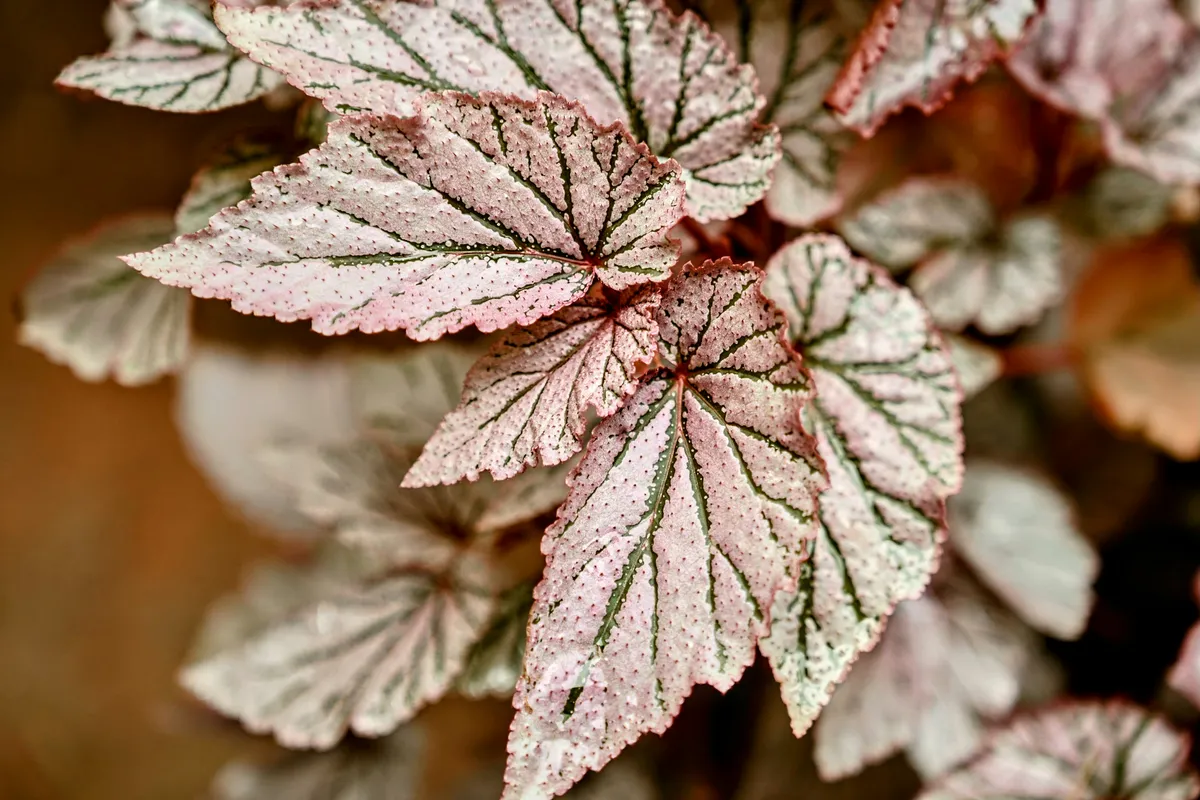
But here is the thing about rex begonias - once you understand what they actually want (which is basically the opposite of what most other houseplants want), they become one of the most rewarding plants you can grow. No other houseplant comes close to the sheer variety of color and pattern these things produce. We are talking swirls of silver, burgundy, pink, green, and purple all on a single leaf. It is like someone hired a watercolor artist to paint each one individually.
My second attempt went much better, and three years later I have a small collection of five rex begonias that my daughter calls “the fancy plants.” She is not wrong.
What Exactly Is a Rex Begonia?
Rex begonias (Begonia rex-cultorum) are a group of hybrid begonias bred specifically for their ornamental foliage. Unlike their cousins the wax begonias or tuberous begonias that people grow for flowers, rex begonias are all about the leaves. And what leaves they are.
The parent species, Begonia rex, was discovered in Assam, India in the 1850s. Since then, plant breeders have created hundreds of cultivars with an incredible range of colors and patterns. Some popular ones you might see at your local nursery include Escargot (with its distinctive spiral pattern), Fireworks (silver with purple veining and edges), Jurassic Silver Point (metallic silver leaves), and Red Kiss (deep burgundy-red with a dark center).
The leaves are asymmetrical - one side is always slightly larger than the other, which gives them that distinctive begonia look. Most rex begonias stay relatively compact, topping out around 12 to 18 inches tall, which makes them perfect for shelves, desks, and windowsills.
Light: Bright but Never Direct
This is where I went wrong the first time. Rex begonias want bright indirect light, but direct sun will literally burn their leaves. Those gorgeous, colorful leaves are actually quite thin and delicate compared to something like a rubber plant or a jade plant.
The ideal spot is near an east-facing window where the plant gets gentle morning light, or a few feet back from a south or west-facing window. Think bright enough to comfortably read a book, but no direct sun beams hitting the leaves.
Too much light shows up as faded, washed-out colors, brown crispy spots on the leaves, and an overall stressed appearance. If you see the leaves curling inward, that is the plant trying to reduce its sun exposure.
Too little light causes leggy, stretched growth, smaller leaves, and less vibrant coloring. The plant will survive in low light, but it will not thrive, and you will lose a lot of that spectacular patterning that makes rex begonias worth growing.
If you are growing in a room without great natural light, rex begonias actually do really well under grow lights. I keep one on a shelf in my home office under a basic LED grow light set to about 12 hours a day, and it is one of my healthiest specimens.
Water: The Goldilocks Challenge
Watering rex begonias is probably the trickiest part of their care. They want consistently moist soil, but they absolutely cannot sit in soggy, waterlogged conditions. Too wet and you get root rot. Too dry and the leaves start crisping from the edges inward. It is a balancing act.
Here is my approach that has worked well: stick your finger about an inch into the soil. If it feels dry at that depth, it is time to water. If it still feels slightly moist, check again in a day or two. During the growing season (spring and summer), this usually means watering every 5 to 7 days. In winter, I stretch it to every 10 to 14 days.
Water at the base of the plant, not from overhead. This is important. Rex begonia leaves are prone to powdery mildew and other fungal issues, and getting water on the leaves is a fast track to problems. I use a small watering can with a narrow spout and carefully direct the water right at the soil line.
One tip that made a huge difference for me: use room temperature water. Cold water can shock the roots and cause leaf drop. I just fill my watering can the night before and let it sit overnight so it is at room temperature by morning.
Humidity: The Make-or-Break Factor
If there is one thing that separates successful rex begonia growers from frustrated ones, it is humidity. These plants come from tropical and subtropical forest floors where the air is consistently humid. Your average home, especially in winter with the heat running, is basically a desert to them.
Rex begonias want humidity levels between 50 and 65 percent. Most homes hover around 30 to 40 percent in winter. That gap is why so many people lose their rex begonias during the cold months.
Here is what works and what does not:
What works: A humidifier near your plants is by far the best solution. I run a small cool-mist humidifier in my plant area and it has been a game changer. You can also group your rex begonias with other humidity-loving plants - they create their own little microclimate through transpiration. A bathroom with a window can also be a great spot if it gets enough light.
What sort of works: Pebble trays. Fill a tray with pebbles, add water until it is just below the top of the pebbles, and set your plant on top. The evaporating water adds some humidity around the plant. It is not as effective as a humidifier, but it helps.
What does not work: Misting the leaves. I know, I know - every plant care article from 2015 told you to mist your tropical plants. But with rex begonias, misting just gets the leaves wet, which promotes fungal problems. The humidity boost from misting lasts maybe 15 minutes. Not worth the risk.
Soil and Potting
Rex begonias need a well-draining, airy potting mix. Heavy, compacted soil holds too much moisture around the roots and leads to rot. Think of the forest floor where these plants evolved - lots of organic matter, leaf litter, good drainage, and plenty of air pockets.
My go-to mix is one part regular potting soil, one part perlite, and one part peat moss or coconut coir. The perlite keeps things light and airy while the peat or coir holds just enough moisture. Some growers add a handful of orchid bark for extra drainage, which is not a bad idea if you tend to overwater.
For pots, always use one with drainage holes. I learned this the hard way - a decorative pot without drainage is a death sentence for rex begonias. Terracotta pots are great because they are porous and allow some moisture to evaporate through the sides, which helps prevent waterlogging. Plastic and ceramic pots work fine too, just be a bit more careful with watering.
Size matters here too. Rex begonias have relatively shallow root systems, so you do not need a deep pot. A wide, shallow pot is actually better than a tall narrow one. When repotting, go up only one inch in diameter - they do not like being in pots that are too big because the excess soil holds moisture the roots cannot use.
Temperature: Keep It Comfortable
Good news - rex begonias like the same temperatures you do. Aim for 65 to 78 degrees Fahrenheit during the day and no lower than 60 degrees at night. If you are comfortable in a t-shirt, your rex begonia is probably happy too.
The main things to watch out for are cold drafts and heat sources. Keep your plant away from drafty windows in winter, air conditioning vents in summer, and radiators or heating vents year-round. Sudden temperature changes stress these plants out fast.
One thing I have noticed with my own plants: they really do not like being near exterior doors that open and close frequently in winter. That blast of cold air every time someone comes in is enough to cause leaf damage over time.
Feeding Your Rex Begonia
Rex begonias are not heavy feeders, but they do appreciate regular fertilizing during the growing season. I use a balanced liquid fertilizer (something like 10-10-10 or 20-20-20) diluted to half the recommended strength, applied every two to three weeks from spring through early fall.
Stop fertilizing in winter when the plant slows down. Feeding a dormant or semi-dormant plant is like offering a big meal to someone who just woke up from a nap - it is more than they can handle, and the excess salts build up in the soil.
If you notice white crusty buildup on the soil surface or around the pot rim, that is salt accumulation from fertilizer. Flush the soil by running water through it for a minute or two, letting it drain completely.
The Dormancy Question
Here is something that catches a lot of new rex begonia owners off guard: these plants sometimes go dormant in winter. Your plant might drop most or all of its leaves and look completely dead. Do not throw it away.
This is normal behavior, especially if your home gets cool and dry in winter. The rhizome (the thick, fleshy stem at the soil surface) is still alive. Reduce watering to just barely keep the soil from completely drying out, stop fertilizing, and wait. When spring comes and conditions improve, new leaves will push up from the rhizome.
That said, not every rex begonia goes dormant. If you can maintain warm temperatures and decent humidity through winter, your plant might just slow down instead of fully going dormant. My plants in the room with the humidifier barely slow down at all. The ones in cooler rooms definitely take a winter nap.
Common Problems and How to Fix Them
Brown, crispy leaf edges - Almost always a humidity issue. Increase humidity around the plant. Check that it is not near a heating vent or drafty window.
Yellowing leaves at the base - If it is just the oldest, lowest leaves, this is normal - the plant is shedding old foliage. If multiple leaves are yellowing, check your watering. Overwatering is the most common cause.
Powdery mildew - A white, powdery coating on the leaves. This happens when humidity is high but air circulation is poor. Improve airflow around the plant (a small fan nearby helps), avoid getting water on the leaves, and remove affected leaves. In severe cases, a fungicide spray may be needed.
Leggy, stretched growth - Not enough light. Move the plant closer to a window or supplement with a grow light.
Leaf drop - Could be several things: temperature shock, drafts, underwatering, or the plant entering dormancy. Check your conditions and adjust.
Root rot - If the base of the stem feels mushy and the plant is wilting despite moist soil, you likely have root rot. Unpot the plant, trim any black or mushy roots, let it dry slightly, and repot in fresh, well-draining soil. Go easier on the watering going forward.
Why Rex Begonias Are Worth the Effort
I get it. After reading all that, you might be thinking rex begonias sound like high-maintenance divas. And compared to a pothos or a snake plant, they definitely are. But here is what I tell anyone who asks: the payoff is absolutely worth it.
There is no other houseplant that gives you this range of color, pattern, and texture at this size and price point. A single rex begonia on a shelf or desk is genuinely eye-catching in a way that even the nicest monstera or fiddle leaf fig cannot match. And once you dial in the right conditions - which honestly is not that hard once you know what to focus on - they are pretty steady growers.
Plus, they are relatively easy to propagate from leaf cuttings, so once you have one healthy plant, you can make more to give to friends. Or to replace the ones you accidentally killed while learning. Not that I would know anything about that.
My daughter asked me recently why I like the “fancy plants” so much. I told her it is because they remind me that sometimes the most beautiful things need a little extra patience and care. She said that was “kind of corny, Dad.” She is right. But it is also true.
Quick Care Cheat Sheet
- Light: Bright indirect. No direct sun.
- Water: When the top inch of soil is dry. Water at the base, not overhead.
- Humidity: 50-65%. Use a humidifier if possible.
- Soil: Light, well-draining mix with perlite and peat or coir.
- Temperature: 65-78 F. Avoid drafts and sudden changes.
- Fertilizer: Half-strength balanced fertilizer every 2-3 weeks in growing season.
- Pot: Shallow, with drainage holes. Terracotta is great.
- Watch for: Powdery mildew, crispy edges, overwatering.
If you are looking to step up your houseplant game beyond the usual suspects, a rex begonia is a fantastic next challenge. Start with one of the more forgiving varieties like Escargot or Red Kiss, get your humidity situation figured out, and you will be hooked before you know it.