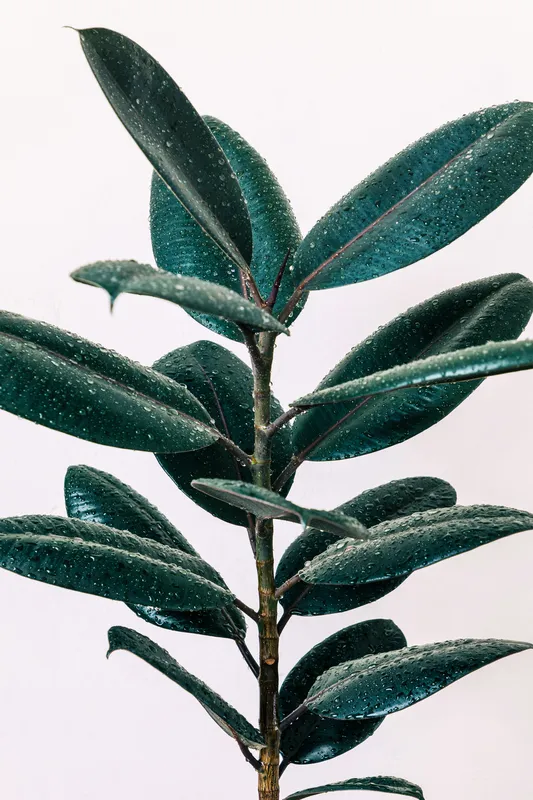
Propagating Rubber Plants: How to Turn One Ficus Elastica Into Many
My rubber plant got tall. Like, uncomfortably tall. It was brushing the ceiling, leaning toward the window like it was trying to escape, and had this long, bare stem with a tuft of leaves at the very top. It looked less like a houseplant and more like a palm tree that had given up.
So I did what any reasonable plant dad does - I panicked for a week, watched way too many YouTube videos, and then finally grabbed some pruning shears. The good news? That one awkward rubber plant turned into three plants, and the original grew back bushier than before. The even better news? Propagating rubber plants is way less scary than it looks.
Whether you want to fill your apartment with free plants, give a cutting to your neighbor, or just bring your leggy rubber plant back to a reasonable height, this guide has you covered.
Before You Start: The Milky Sap Situation
Here is something nobody warns you about until it is too late: rubber plants bleed. When you cut into a Ficus elastica, it oozes a white, milky latex sap from every wound. This stuff is sticky, mildly irritating to skin, and it will absolutely stain your favorite shirt.
Wear gloves. Old clothes. Maybe lay down some newspaper. I learned this the hard way when I wiped sap off my hands onto my jeans and spent the rest of the day looking like I had lost a fight with a glue stick.
The sap is not dangerous, but it can cause skin irritation in sensitive folks, and you definitely do not want it in your eyes. If your cat or toddler is nearby, maybe do this in a room they are not currently destroying.
Method 1: Stem Cuttings (The Easy Way)
Stem cuttings are the most straightforward approach. If you can use scissors, you can do this.
What You Need
- Sharp, clean pruning shears or scissors
- A small pot with drainage holes
- Well-draining potting mix (regular mix with extra perlite works great)
- A clear plastic bag or empty plastic bottle (for humidity)
- Rooting hormone (optional but helpful)
- Gloves (not optional - see above)
Step by Step
Pick your cutting. Look for a healthy stem with at least two or three leaves. Ideally, choose a section about 6 inches long. You want a stem that looks vigorous - no yellowing leaves, no signs of pests, no sad vibes.
Make the cut. Cut just below a leaf node (that little bump where a leaf meets the stem) at a 45-degree angle. The angled cut gives you more surface area for roots to develop, and the node is where the rooting magic happens.
Strip the lower leaves. Remove the bottom leaf or two, leaving just one or two leaves at the top. The plant does not need to support a bunch of foliage while it is trying to grow roots. If the remaining leaves are really large, you can cut them in half horizontally to reduce water loss. It looks weird, but it works.
Let it callus. Set the cutting aside for a few hours (or up to a day) so the cut end dries slightly. This little rest period reduces the chance of rot when you stick it in soil. Think of it like letting a scrape air out before putting on a bandage.
Dip in rooting hormone (optional). If you have rooting hormone powder, dip the cut end in it. This is not strictly necessary - rubber plants will root without it - but it speeds things up and improves your success rate. Worth the three dollars.
Plant it. Poke a hole in moist potting mix with your finger or a pencil, insert the cutting about two inches deep, and firm the soil around it gently. Water it lightly.
Create a humidity dome. Drape a clear plastic bag over the pot, or cut the bottom off a plastic bottle and place it over the cutting like a little greenhouse. Rubber plant cuttings root much faster in humid conditions. Just make sure to open it up every couple of days for air circulation so things do not get moldy.
The Waiting Game
This is the hard part. Rubber plant cuttings are not speed demons. Expect to wait four to eight weeks before you see meaningful root development. Keep the soil lightly moist (not soggy), keep it warm (70-80 degrees Fahrenheit is ideal), and give it bright, indirect light.
How do you know it is working? Give the cutting a very gentle tug after about six weeks. If it resists, roots are forming. If it slides out of the soil like a sad stick, give it more time.
Method 2: Air Layering (The Fancy Way)
Air layering sounds intimidating, but it is actually one of the most reliable propagation methods for rubber plants. Instead of cutting first and hoping for roots later, you encourage roots to grow while the stem is still attached to the mother plant. Less risk, higher success rate.
This method is especially great for those big, mature rubber plants where the stems are thick and woody. Thick stems do not always root well as cuttings, but air layering works on them beautifully.
What You Need
- A sharp, clean knife
- Sphagnum moss (a big handful)
- Plastic wrap
- Twist ties or string
- Rooting hormone (more helpful here than with cuttings)
- Gloves (yes, still)
Step by Step
Choose your spot. Pick a point on the stem about 12 to 18 inches below the top of the plant. This should be a healthy section with at least a few leaves above it. Everything above this point will become your new plant.
Make the wound. This is where it gets a little surgical. Make two parallel cuts around the stem, about one inch apart. Then make a vertical cut connecting them and carefully peel away the ring of bark between the two cuts. You are exposing the inner layer of the stem. This technique is called ring barking, and it encourages the plant to send out roots at this spot.
Apply rooting hormone. Dust the exposed area with rooting hormone powder. Be generous.
Wrap with sphagnum moss. Soak a big handful of sphagnum moss in water, then squeeze it out until it feels like a wrung-out sponge - damp but not dripping. Pack the moss around the exposed area, covering it completely.
Wrap with plastic. Take a piece of clear plastic wrap and wrap it snugly around the sphagnum moss. Secure both ends with twist ties or string. You want it sealed enough to hold moisture in, but you should still be able to peek through the plastic to check on progress.
Wait and watch. Over the next several weeks, you will start to see roots growing into the sphagnum moss through the plastic wrap. This is incredibly satisfying. Check the moss every week or so - if it looks dry, unwrap it carefully and mist it with water before re-wrapping.
Cut and pot. Once you see a healthy network of white roots (usually six to eight weeks), cut the stem just below the moss ball. Remove the plastic wrap but leave the sphagnum moss around the roots. Pot the whole thing in a well-draining mix and water it in.
The new plant might droop for a week or two as it adjusts to life on its own roots, but it will bounce back. And the mother plant? She will push out new growth from below the cut, often branching out and becoming bushier than before.
Water Propagation: Does It Work?
Short answer: yes, but it is slower and less reliable for rubber plants than the methods above.
You can absolutely stick a rubber plant cutting in a jar of water and watch it root. It works. But rubber plants seem to prefer rooting in soil, and water-rooted cuttings sometimes struggle with the transition to soil later. The roots that grow in water are different from soil roots - they are more fragile and need time to adapt.
If you want to try it, go for it. Use a clear container so you can see root development, change the water every few days to keep it fresh, and give it bright indirect light. Just know that soil propagation or air layering will usually give you better results with less fuss.
Common Mistakes (And How to Avoid Them)
Overwatering the cutting. The number one killer of propagation attempts. The soil should be lightly moist, not wet. If you can squeeze water out of the soil, it is too wet. Soggy soil equals rotting stems.
Not enough humidity. Rubber plant cuttings dry out fast without a humidity dome. That plastic bag trick is not just a nice-to-have - it makes a real difference, especially in dry apartments with central heating.
Too much direct sun. Your cutting does not need to sunbathe. Bright, indirect light is perfect. Direct sun will stress out a cutting that is already working hard to grow roots.
Propagating in winter. Rubber plants grow actively in spring and summer. Taking cuttings in winter is not impossible, but your success rate drops significantly. The plant’s energy is low, root growth is sluggish, and everything takes twice as long. If you can wait until spring, wait.
Giving up too early. Rubber plants are slow propagators. Four to eight weeks for roots is normal. I have had cuttings that looked dead for six weeks and then suddenly started pushing out roots. Patience is your friend here.
When Is the Best Time to Propagate?
Spring and early summer. Full stop. This is when your rubber plant is actively growing, hormones are flowing, and the plant has the energy to both recover from the cut and support new root growth on the cutting.
Can you propagate in fall? Sure, if you have to. Winter? I would avoid it unless you are rescuing a broken stem.
What to Do With the Mother Plant
After you take a cutting or complete an air layering, the mother plant is going to look a little rough. That is normal. Here is what to expect:
The sap will stop flowing from the cut within a day or so. You do not need to seal the wound - just let it dry naturally. Within a few weeks, the plant will push out one or two new growth points just below where you made the cut. This is the magic part - cutting actually encourages branching, so your once-leggy rubber plant comes back fuller and bushier.
Keep caring for the mother plant as usual. Bright indirect light, water when the top inch of soil is dry, and maybe a little fertilizer during the growing season to help it recover.
Final Thoughts
Propagating rubber plants is one of those things that feels like a big deal until you actually do it. The first time I cut into my Ficus elastica, my hands were shaking. Now I look at every tall rubber plant and think, “I could get at least three plants out of that.”
Start with a stem cutting if you are new to propagation. It is the simplest method and builds your confidence. Once you are comfortable, try air layering on a bigger plant - the success rate is hard to beat.
And if your first attempt does not work out? That is fine. It happens to everyone. The plant will recover, and you will have learned something for next time. That is basically the whole story of plant parenthood in a nutshell.