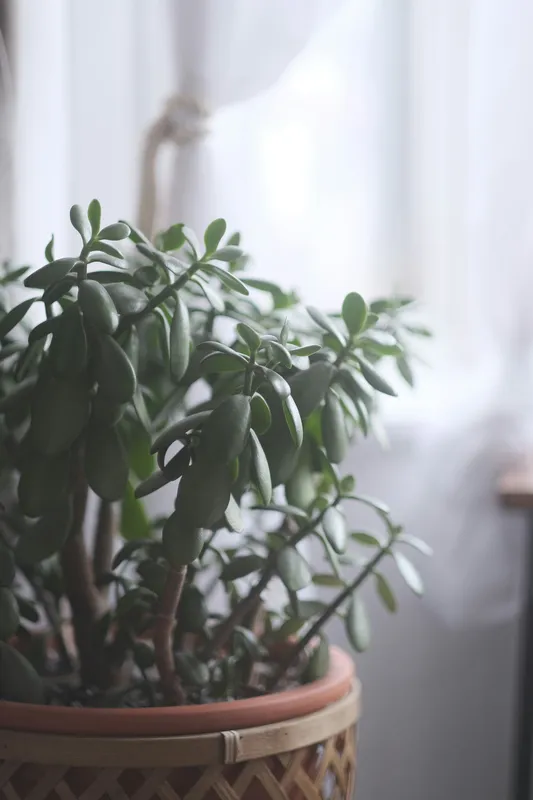
How to Propagate Jade Plants: Turn One Lucky Plant into a Whole Collection
My mom has had the same jade plant since before I was born. When my wife and I got our first apartment, she broke a branch off it and handed it to me wrapped in a paper towel. “For good luck,” she said, as if she was passing down a family heirloom and not a slightly dusty succulent.
That cutting rooted in about three weeks. It is now a small tree on our living room shelf, and my daughter calls it “Grandma’s plant.” Every Chinese New Year, I break off a few branches and give them to friends. Because that is what jade plants do - they multiply. Easily. Almost stubbornly.
If you have a jade plant (Crassula ovata) and want more of them - or if you want to share the luck with someone else - here is everything you need to know.
Why Jade Plants Are Perfect for Propagation Beginners
Jade plants are succulents, which means they store water in their thick, fleshy leaves and stems. That stored moisture gives cuttings a huge head start. They have enough energy and water reserves to survive the awkward rootless stage without much fuss.
They are also incredibly forgiving. I have accidentally knocked leaves off a jade plant, left them sitting on the windowsill for two weeks, and come back to find tiny pink roots growing out of the broken end. These plants want to live.
You have two main methods: stem cuttings and leaf cuttings. Stem cuttings are faster and more reliable. Leaf cuttings are slower but fun to watch, and they are a good option if you do not want to alter the shape of your parent plant.
Method 1: Stem Cuttings (The Reliable Way)
This is the method I use most. It gives you a plant that already looks like a miniature version of the parent, and it roots quickly.
What you need
- A healthy jade plant with stems at least 3 to 4 inches long
- Clean, sharp scissors or pruning shears
- A small pot with drainage holes
- Well-draining succulent or cactus soil mix
- Optional: rooting hormone powder (helps but is not required)
Step by step
Take your cutting. Choose a healthy stem with several sets of leaves. Cut just below a leaf node - that is the spot where leaves meet the stem. Aim for a cutting that is 3 to 5 inches long. Remove the bottom one or two sets of leaves so you have about an inch of bare stem.
Let it callous. This is the most important step that people skip. Set the cutting on a paper towel or plate in a dry spot out of direct sunlight. Leave it alone for 3 to 5 days. You are waiting for the cut end to dry out and form a thin, whitish seal. If you skip this and stick a fresh cutting straight into soil, the wet wound will likely rot.
Plant it. Once the end looks dry and slightly hardened, poke a small hole in pre-moistened succulent soil and insert the cutting about an inch deep. Gently press the soil around it so it stands upright. If it is wobbly, you can prop it against the side of the pot.
Wait before watering. Do not water for 10 to 14 days after planting. I know it feels wrong, but the cutting needs to develop roots first. Wet soil at this stage is the number one killer. After two weeks, give it a light drink and then water only when the soil is completely dry.
Provide bright indirect light. Set the pot somewhere with plenty of light but not harsh direct sun. A few feet back from a south or west-facing window is ideal. Direct afternoon sun on a fresh cutting can stress it out.
Roots typically develop in 2 to 4 weeks. You will know it is working when the cutting feels firm and does not wiggle loosely in the soil. New leaf growth will follow a few weeks after that.
Method 2: Leaf Cuttings (The Patient Way)
Leaf propagation is slower - we are talking months, not weeks - but it is strangely satisfying. And it is perfect for those leaves that fall off on their own. Do not throw them away.
How to do it
Get a healthy leaf. Gently twist a leaf off the stem with a slight rocking motion. You want a clean break right at the base. If the leaf tears and leaves part of itself on the stem, it probably will not root. A clean, complete leaf is what you are after.
Let it dry. Same as with stem cuttings, let the leaf sit out for 2 to 3 days until the broken end callouses over.
Lay it on soil. Place the leaf on top of well-draining succulent mix. Do not bury it. Just lay it flat or prop it at a slight angle with the calloused end barely touching the soil surface.
Mist occasionally. Instead of watering the soil deeply, give a light mist every few days to keep the surface slightly damp. You are encouraging the leaf to send out roots without drowning it.
Be patient. In about 2 to 4 weeks, you should see tiny pink or white roots emerging from the base of the leaf. A few weeks after that, a tiny rosette of baby leaves will start forming. This is the exciting part. The original leaf will slowly shrivel as the baby plant absorbs its nutrients - that is totally normal. Do not remove the old leaf until it falls off on its own.
The baby plant will take several months to grow big enough to pot up on its own. Think of it as a long game. But honestly, watching a single leaf turn into a whole plant is one of the most rewarding things in the hobby.
Water Propagation: Does It Work for Jade?
You can root jade cuttings in water, and plenty of people do. Here is the honest truth though - it works, but it is not the best method. Jade plants are succulents. They are adapted to dry conditions. Sitting in water for weeks can lead to rot, and the water roots you grow are different from soil roots. The plant will need to transition when you pot it up, and that adjustment period can be rough.
If you want to try it anyway, use a clear glass so you can monitor root growth and change the water every 5 to 7 days. Make sure only the bare stem is submerged - no leaves in the water. Roots should appear in 2 to 3 weeks. Pot it up once they are about an inch long.
I have done it both ways. Soil propagation is more reliable for jade. Save the water method for pothos and philodendrons.
When to Propagate
Spring and summer are your best bet. The plant is actively growing, temperatures are warm, and there is more daylight. Cuttings taken during the growing season root faster and establish more quickly.
Can you propagate in fall or winter? Yes, but everything takes longer. If your home stays warm (above 65 degrees Fahrenheit) and you have decent light, go for it. Just adjust your expectations on timing. A cutting that would root in three weeks during summer might take six weeks or more in January.
Common Mistakes (And How to Avoid Them)
Skipping the callous step. I cannot stress this enough. Fresh cuts plus wet soil equals rot. Every time. Give the cutting time to seal itself. A few days of patience saves weeks of disappointment.
Overwatering too early. Your cutting does not have roots yet. It cannot absorb water from the soil. All that moisture just sits there, encouraging fungus and bacteria. Wait at least 10 days before the first watering, then keep it on the dry side.
Using regular potting soil. Standard potting mix holds too much moisture for succulents. Use a cactus and succulent mix, or make your own by mixing regular potting soil with perlite at a roughly 50/50 ratio. Drainage is everything.
Not enough light. Jade cuttings need bright indirect light to grow. A dark corner will result in a leggy, pale cutting that struggles to root. If your space is dim, consider a small grow light.
Giving up too soon. Leaf propagation especially takes time. If your leaf is still firm and green after a month with no visible roots, it might still be working on things below the surface. Give it a few more weeks. Jade plants run on their own schedule.
What to Do After Your Cutting Roots
Once your cutting has established roots and is showing new growth, treat it like a small jade plant. Here is the quick rundown:
- Light: Bright indirect to direct morning sun. Jade plants love light. Gradually introduce more sun over a couple of weeks to avoid sunburn.
- Water: Water thoroughly, then let the soil dry out completely before watering again. In summer, this might be every 1 to 2 weeks. In winter, every 3 to 4 weeks.
- Soil: Keep it in well-draining succulent mix. Repot when roots start coming out of the drainage holes, usually after 6 to 12 months.
- Feeding: A balanced liquid fertilizer diluted to half strength once a month during spring and summer. Skip it in fall and winter.
The Best Part About Propagating Jade
In Chinese culture, jade plants symbolize prosperity and good fortune. My mom was not just giving me a plant when she broke off that branch. She was sharing something meaningful - a living piece of good luck, passed from her home to mine.
Now I do the same thing every year. A friend has a new apartment? Jade cutting. Neighbor had a rough week? Jade cutting. My kid wants to give her teacher a gift? You guessed it.
The nice thing about a plant that propagates this easily is that you never run out of things to give. And in my experience, the good luck multiplies right along with the cuttings.
Quick Reference
- Best method for beginners: Stem cuttings in soil
- Time to root (stem cutting): 2 to 4 weeks
- Time to root (leaf cutting): 3 to 6 weeks, plus months to grow
- Best season: Spring and summer
- Key rule: Always let cuttings callous before planting
- Biggest mistake: Overwatering before roots develop