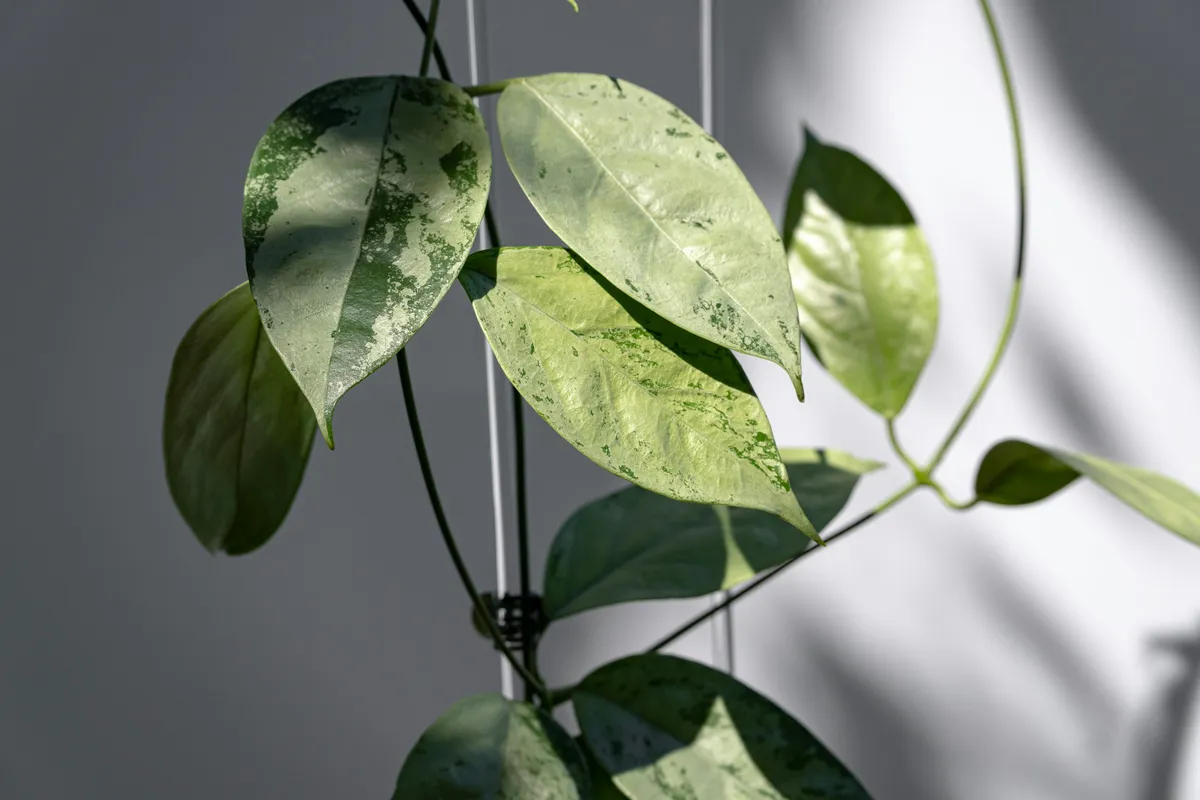
How to Propagate Hoya Plants: Turn One Wax Vine Into a Whole Collection
Let me tell you about the moment I became a hoya person. My wife brought home a little Hoya carnosa from a plant swap at her office - just a few sad-looking vines in a plastic pot. I stuck it on a shelf near a window and mostly forgot about it. Three months later, I walked past and noticed a cluster of tiny pink star-shaped flowers hanging from the vine like a little chandelier. I actually stopped and said “whoa” out loud. My three-year-old came running over to see what was so exciting.
That was two years ago. I now have seven hoyas. I bought exactly one of them. The rest? All propagated from cuttings I took from that original plant and a couple of generous friends. Hoyas are among the most satisfying houseplants to propagate because they are tough, forgiving, and the cuttings root reliably even if you are not particularly careful about it.
Here is everything I have learned about propagating hoyas - the methods that work, the mistakes I have made, and why you should absolutely be doing this.
Why Hoyas Are Great for Propagation
Before we get into the how, let me sell you on the why. Not all houseplants are equally easy to propagate. Calatheas, for instance, basically require a prayer circle and a full moon. Hoyas, on the other hand, have a few things going for them:
- They root from stem cuttings easily. No need for tissue culture or complicated setups. A glass of water on your kitchen counter works.
- They are slow growers, so cuttings are precious. When you successfully root one, it feels like a real accomplishment.
- They make amazing gifts. A rooted hoya cutting in a cute pot is the kind of gift that actually impresses people.
- Some hoyas are expensive. Propagation lets you grow your collection without taking out a second mortgage on a Hoya compacta variegata.
My dad has never understood why anyone would buy a plant when you can just grow one from a cutting. He is not wrong. This is the energy we are channeling here.
When to Take Cuttings
Timing matters. The best window for taking hoya cuttings is during the active growing season - spring through late summer. The plant is putting energy into new growth, and cuttings taken during this period root significantly faster.
Can you propagate in fall or winter? Sure. I have done it. But expect the process to take two to three times longer, and your success rate will be lower. If you are impatient like me, just wait until spring.
One more timing note: take cuttings from a healthy, actively growing plant. If your hoya is stressed, recovering from a move, or looking rough, give it time to bounce back before you start snipping.
What You Need
The supply list is short:
- A healthy hoya with vines at least six inches long
- Clean, sharp scissors or pruning shears (I use the little Fiskars ones)
- A clear glass or jar for water propagation
- Small pots with well-draining soil mix for soil propagation
- Optional: rooting hormone powder (helps but is not required)
- Optional: perlite or LECA if you want to try alternative media
That is it. You do not need a greenhouse. You do not need a heat mat. You need scissors and a cup.
How to Take the Perfect Cutting
This is the most important step, and it is also the one where most people make mistakes. Here is what a good hoya cutting looks like:
Find the nodes
Nodes are the small bumps along the stem where leaves emerge. This is where roots will form. Every cutting needs at least one node - ideally two or three. Without a node, you just have a piece of stem that will sit in water looking sad until it eventually rots.
Make your cut
Cut about half an inch below a node using clean, sharp scissors. Your cutting should be four to six inches long with two to four leaves. If you are taking from a long vine, you can get multiple cuttings from a single strand.
Remove the bottom leaves
Strip the leaves from the bottom one or two nodes. These are the nodes that will be submerged in water or buried in soil. Leaves left underwater will rot and create bacteria that can kill the cutting.
Let it callous
This is a step a lot of people skip, and it makes a difference. Set your cuttings on a clean paper towel for twelve to twenty-four hours before putting them in water or soil. The cut end will dry slightly and form a thin callous, which helps prevent rot. Think of it like letting a scrape scab over before putting a bandaid on it - same principle.
Method 1: Water Propagation
This is my go-to method and the one I recommend for beginners. It is simple, it works, and you get the fun bonus of watching roots develop in real time.
Setup
Place your cutting in a clear glass or jar with room-temperature water. The water should cover the bottom nodes but not touch the leaves. I use old jam jars because they are the perfect size and I have approximately forty of them.
Ongoing care
- Change the water every five to seven days. Fresh water means more oxygen for developing roots. Stagnant water breeds bacteria.
- Keep it in bright, indirect light. A windowsill that gets morning sun is perfect. Avoid direct afternoon sun - it will cook the cutting.
- Be patient. Hoyas are not fast rooters. Expect to see the first tiny root nubs in two to four weeks. Substantial roots that are ready for potting take six to eight weeks.
When to pot up
Once roots are one to two inches long and you see multiple root strands, your cutting is ready for soil. Do not wait until you have a massive root system - the longer roots sit in water, the harder the transition to soil will be.
I learned this the hard way. I left a cutting in water for four months because the roots looked so cool. When I finally potted it, the plant sulked for weeks because those water roots had to completely adapt to soil. Pot them up while the roots are young and adaptable.
Method 2: Soil Propagation
If you are the patient type who does not need to watch roots grow (cannot relate, but I respect it), soil propagation works great and skips the water-to-soil transition entirely.
The right soil mix
Hoyas want a chunky, well-draining mix. Standard potting soil holds too much moisture and will rot your cuttings. I use a mix of:
- 1 part regular potting soil
- 1 part perlite
- 1 part orchid bark
This gives you good aeration and drainage while still holding enough moisture to encourage root growth. You can also use straight perlite or a succulent and cactus mix if you do not want to blend your own.
How to do it
- Moisten your soil mix so it is damp but not soggy. Think wrung-out sponge.
- Poke a small hole in the mix with a chopstick or pencil.
- Insert the cutting so at least one or two nodes are buried.
- Gently firm the soil around the stem.
- Water lightly and place in bright, indirect light.
Keeping humidity up
The tricky part with soil propagation is keeping humidity high enough for root development without creating conditions for rot. A clear plastic bag loosely draped over the pot works well - just open it daily for airflow. I use the produce bags from the grocery store. My wife thinks I am a hoarder. I prefer “resourceful.”
You can also group your propagation pots together on a tray with wet pebbles. The evaporation creates a little humidity microclimate.
How to check for roots
Resist the urge to pull the cutting out and check. Give it at least four to six weeks before you test. Then gently tug on the stem - if you feel resistance, roots are forming. If the cutting slides right out, give it more time.
Method 3: LECA Propagation
I started experimenting with LECA (lightweight expanded clay aggregate) last year after my neighbor would not stop talking about it. I will admit: it works really well for hoyas.
The clay balls wick moisture up to the roots while keeping airflow around the stem, which is basically the best of both worlds. Fill a container with rinsed LECA, nestle the cutting in so the bottom nodes are sitting among the clay balls, and add water to just below the node level. The LECA wicks moisture up without submerging the stem.
Check the water level weekly and top off as needed. Rooting time is similar to water propagation - two to four weeks for initial roots.
Common Mistakes and How to Avoid Them
Taking leaf cuttings instead of stem cuttings
Here is something that catches a lot of people: a single hoya leaf will not grow into a plant. You might see individual heart-shaped Hoya kerrii leaves for sale at plant shops - and while they will root and survive for a long time as just a leaf, they will almost never produce new growth. You need a node attached to grow an actual plant.
Too much direct sunlight
Cuttings do not have a root system to support them yet. Direct sun causes more water loss than they can handle. Bright indirect light is the sweet spot.
Forgetting about them
I put a cutting in a jar on top of the refrigerator once and forgot about it for three weeks. The water had completely evaporated. Miraculously, the cutting survived because hoyas store water in their thick leaves, but this is not a strategy I recommend.
Using a dirty container
Bacteria in unclean containers is the number one killer of cuttings. Wash your jars and pots before using them. A quick rinse with hot soapy water is all it takes.
Overwatering soil cuttings
The cutting does not have roots yet, so it cannot absorb much water. Keep the soil lightly moist, not wet. If the top half inch of soil is dry, give it a small drink. That is it.
What to Do After Rooting
Once your cutting has a healthy root system, pot it up in a small container - a three or four inch pot is plenty. Use the same chunky, well-draining mix I described above.
Water it lightly after potting and place it in bright indirect light. For the first couple of weeks, keep the soil a touch more moist than you would for an established hoya. The plant is adjusting, and consistent light moisture helps it settle in.
Do not fertilize for at least a month after potting. The roots are tender and fertilizer can burn them. Once you see new leaf growth, you can start with a diluted balanced fertilizer at half strength.
And then comes the hard part: waiting. Hoyas are slow growers. Your little cutting might not do much visible growing for several months. That does not mean it is unhappy - it is probably putting energy into root development below the soil line. The first new leaf is coming. It just takes its sweet time.
One Last Thing
Propagation is one of the best parts of being a plant person. You are literally creating new life from a piece of an existing plant. It is free, it is satisfying, and when you hand a friend a little potted hoya that you grew from a cutting, you feel like some kind of botanical wizard.
My kids have started asking if we can propagate everything. The dog, their toys, their dessert. I told them it only works on plants. They were disappointed but have since gotten very invested in checking on our propagation jars every morning. If nothing else, hoyas are teaching them patience - which, honestly, might be the real win here.
Start with one cutting. That is all you need. The rest will follow.