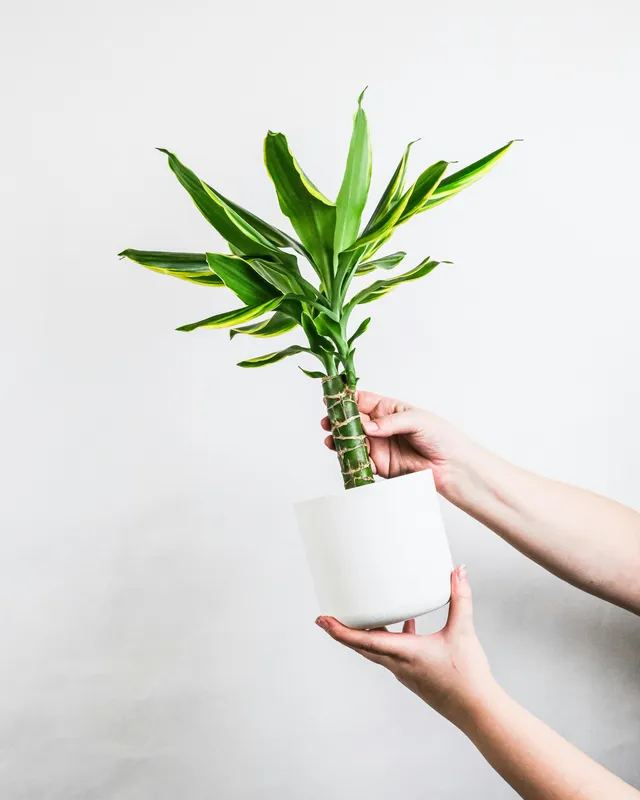
How to Propagate Dracaena: Turn One Leggy Dragon Tree into a Whole Family
Let me paint you a picture. You have had your dracaena for a couple of years. It was beautiful when you brought it home - bushy, balanced, full of life. But now it looks like a palm tree cosplaying as a telephone pole. All the leaves are clustered at the very top, the bottom is bare, and the whole thing is starting to lean like it owes someone money.
Sound familiar? That is just how dracaenas grow. They get leggy. It is not your fault.
But here is the silver lining: a leggy dracaena is basically begging you to propagate it. You can cut it back, root the pieces, and end up with multiple plants - all for free. The mother plant? She will sprout new growth from where you cut her and look better than ever.
I have done this with my Dracaena marginata (the classic dragon tree) and a Dracaena fragrans (corn plant) in our living room. Both times, I was nervous about making the cut. Both times, it worked out beautifully. Here is everything I learned so you can do it with confidence.
When to Propagate
Timing matters more than people think. The best window is spring through early summer, when your dracaena is actively growing. The plant has the most energy to push out new roots and shoots during this period.
Can you do it in winter? Technically yes, but everything will take two to three times longer, and your success rate drops noticeably. If your plant is truly struggling and you need to act now, go for it. But if you can wait for spring, wait for spring.
What You Will Need
Nothing fancy here. Most of this stuff you probably already have:
- A sharp, clean knife or pruning shears (sterilize with rubbing alcohol first)
- A glass jar or vase for water propagation, or small nursery pots with drainage holes
- Well-draining potting mix (regular indoor potting soil mixed with perlite works great)
- Optional: rooting hormone powder or gel (helps but is not required)
- Optional: sphagnum moss and plastic wrap if you want to try air layering
Method 1: Top Cuttings (The Easiest Way)
This is the method I recommend for beginners, and it is what I did the first time. You are essentially cutting off the top of the plant - the part with all the leaves - and rooting it.
How to do it
Cut the stem about 4 to 6 inches below the lowest leaf. Use a clean, sharp blade and make a straight cut. You want a good chunk of bare stem below the leaf cluster because that is where roots will form.
Strip off the bottom two or three leaves if they would end up below the waterline or buried in soil.
If you are using rooting hormone, dip the cut end in it now. Tap off the excess.
Root in water
Place the cutting in a jar of room-temperature water so that 2 to 3 inches of stem are submerged. No leaves underwater - they will rot. Put the jar somewhere with bright, indirect light. Not direct sun, which heats up the water and encourages bacteria.
Change the water every two to three days. This is the step people skip, and then they wonder why their cutting got slimy. Fresh water equals happy roots.
You should see little white root nubs in about two weeks. Once the roots are an inch or two long (usually three to six weeks total), you can transfer to soil.
Root in soil
If you want to skip the water step, stick the cutting directly into moist potting mix. Push it in about 2 inches deep. Keep the soil consistently moist - not soggy, just damp. A clear plastic bag over the pot can help maintain humidity while roots develop.
You will not be able to see the roots forming, which is the downside of this method. Give it about four to six weeks before you gently tug the cutting. If you feel resistance, roots have formed.
Method 2: Stem Cuttings (Get Multiple Plants)
This is where things get exciting. If your dracaena has a long bare stem, you can cut it into sections and root each one separately. One tall plant can become four or five new ones.
How to do it
After you have taken your top cutting, look at the remaining bare stem. Cut it into pieces that are each 4 to 6 inches long. Shorter pieces (down to about 2 inches) can work, but longer sections have more stored energy and root more reliably.
Here is the critical part: mark which end is up. Roots grow from the bottom, shoots from the top. If you plant a stem cutting upside down, it will not work. I use a small mark with a Sharpie on the top end right after cutting so I do not mix them up.
You can root these the same way as top cuttings - in water or in soil. The same rules apply: change the water frequently, keep soil moist, and give them bright indirect light.
Stem cuttings are slower than top cuttings. Expect new shoots to emerge from the top in about four to eight weeks. The little green bumps that appear are incredibly satisfying to watch.
Method 3: Air Layering (For the Patient and Curious)
Air layering is the most advanced method, but it also has the highest success rate - over 90 percent by some accounts. It works especially well on thick, woody dracaena stems that might resist rooting with the other methods.
The idea is simple: you encourage the plant to grow roots at a specific point on the stem while it is still attached to the parent plant. No cutting until roots have already formed.
How to do it
Pick a spot on the stem where you want roots to grow. Using a sterilized knife, carefully scrape away a ring of bark about half an inch wide all the way around the stem. You want to remove the outer layer down to the lighter tissue beneath.
Dust the exposed ring with rooting hormone if you have it.
Take a big handful of sphagnum moss, soak it in water, and squeeze out the excess so it is damp but not dripping. Wrap the moss around the exposed section of stem, then cover the whole thing with plastic wrap. Secure the top and bottom with twist ties or tape so the moss stays in place and retains moisture.
Check on the moss every week or so. If it is drying out, unwrap it, add water, and rewrap. In four to seven weeks, you should see roots growing through the moss.
Once you have a healthy root ball, cut the stem just below the roots and pot up your new plant. It already has roots, so the transition to soil is much smoother than the other methods.
What About the Mother Plant?
This is the part that always worries people. You just chopped your plant’s head off. It looks like a sad stick in a pot. Is it going to die?
No. Dracaenas are incredibly resilient. Within a few weeks, the stump will start pushing out new growth from just below where you made the cut. Often you will get two or three new branches instead of one, which means your plant will actually be bushier and more attractive than before.
Keep caring for the stump as you normally would. Water when the top inch of soil dries out. Keep it in its usual spot with bright indirect light. Resist the urge to overwater out of guilt - the plant has fewer leaves now and needs less water than before.
My corn plant stump sat there looking pathetic for about three weeks before two little green shoots appeared. Now it has a nice branching shape that looks way better than the single tall stalk it used to be.
Common Mistakes to Avoid
Using dull or dirty tools. A ragged cut invites infection. Always use sharp, sterilized blades. I keep a little spray bottle of rubbing alcohol next to my plant supplies for exactly this reason.
Forgetting to change the water. Stagnant water is the number one killer of water-propagated cuttings. Set a reminder on your phone if you need to. Every two to three days, dump and refill.
Putting cuttings in direct sunlight. Your cuttings need light, but direct sun is too intense. It heats up the water, stresses the leafy top cutting, and can scorch stem cuttings. Bright indirect light is the sweet spot.
Planting stem cuttings upside down. It sounds silly, but it happens more often than you would think, especially if you are cutting multiple sections at once. Mark the top end immediately after cutting.
Overwatering the mother plant after cutting. The stump has fewer leaves and therefore needs less water. Stick to your usual check-the-soil routine rather than watering on a schedule.
My Honest Take
Dracaena propagation is one of the most satisfying plant projects you can do at home. The success rate is high, the process is forgiving, and the payoff is real - you end up with multiple plants from one.
I especially love it as a family project. My daughter helped me wrap the sphagnum moss for air layering and she was so proud when roots appeared. We potted up the new plant together and she insists it lives in her room now. That is the kind of small win that makes plant parenting worth it.
If your dracaena is getting leggy and you have been putting off the big chop, this is your sign. Spring is right around the corner. Grab your shears, take a deep breath, and make the cut. Your plant will thank you - and so will the three new plants you get out of the deal.
Next Steps
If you are new to dracaena care in general, check out our full Dracaena care guide for tips on light, watering, and keeping these dragon trees happy long-term. And if you caught the propagation bug, spider plants and pothos are two other great beginner-friendly options to try next.