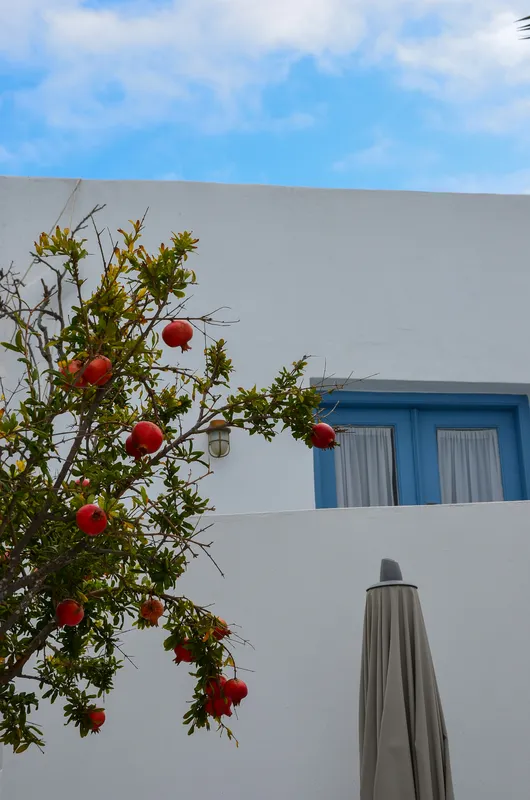
The Pomegranate Tree (Shi Liu): Why Every Chinese Family Wants One
There is a photo of my grandmother standing in front of a pomegranate tree somewhere in the family archives. She is maybe sixty, smiling in that way Chinese grandmothers smile for cameras - slightly stiff, slightly proud. The tree behind her is loaded with fruit, the kind of deep red that looks almost too vivid to be real. My mom says that tree was already old when she was a kid. It outlasted two kitchen renovations and a re-poured driveway. Nobody would have dreamed of cutting it down.
I did not understand why until I became a dad myself, cracked open a pomegranate for my daughter, and watched her face light up at all those tiny jewel-like seeds. Hundreds of seeds in a single fruit. That is the whole point, and that is why the pomegranate has been one of the most beloved plants in Chinese culture for over two thousand years.
More Than Just a Fruit
In Chinese, the pomegranate is called shi liu. The connection to fertility and abundance goes deep - the Chinese character for “seed” (zi) is the same character used for “son.” A fruit bursting with hundreds of seeds is about as on-the-nose a symbol for wanting many children as you can get.
A painting of a ripe, split-open pomegranate has been a classic wedding gift for centuries. Pair it with a lotus in the artwork and you are sending a wish for numerous offspring. Group it with a peach and a Buddha’s hand citron and you get the “Three Abundances” - many children, long life, and blessings. My parents had a small ceramic pomegranate on the living room shelf for as long as I can remember. I thought it was just decoration. It was not.
The pomegranate arrived in China via the Silk Road, likely during the Han Dynasty around two thousand years ago. Emperor Wu reportedly planted pomegranate groves in the imperial gardens of Chang’an. By the Eastern Han period, the city of Luoyang became famous for its pomegranates, with some fruits reportedly valued as highly as an ox. That is a lot of pressure for a piece of fruit, but pomegranates have always been overachievers.
Why You Should Grow One (Even in a Pot)
Here is the thing that surprised me most about pomegranates: they are not fussy. If you can grow a tomato, you can grow a pomegranate. They are drought-tolerant, disease-resistant, and self-fruitful, meaning you only need one tree to get fruit. Compare that to the drama of a fiddle leaf fig and suddenly a pomegranate tree sounds like the most low-maintenance relationship of your life.
They thrive in USDA zones 7 through 10 outdoors, but the real secret is that they do beautifully in containers. If you live in a colder climate - say, a New York City apartment with a sunny balcony - you can grow a dwarf pomegranate in a pot, bring it inside for winter, and still get fruit. My neighbor in Queens has been doing exactly this for five years. The tree is maybe three feet tall and produces a dozen pomegranates every fall. His kids think it is magic.
Picking the Right Variety
Not all pomegranates are created equal, especially for container growing. Here are some solid choices:
Wonderful - The classic grocery store variety. Big fruit, deep red, reliable producer. Needs a large container (at least 20-24 inches) or a yard.
Nana (Dwarf Pomegranate) - Perfect for containers and small spaces. Grows 2-4 feet tall. The fruit is smaller and more ornamental than edible, but it flowers beautifully and the symbolism is all there.
Parfianka - Sweet, soft-seeded variety that is a joy to eat. Medium-sized tree that does well in large pots.
Angel Red - Another soft-seeded variety that fruits prolifically. Great flavor and manageable size for suburban yards.
If you are growing mainly for the cultural meaning and the beauty, the dwarf Nana is hard to beat. If you want to actually eat the fruit, go with Parfianka or Angel Red in the biggest container you can manage.
How to Grow a Pomegranate Tree
Light
Pomegranates are sun-worshippers. They need a minimum of six hours of direct sunlight daily, but eight or more is better. South-facing windows work for indoor plants, but honestly, these trees are happiest outdoors in summer. Even container-grown pomegranates should spend the warm months outside if possible.
Soil and Containers
Use well-draining potting mix. Pomegranates are not particular about soil pH - they tolerate a range from slightly acidic to slightly alkaline. What they absolutely cannot handle is soggy roots, so make sure your container has drainage holes.
Start with at least a 10-gallon pot for dwarf varieties, or a 15-20 gallon for full-size types. Plan to repot every two to three years in spring, moving up one container size each time. You will know it is time when you see roots poking out of the drainage holes or when growth slows down noticeably.
Watering
Here is where pomegranates earn their easy reputation. Once established, they handle drought like champions. For container plants, water when the top inch or two of soil feels dry. The biggest mistake I see people make is overwatering - pomegranates are Mediterranean plants at heart. They would rather be a little thirsty than swimming.
One important note: if your tree is fruiting, try to keep watering consistent. Big swings between dry and wet can cause the fruit to split open on the tree, which is poetic for a fertility symbol but annoying if you wanted to eat those pomegranates.
Feeding
Feed monthly during the growing season (spring through early fall) with a balanced fertilizer. Nothing fancy needed. I use the same all-purpose liquid fertilizer I use for my tomatoes. Cut back to no feeding in winter when the tree goes dormant.
Winter Care
Pomegranates are deciduous. They drop their leaves in fall and go dormant, which is actually a good thing - they need that rest period. If you are growing in a container in a cold climate, move the tree to a cool but frost-free spot for winter. A garage, basement, or unheated room that stays above 35-40 degrees Fahrenheit is ideal. They do not need light during dormancy, just protection from hard freezes.
Do not panic when all the leaves fall off. This is normal. It is not dead. (I say this from experience, having nearly composted a perfectly healthy dormant pomegranate my first winter.)
Pruning
Pomegranates naturally grow as multi-stemmed shrubs. You can train them into a single-trunk tree form if you prefer, but the shrub habit is easier to manage in containers. Prune in late winter before new growth starts. Remove dead wood, crossing branches, and suckers from the base. Light annual pruning encourages better fruit production.
The Patience Part
I will be honest with you: pomegranates from seed take three to five years to fruit. Even grafted nursery trees usually need two to three years to settle in before producing reliably. This is not a “plant it and harvest it this summer” situation.
But here is the thing about growing a pomegranate tree. It is not really about the fruit. Not entirely. It is about having a living symbol in your home or garden. It is about your kids watching a tree grow alongside them. It is about the moment you crack open that first homegrown pomegranate and feel a connection to a tradition that stretches back thousands of years and across an ocean.
My grandmother’s tree was not remarkable because of the fruit. It was remarkable because it was hers, and then it was my mother’s, and now the memory of it is mine. And maybe that is the most Chinese thing about pomegranates - the idea that what you plant today is not just for you.
Common Mistakes to Avoid
Overwatering - This is the number one killer. Let the soil dry out between waterings. Pomegranates are tougher than you think.
Not enough sun - A shady corner will give you leggy growth and no fruit. These trees need full sun, period.
Keeping them too warm in winter - Pomegranates need a cool dormancy period. A warm living room all winter will confuse the tree and reduce flowering the next season.
Giving up when leaves drop - Deciduous means deciduous. Leaves will come back in spring. Put down the compost bin.
Inconsistent watering during fruiting - Steady moisture prevents fruit splitting. Set a reminder if you need to.
What to Do Next
If this has you thinking about adding a pomegranate to your collection, start by figuring out your space. Balcony or patio with full sun? A dwarf Nana in a 10-gallon pot is your entry point. Backyard with room to spread? Go for a Wonderful or Parfianka and give it space to become the centerpiece it deserves to be.
Check your local nurseries in spring - pomegranate trees are becoming more widely available as interest in edible landscaping grows. Asian grocery stores sometimes carry pomegranate seedlings around Lunar New Year, which feels appropriate.
And if you are looking for a meaningful gift for a wedding, a new baby, or a housewarming, consider a pomegranate tree. It is a living wish for abundance, wrapped in two thousand years of cultural tradition. Beats a gift card.