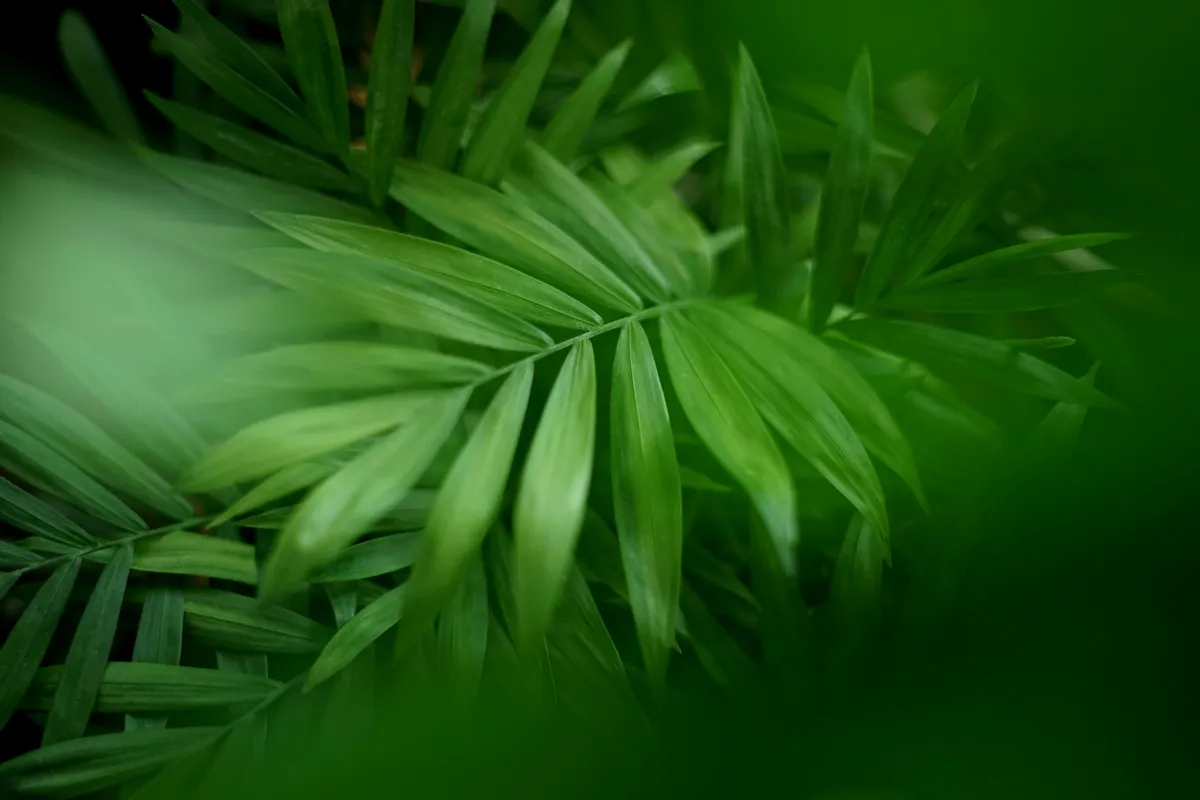
Parlor Palm Care: The Elegant Low-Light Palm That Actually Thrives Indoors
There is something about a palm in your living room that just changes the vibe. Suddenly your apartment feels less like a box you sleep in and more like somewhere you might actually want to hang out. The problem is that most palms are outdoor plants pretending to be houseplants - they want blazing sun, tons of space, and humidity levels you cannot achieve without turning your apartment into a greenhouse.
The parlor palm (Chamaedorea elegans) is the exception. This compact little palm has been thriving indoors since the Victorian era, when people kept them in - you guessed it - their parlors. Dark parlors. With terrible ventilation and coal dust everywhere. If it survived that, it can survive your north-facing apartment in Brooklyn. Trust me.
I picked up my first parlor palm from a bodega on Mott Street about four years ago. It was stuffed between some lucky bamboo and a sad-looking orchid, already a little leggy but clearly alive. Four years later, it is still going strong on our kitchen counter, where it gets maybe two hours of indirect light on a good day. My kids have knocked it over twice. It does not care.
Why the Parlor Palm is Perfect for Real Life
If you have been burned by a fiddle leaf fig or watched a majesty palm slowly turn brown and crispy in your living room, the parlor palm is the reset you need. Here is why it works for actual humans with actual lives.
Genuinely low-light tolerant: Not the marketing version of “low light” where they really mean “bright indirect.” Parlor palms actually grow in the understory of Mexican and Guatemalan rainforests, beneath a thick canopy. They evolved to thrive in shade. A north-facing window, an interior room with some ambient light, a bathroom with a small window - all fine.
Compact and manageable: Mature parlor palms top out at about 3 to 4 feet indoors. They grow slowly, so even a small tabletop plant will stay that size for a couple of years before you need to think about a bigger pot.
Pet and kid friendly: According to the ASPCA, parlor palms are non-toxic to cats and dogs. This is huge if you have pets, because a shocking number of popular houseplants are toxic. Your cat can chew on the fronds (they will try) without a trip to the vet.
Air purifying: NASA’s classic clean air study included Chamaedorea elegans on its list of plants that help filter indoor pollutants. Whether the air purification effect is meaningful in a real apartment is debatable, but hey, it does not hurt.
Light Requirements
Let me be clear: parlor palms want indirect light. Direct sunlight will actually scorch their delicate fronds, turning them yellow or brown. This is one of the few houseplants where putting it in your brightest window is actually a mistake.
Best light: Bright to moderate indirect light. A few feet back from an east-facing window is ideal. Near a north-facing window works great too.
Minimum light: Low indirect light. They will grow more slowly and the fronds might be a bit more spaced out, but the plant will survive and even put out new growth in surprisingly dim conditions.
Too much light signs: Fronds bleaching to pale green or yellow, brown crispy edges, overall washed-out appearance. If you see this, move it further from the window.
Not enough light signs: Very slow growth (even for a slow grower), new fronds coming in smaller than older ones, overall sparse look. Consider supplementing with a grow light if your space is really dark.
In my experience, the sweet spot is somewhere you can comfortably read a book during the day without turning on a lamp. If you can read there, your parlor palm can grow there.
Watering
This is where most people mess up with parlor palms, and honestly with most houseplants. Overwatering is enemy number one.
The simple rule: Water when the top inch of soil feels dry. Stick your finger in - if it feels dry to your first knuckle, water thoroughly until it drains out the bottom. If it still feels damp, wait a few more days.
How often that translates to: In spring and summer, probably once a week. In winter, every 10 to 14 days. But honestly, check the soil rather than following a calendar. Your apartment’s temperature, humidity, and the pot size all affect how quickly the soil dries out.
Water quality matters: Parlor palms can be sensitive to fluoride and chlorine in tap water. If your tap water is heavily treated (hello, NYC water), you might notice brown tips on the fronds over time. Letting water sit out overnight helps the chlorine dissipate. Or just use filtered water if you have a pitcher. I started doing this after the brown tips got bad enough to annoy me, and it made a noticeable difference.
Signs of overwatering: Yellowing fronds (starting from the lower ones), mushy stem base, soggy soil that never seems to dry, fungus gnats hovering around. If you catch it early, let the soil dry out completely and reduce your watering frequency.
Signs of underwatering: Fronds drooping and curling inward, dry crispy tips, soil pulling away from the pot edges. Give it a good soak and it should perk up within a day.
Soil and Potting
Parlor palms are not fussy about soil, but they absolutely need good drainage. Sitting in waterlogged soil is the fastest way to kill one.
Ideal soil mix: A standard well-draining potting mix works fine. I use about two parts regular potting soil, one part perlite, and a handful of orchid bark. The perlite and bark keep things airy so roots can breathe and excess water drains away.
Pot choice: Always use a pot with a drainage hole. I cannot stress this enough. Decorative pots without drainage are fine as cache pots (put the nursery pot inside them), but do not plant directly into a pot with no drainage unless you want root rot within a few months.
When to repot: Parlor palms are slow growers and actually prefer being slightly rootbound. Repot every 2 to 3 years, or when you see roots circling the bottom of the pot or growing out of the drainage holes. Go up only one pot size - maybe an inch or two in diameter. These are not plants that want a mansion.
Humidity and Temperature
Here is the good news: parlor palms are way more adaptable to normal indoor conditions than most tropical plants.
Humidity: They prefer 50 to 60 percent humidity, which is higher than most homes in winter but totally achievable with a pebble tray or a nearby humidifier. That said, my parlor palm has survived NYC winters with the radiator blasting and humidity probably around 30 percent. It was not its best look - the frond tips got a little crispy - but it bounced back in spring. If you can group it with other plants or keep it in a kitchen or bathroom where humidity is naturally higher, it will thank you.
Temperature: Standard room temperature of 65 to 80 degrees Fahrenheit is perfect. Keep it away from cold drafts, air conditioning vents, and radiators. Anything below 50 degrees will stress it out.
Fertilizing
Parlor palms are light feeders. Do not go overboard here.
Growing season (spring through summer): Feed once a month with a balanced liquid fertilizer diluted to half strength. I use a standard 10-10-10 houseplant fertilizer and have had good results.
Fall and winter: Stop fertilizing. The plant is resting, and excess fertilizer can build up in the soil and burn the roots.
Signs of over-fertilizing: Brown leaf tips (though this can also be a water quality issue), white crusty buildup on the soil surface, overall leaf burn. If you see these, flush the soil with plain water a few times and lay off the fertilizer for a while.
Common Problems and How to Fix Them
Brown Tips on Fronds
This is the number one complaint with parlor palms. The culprits, in order of likelihood:
- Low humidity - Especially in winter. Try a pebble tray or humidifier.
- Tap water sensitivity - Switch to filtered water or let tap water sit overnight.
- Over-fertilizing - Cut back and flush the soil.
- Too much direct sunlight - Move it further from the window.
You can trim off brown tips with clean scissors. Cut at an angle so the frond still looks natural.
Yellowing Fronds
Lower fronds turning yellow and dying off is normal - the plant is redirecting energy to new growth at the top. But if multiple fronds are yellowing at once, especially newer ones, check for overwatering or root rot.
Spider Mites
These tiny pests love dry conditions, which makes winter in a heated apartment prime spider mite season. Look for fine webbing on the undersides of fronds and tiny dots moving around.
Treatment: Wipe down fronds with a damp cloth, then spray with neem oil diluted according to package directions. Repeat weekly until they are gone. Increasing humidity helps prevent them from coming back.
Leggy or Sparse Growth
If your parlor palm is getting tall and thin with widely spaced fronds, it probably wants more light. Move it closer to a window (but not into direct sun). Parlor palms cannot be pruned back to encourage bushier growth - what you see is what you get. But new fronds will grow in fuller if light conditions improve.
A Note on Multiple Stems
Most parlor palms you buy at a nursery or plant shop are actually several individual plants potted together to create a fuller look. This is totally normal and fine. As the plants grow, they will fill out naturally. If the pot gets overcrowded after a few years, you can carefully divide them during repotting - but honestly, they look best as a cluster.
Propagation
Here is the honest truth: parlor palms are not easy to propagate at home. They do not produce offsets or pups like spider plants, and you cannot grow a new plant from a stem cutting. They propagate from seed, which requires flowers (rare indoors), pollination, and a lot of patience.
If you see small orange or yellow flower stalks on your parlor palm, that is a good sign that the plant is happy. But unless you have multiple plants and want to try hand-pollinating, I would just enjoy the flowers and buy a new plant if you want more. At a few dollars each, parlor palms are one of the most affordable houseplants out there.
Where to Buy
Parlor palms are everywhere. Seriously. Home Depot, Lowes, your local nursery, bodegas, grocery stores, IKEA - you name it. They are one of the most commonly sold houseplants in the country.
When picking one out, look for:
- Bright green fronds with no yellowing or brown spots
- Multiple stems for a fuller look
- No signs of pests - check the undersides of fronds
- Moist but not soggy soil - avoid plants sitting in water
A small 4-inch pot will run you around 5 to 10 dollars. Larger floor-size specimens can be 30 to 60 dollars, but honestly, buying a small one and letting it grow is half the fun.
Final Thoughts
The parlor palm is not flashy. It is not going to get you thousands of likes on Instagram (leave that to the pink princess philodendrons). But it is one of the most reliable, forgiving, and genuinely beautiful houseplants you can own. It brings a touch of the tropics to any room, it puts up with conditions that would make other palms weep, and it does it all while being safe for your kids and pets.
If you are just starting out with houseplants, or if you have a dark room that needs some life, the parlor palm should be near the top of your list. It has been making homes feel warmer and greener since before your great-grandparents were born, and it is not going to stop anytime soon.
Now if you will excuse me, I need to go check if mine needs water. It has been… a while.