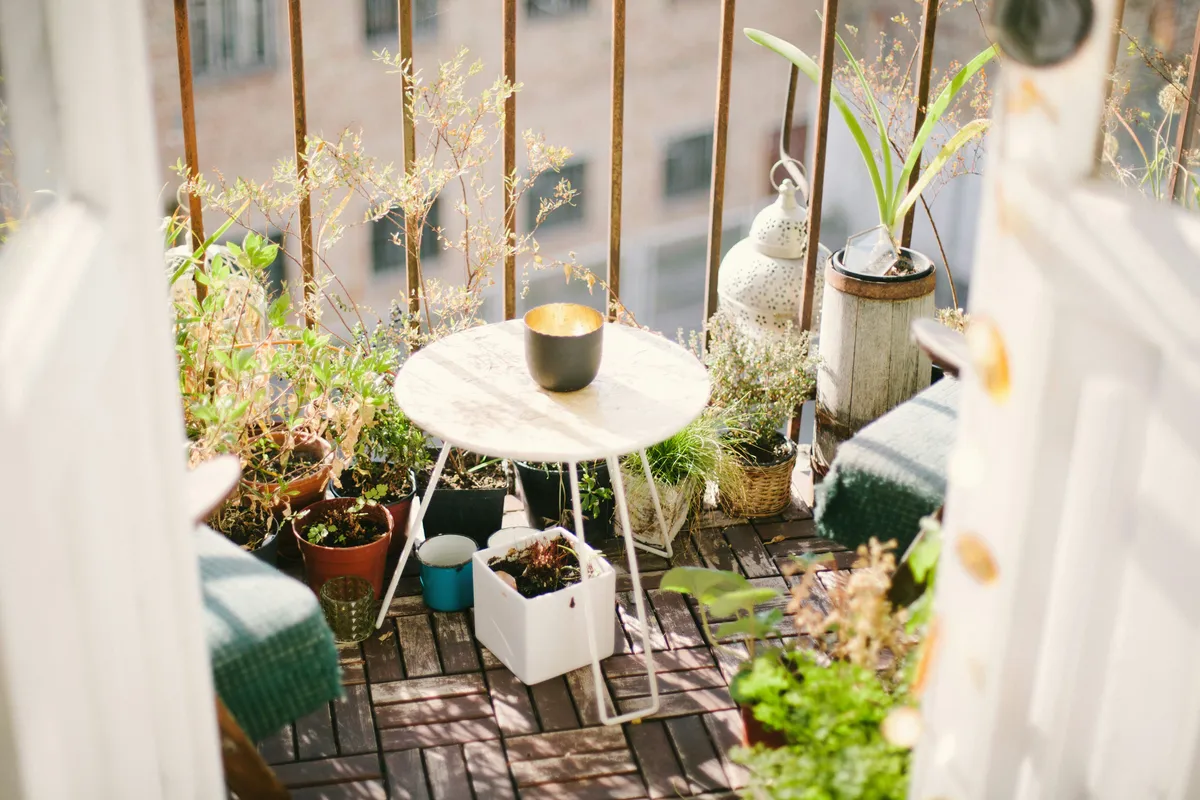
Every spring, I start eyeing my porch. The frost is done, the days are stretching longer, and my houseplants are looking a little… tired. Leggy stems reaching for the window. Pale new growth. That general vibe of “I have been surviving, but I have not been thriving.”
That is when I start hauling them outside.
Moving your houseplants outdoors for summer is one of the best things you can do for them. The increased light, better air circulation, natural humidity, and warm temperatures can turn a struggling plant into a lush, happy one in just a few weeks. But you cannot just grab your monstera and drop it on the back deck in full sun. That is a recipe for crispy, sunburned leaves and a very sad plant parent.
Here is how to do it right.
Why Bother Moving Plants Outside?
If your plants are doing fine indoors, you might wonder why you should risk the transition at all. Fair question. Here is what your plants gain from a summer outside:
More light. Even a bright window delivers a fraction of the light your plants would get outdoors. More light means more energy for growth, bigger leaves, and stronger stems. My fiddle leaf fig puts out more new leaves in two months on the porch than it does all winter indoors.
Better air circulation. Indoor air is stagnant compared to a gentle outdoor breeze. Good airflow strengthens stems and helps prevent fungal issues like powdery mildew and leaf spot.
Natural humidity. Summer air - especially here in the Northeast - carries humidity that most tropical houseplants crave. No more running a humidifier 24/7.
Rain. Summer showers flush out mineral buildup in your soil and clean dust off leaves. It is like a spa day for your plants.
My dad used to set his plants outside every May without much ceremony - just lined them up along the side of the house and forgot about them until September. They always came back inside looking fantastic. Of course, he also lost a few to surprise cold snaps, which is why I recommend a slightly more deliberate approach.
When to Start
The magic number is nighttime temperatures. Wait until overnight lows consistently stay above 55 degrees Fahrenheit (about 13 degrees Celsius). For most of the Northeast and Midwest, that means late May or early June. If you are in a warmer climate, you might be able to start in April.
Check your local frost date. If the last frost has passed and the forecast looks stable, you are good to go.
One thing I learned the hard way: do not trust one warm week in April. I once moved a shelf of tropicals outside during a gorgeous 75-degree stretch, only to scramble at midnight when temperatures dropped into the low 40s. My alocasia has never fully forgiven me.
The Hardening Off Process
This is the most important part, and the step most people skip. Hardening off means gradually acclimating your plants to outdoor conditions over one to two weeks. Think of it like easing into a cold pool instead of cannonballing.
Days 1 through 3: Place your plants in a fully shaded, sheltered spot - like a covered porch or under a large tree. Keep them out of wind and direct sun. Bring them in at night if temperatures drop below 55 degrees.
Days 4 through 7: Move them to a spot with dappled or morning sun (an hour or two of gentle light). Leave them out overnight if nighttime temps are stable.
Days 8 through 14: Gradually increase their sun exposure to match their needs. A pothos can stay in shade. A succulent can work up to several hours of direct sun. A fiddle leaf fig does well with bright morning light and afternoon shade.
The key is patience. I know it is tempting to just set everything out and hope for the best, but two weeks of gradual transition prevents leaf scorch, wilting, and transplant shock.
Which Plants Love Going Outside
Almost every houseplant benefits from a summer outdoors, but some are especially enthusiastic about it:
Tropical foliage plants like monstera, philodendrons, pothos, and alocasia thrive in the warm, humid outdoor air. Keep them in partial shade to mimic their natural understory habitat.
Citrus trees go wild outside. If you have a Meyer lemon or calamansi, summer sun can trigger flowering and fruiting that rarely happens indoors. Give them as much sun as possible.
Succulents and cacti soak up the extra light. Just watch out for afternoon sun in really hot climates - even desert plants can scorch if they have been living in your living room for six months.
Hoyas, jasmine, and other flowering plants often need the light boost from outdoors to produce blooms. My hoya carnosa only flowers after its summer porch vacation.
Palms, bird of paradise, and large statement plants appreciate the room to grow and the extra light energy.
Which Plants Should Stay Inside
A few plants are better off staying put:
African violets and other fuzzy-leaved plants. Water on their hairy leaves causes brown spots, and outdoor rain makes this almost impossible to avoid.
Calatheas and marantas. These fussy divas can react badly to temperature swings, wind, and direct sun. If yours is finally happy indoors, do not rock the boat.
Any plant that is currently stressed or recovering. A plant fighting root rot or bouncing back from repotting does not need the additional stress of a location change.
Picking the Right Spot
Where you place your plants outside matters almost as much as when you move them. Here is what to consider:
Light levels. Most tropical houseplants want bright, indirect light outdoors - which usually means partial shade. Under a tree canopy, on a covered porch, or on the east side of your house (morning sun, afternoon shade) are all great options. Only move sun-loving plants like succulents and citrus into full sun.
Wind protection. Strong gusts can snap stems, knock over pots, and dry out soil quickly. Place plants near a wall, fence, or hedge that blocks prevailing winds.
Elevation. Setting pots directly on the ground invites slugs, ants, and other critters to move in through the drainage holes. Use plant stands, tables, or pot feet to create some separation.
Proximity to your door. This sounds silly, but it matters. If your plants are in a far corner of the yard, you are less likely to check on them regularly. Keep them where you will see them daily - near the back door, on the patio, along the path you walk to take out the trash.
Adjusting Your Care Routine
Plants outdoors need different care than plants indoors. Here are the big changes:
Water more often. Wind, sun, and warm air dry out soil much faster than your climate-controlled living room. I water my outdoor plants almost every day during hot stretches, compared to once a week indoors. Check the soil daily - if the top inch is dry, water deeply.
Fertilize regularly. With all that extra light and warmth, your plants will be growing actively and using more nutrients. Feed every two weeks with a balanced liquid fertilizer during the growing season.
Watch for pests. The outdoors introduces your plants to a whole new cast of characters - aphids, spider mites, mealybugs, slugs, and caterpillars. Check leaves regularly, especially the undersides. A strong spray from the hose knocks off most soft-bodied insects.
Expect faster growth. This is the fun part. Your plants might surprise you with explosive growth once they settle into their outdoor spot. My monstera puts out a new leaf practically every week during summer.
Common Mistakes to Avoid
Skipping hardening off. I cannot stress this enough. Moving a plant from your dim living room to full afternoon sun is like going to the beach after spending all winter indoors - except plants cannot apply sunscreen. Sunburned leaves turn white or brown and do not recover.
Forgetting about rain. Light rain is great. A torrential downpour that floods your pots and leaves them waterlogged is not. If heavy storms are forecast, move small pots to a sheltered spot or tilt them to drain.
Ignoring nighttime temperatures. Summer days might be 85 degrees, but if an unexpected cold front pushes overnight temps into the 40s, your tropical plants will not be happy. Keep an eye on the forecast.
Leaving plants in cache pots without drainage. Outdoor rain will fill up a decorative pot with no drainage hole and drown the roots. Make sure every pot can drain freely.
Forgetting to bring them back in. It happens to the best of us. Set a reminder for early September to start transitioning plants back indoors before nighttime temperatures drop.
Bringing Them Back Inside
The return trip in fall is just as important as the move out in spring. Here is the process:
Start early. Begin transitioning plants back indoors in early September, well before frost. Do not wait until it is 40 degrees outside and scramble.
Reverse the hardening off. Gradually reduce their light exposure over a week or two by moving them to shadier outdoor spots before bringing them inside.
Inspect for hitchhikers. This is critical. Check every plant thoroughly for pests - look under leaves, around stems, and in the soil. Spray with neem oil or insecticidal soap. Some folks soak the entire pot in a diluted insecticidal soap solution to flush out soil-dwelling critters.
Expect some leaf drop. Even with careful transitioning, many plants will drop a few leaves as they readjust to lower indoor light levels. This is normal. They will bounce back.
Clean up. Wipe down leaves, remove any dead or damaged foliage, and top off the soil. Give each plant a good drink and welcome it home.
A Summer Ritual
I look forward to moving day every year. There is something deeply satisfying about carrying each plant outside - feeling the weight of the pot, finding just the right spot for it, adjusting it until the light hits the leaves just right.
My kids like to help, which mostly means they carry the smallest pots and occasionally spill soil on the patio. My three-year-old has claimed a small pothos as “her plant” and insists on watering it every day. Sometimes twice a day. The pothos is somehow surviving this aggressive love.
By midsummer, the porch looks like a tiny jungle - pots clustered around the chairs, trailing vines hanging from the railing, the Meyer lemon tree standing guard by the door. It is my favorite version of our house.
And when fall rolls around and we bring everyone back inside, the plants come back stronger - fuller, greener, with new growth that makes all the hauling and watering worth it.
Your plants want that summer vacation. Give it to them. Just do it slowly, pay attention, and keep an eye on the weather.
They will thank you with the best growth of the year.