Growing a Meyer Lemon Tree Indoors - Yes, Even in Your Apartment
I’m going to be honest with you. When I first brought home a Meyer lemon tree, my wife looked at me like I’d lost my mind. We live in a New York City apartment. We have two kids, a cat, and approximately four square feet of unoccupied floor space. And here I was, carrying in a three-foot tree in a ceramic pot, insisting it would “basically take care of itself.”
It did not basically take care of itself. But two years later, that little tree has produced actual lemons - real, fragrant, impossibly good lemons - and I would do it all over again. If you’ve ever wanted to grow citrus indoors, a Meyer lemon is the place to start. Here’s everything I’ve learned, including the stuff I wish someone had told me on day one.
Why Meyer Lemons Are Perfect for Indoor Growing
Not all citrus is created equal when it comes to indoor life. Regular lemons, oranges, and grapefruits grow into massive trees that need full outdoor sun and warm climates year-round. They’re not apartment-friendly by any stretch.
Meyer lemons (Citrus x meyeri) are different. They’re a natural hybrid between a lemon and a mandarin orange, which gives them a few key advantages. First, they stay compact - a dwarf Meyer lemon tree tops out at about four to six feet tall, and you can keep it even smaller with pruning. Second, they’re more cold-tolerant than true lemons, handling temperatures down to about 50 degrees Fahrenheit without drama. Third, they’re self-pollinating, which means you don’t need a second tree or a swarm of bees to get fruit.
And the fruit itself? Meyer lemons are sweeter and less acidic than grocery store lemons, with a thin, fragrant skin that’s edible and amazing in everything from lemon bars to salad dressings. Growing up, my mom used to slice regular lemons into her tea. Now I use Meyer lemons from my own tree, and the difference is night and day.
What You’ll Need to Get Started
You have two options: buy a grafted tree from a nursery, or grow one from seed. I’m going to save you some time and tell you to buy the grafted tree. Seeds can take five to ten years to produce fruit, if they ever do. A grafted dwarf Meyer lemon, usually two to three years old, can start fruiting within a year or two of bringing it home. They run about $30 to $60 at most garden centers or online nurseries.
For the pot, go with something that’s at least 12 to 16 inches in diameter with good drainage holes. Citrus roots hate sitting in water. Terracotta works great because it breathes and helps prevent overwatering - which, trust me, you will be tempted to do. As the tree grows over the years, you’ll size up the pot gradually, but don’t jump to a huge container right away. Citrus likes to be slightly snug.
For soil, use a well-draining citrus or cactus mix, or make your own by combining regular potting soil with about 30 percent perlite. The goal is soil that holds some moisture but drains quickly. Heavy, soggy soil is the fastest way to kill a citrus tree.
The Light Situation (This Is the Big One)
Here’s the truth that a lot of indoor citrus articles dance around: Meyer lemon trees need a LOT of light. We’re talking eight to twelve hours of direct sunlight per day. Not bright indirect light. Not “near a window.” Direct, honest-to-goodness sunlight hitting the leaves.
If you have a south-facing window that gets unobstructed sun most of the day, you might be able to make it work with natural light alone, especially in spring and summer. Place the tree as close to the window as physically possible - within a foot of the glass is ideal.
But for most of us, especially in apartments with limited window options or during the short days of winter, a grow light is not optional. It’s essential. I use a full-spectrum LED grow light on a timer, set for about 14 hours a day during winter and 10 hours in summer to supplement natural light. Position the light about 12 to 18 inches above the canopy. The investment is about $30 to $50 for a decent one, and it makes the difference between a thriving tree and a sad, leggy stick that drops all its leaves by February.
Watering: Less Than You Think, More Than You Fear
Watering citrus indoors is a balancing act that took me a solid six months to figure out. The rule is simple in theory: water thoroughly when the top inch or two of soil feels dry, then let it drain completely. In practice, this means different things at different times of year.
In summer, when the tree is actively growing and your apartment is warm, you might water every five to seven days. In winter, when growth slows down, it could be every ten to fourteen days. The key is to always check the soil first rather than watering on a schedule. Stick your finger in. If it’s dry an inch down, water. If it’s still moist, wait.
When you do water, water deeply. Let it run through the drainage holes until water comes out the bottom. Then - and this is important - don’t let the pot sit in a saucer of standing water. Empty the saucer after about 30 minutes. Citrus roots sitting in water is a recipe for root rot, which is the number one killer of indoor lemon trees.
The signs of overwatering and underwatering look frustratingly similar at first - both cause yellow leaves. But overwatered trees tend to have yellow leaves that feel soft and mushy, while underwatered trees have yellow leaves that are dry and crispy. When in doubt, err on the side of too dry. Citrus handles drought better than swamp.
Humidity Matters More Than You’d Expect
This was my biggest surprise. Meyer lemon trees are subtropical plants, and they want humidity levels around 50 percent or higher. Most apartments in winter hover around 20 to 30 percent. That’s a problem.
Low humidity causes leaf drop, brown leaf edges, and makes the tree more susceptible to spider mites - which are an absolute nightmare on citrus. I learned this the hard way during our first winter together. By January, half the leaves were on the floor and tiny spider mites had set up camp on the undersides of what was left.
Here’s what actually works. Get a humidifier. Not a pebble tray, not misting (which does almost nothing for sustained humidity), but an actual humidifier running near the tree. I keep ours at about 50 percent, which is comfortable for humans too. If you can’t do a humidifier, grouping the lemon tree with other houseplants helps create a small humid microclimate, but it’s not a substitute for the real thing.
Feeding Your Tree
Meyer lemons are hungry plants. During the growing season - roughly March through October - fertilize every four to six weeks with a citrus-specific fertilizer. These are formulated with the right ratio of nitrogen, phosphorus, and potassium, plus micronutrients like iron, zinc, and manganese that citrus trees need and that regular houseplant fertilizer often lacks.
In winter, cut back to fertilizing every eight to ten weeks or stop entirely if the tree isn’t putting out new growth. Feeding a dormant tree is like serving dinner to someone who’s asleep - it’s wasted and can actually cause fertilizer salt buildup in the soil.
If you notice yellowing leaves with green veins, that’s usually an iron or magnesium deficiency - common in citrus. A dose of chelated iron or a foliar spray of Epsom salt (one tablespoon per gallon of water) can help.
The Fun Part: Pollination
When your Meyer lemon blooms - and the blossoms are absolutely gorgeous and smell incredible - you’ll need to play matchmaker since there aren’t any bees in your living room. It’s easy and honestly kind of relaxing.
Take a small, soft paintbrush or a cotton swab. Gently brush it around inside one flower to pick up pollen, then move to the next flower and do the same. You’re basically being a very gentle bee. Do this every few days while the tree is in bloom. Not every flower will set fruit, and that’s normal. The tree will also drop some small fruit on its own - it’s just managing what it can support. Don’t panic when this happens.
Most Meyer lemons bloom in spring, but indoor trees can bloom sporadically throughout the year if they’re happy. I’ve had flowers in November, which felt like a small miracle during the gray New York winter.
Common Problems and How to Fix Them
Leaf drop: The most common issue. Usually caused by a sudden change in conditions - moving the tree to a new spot, a temperature draft, overwatering, or low humidity. Identify the cause, fix it, and the tree will recover. Don’t overreact by changing everything at once.
Yellow leaves: Check watering first (both over and under), then light levels, then nutrients. If you’ve been feeding regularly and watering correctly, it might be a micronutrient deficiency.
No fruit: Be patient - young trees need time. If your tree is mature and blooming but not fruiting, make sure you’re hand-pollinating. Also check that it’s getting enough light. Insufficient light is the most common reason indoor citrus won’t fruit.
Spider mites: These tiny pests love dry conditions. Increase humidity, wash the leaves with a strong spray of water, and treat with neem oil or insecticidal soap. Check the undersides of leaves regularly - that’s where they hide.
Scale insects: Look for small brown bumps on stems and leaves. Wipe them off with a cotton swab dipped in rubbing alcohol, then treat with neem oil to prevent return visits.
Leggy growth: Not enough light. Move the tree closer to the window or add a grow light. Prune leggy branches back to encourage bushier growth.
Pruning and Shaping
Prune your Meyer lemon in early spring before the main growing season starts. Remove any dead or crossing branches, and trim back leggy growth to encourage a compact, bushy shape. You can also prune after fruit harvest.
Don’t be afraid to prune. Citrus responds well to it, and keeping the tree compact helps it direct energy toward fruit production rather than sprawling growth. Remove any suckers that sprout from below the graft union (the knobby part near the base of the trunk) - these are rootstock growth and won’t produce good fruit.
The Patience Factor
I won’t sugarcoat it. Growing a Meyer lemon indoors requires more attention than your average houseplant. It’s not a set-it-and-forget-it situation like a pothos or a snake plant. There will be months where you wonder if the tree is even alive. There will be leaf drops that make you question your life choices. And the first time you find spider mites, you will consider just getting lemons from the grocery store like a normal person.
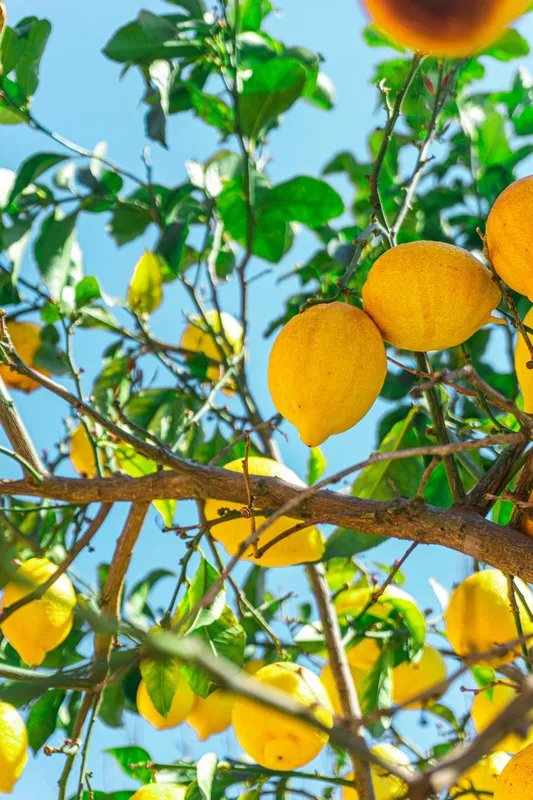
But then your tree blooms, and your entire apartment smells like heaven. And then a tiny green fruit appears where a flower used to be. And six months later, you pick a ripe, golden Meyer lemon from a tree in your living room, and you realize that grocery store lemons will never be the same.
My kids think it’s magic. Honestly, some days I do too.
Quick Care Reference
- Botanical name: Citrus x meyeri
- Light: 8-12 hours direct sun; supplement with grow lights in winter
- Water: When top 1-2 inches of soil are dry; water deeply, drain fully
- Humidity: 50% or higher; use a humidifier in winter
- Temperature: 55-85 degrees Fahrenheit; keep away from cold drafts
- Soil: Well-draining citrus mix or potting soil with 30% perlite
- Fertilizer: Citrus-specific fertilizer every 4-6 weeks spring through fall
- Pot: 12-16 inch diameter with drainage holes; size up gradually
- Pollination: Hand-pollinate with a small brush when flowering
- Fruiting time: 6-9 months from flower to ripe fruit
- Difficulty: Intermediate - more demanding than typical houseplants, but very doable
What to Try Next
If you catch the indoor citrus bug (and you probably will), look into calamansi limes or kumquat trees - both do well indoors and are staples in Asian cooking. And if you’re growing herbs alongside your lemon tree, that south-facing window is about to become the most productive corner of your home.