Maidenhair Fern Care: The Most Dramatic Plant You Will Ever Love
Let me be upfront with you. Maidenhair ferns (Adiantum raddianum) are not easy plants. They are gorgeous, delicate, and will absolutely crisp up on you if you look at them wrong.
I have killed three of them. The first one lasted two weeks on my desk before it turned into a sad pile of brown confetti. The second one made it a month in my living room before I forgot to water it for literally one day and it never recovered. The third one, though - the third one is still alive. It lives in my bathroom, and it is the most beautiful thing in there besides my kids’ rubber ducky collection.
So if you are thinking about getting a maidenhair fern, I am not going to sugarcoat it. But I am going to tell you exactly what you need to do to keep one happy.
What Makes Maidenhair Ferns So Special
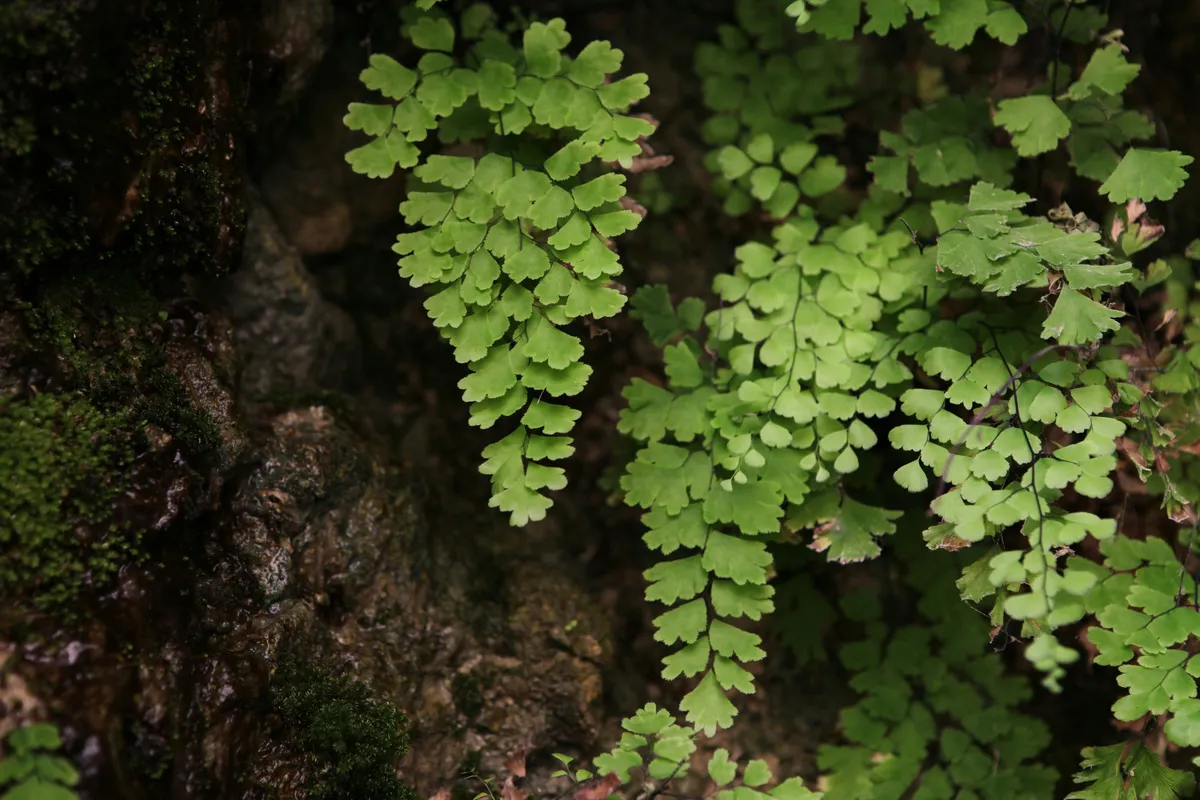
Before we get into the care stuff, let me just say - there is a reason people keep trying with these plants even after they fail. Maidenhair ferns have these impossibly delicate, fan-shaped leaves on thin, wiry black stems. They look like something from a fairy garden. When light catches the fronds just right, the leaves are almost translucent.
The name “maidenhair” actually comes from the dark, shiny stems that supposedly resemble hair. The Latin name Adiantum means “unwetted” because water rolls right off those tiny leaves. Pretty cool for a plant that demands constant moisture.
There are over 200 species of Adiantum, but the one you will most commonly find at nurseries is Adiantum raddianum, sometimes called the delta maidenhair fern. Other popular varieties include Adiantum capillus-veneris (the Southern maidenhair) and Adiantum pedatum (the Northern maidenhair, which is actually native to eastern North America).
Light Requirements
Here is where most people mess up right out of the gate. Maidenhair ferns want bright, indirect light - but absolutely no direct sun. Even an hour of direct afternoon sun can scorch those paper-thin fronds.
Best spots:
- A north-facing window with good ambient light
- A few feet back from an east-facing window
- A bathroom with a frosted window (my personal winner)
- Near a window with sheer curtains filtering the light
Signs your fern needs more light:
- Leggy, stretched-out growth
- Pale, washed-out leaf color
- Slow or stalled growth
- Fronds that are smaller than usual
Signs of too much light:
- Bleached or scorched frond edges
- Crispy leaves that are not caused by low humidity
- Leaves curling inward to protect themselves
Think of it this way - in nature, maidenhair ferns grow on forest floors, in rock crevices near waterfalls, and in the shade of larger plants. They want the kind of light you get under a tree canopy. Bright enough to read a book comfortably, but never harsh.
Watering - The Make or Break Factor
Okay, this is the big one. If you take nothing else from this post, take this: maidenhair ferns cannot dry out. Not even once. Not even a little.
Most houseplants are pretty forgiving if you forget to water them for a few days. Pothos? They will droop dramatically but bounce right back. Snake plants? They practically thrive on neglect. Maidenhair ferns are not like that. If the soil dries out even briefly, the fronds will turn brown and crispy within a day - and unlike most plants, those damaged fronds will not recover when you water again.
How to water properly:
- Check the soil every single day. I am not exaggerating. Every day.
- Water when the top of the soil feels barely dry to the touch. Do not wait until it is dry an inch down.
- Water thoroughly until it drains from the bottom.
- Empty the saucer after 15-20 minutes. You want moist soil, not swampy soil.
- Consider bottom watering - set the pot in a shallow dish of water for 10-15 minutes and let it wick up moisture evenly.
The plastic pot trick:
Keep your maidenhair in a plastic nursery pot inside a decorative cache pot. This helps retain moisture better than terracotta (which wicks moisture away from the soil) and makes it easy to check on the roots and water thoroughly.
My personal routine: I check my bathroom maidenhair every morning when I brush my teeth. It takes five seconds to poke the soil. If it feels even slightly dry on top, it gets a drink. This habit has kept my fern alive for over a year now, which I consider a major personal achievement.
Humidity - Non-Negotiable
Maidenhair ferns need humidity levels of at least 50-60%, and they are happiest around 70-80%. For reference, most homes sit around 30-40% humidity, which is basically a desert as far as your fern is concerned.
How to boost humidity:
- Bathroom placement. This is my number one recommendation. The steam from daily showers keeps humidity naturally high. My maidenhair sits on the windowsill in our bathroom and it has never been happier.
- Humidifier. If your fern lives outside the bathroom, run a small humidifier nearby. This is the most reliable method.
- Pebble tray. Fill a tray with pebbles and water, then set the pot on top. As the water evaporates, it creates a little humidity bubble around the plant. It helps, but it is not a miracle worker.
- Group plants together. Plants release moisture through transpiration, so clustering several plants creates a slightly more humid microclimate.
- Terrarium or cloche. Some people grow maidenhair ferns in open terrariums or under glass cloches. This traps humidity beautifully, but you need to watch for air circulation to prevent mold.
Skip the misting. I know everyone says to mist your ferns. Misting raises humidity for about five minutes and then it is gone. It is not enough. Invest in a humidifier or put your fern in the bathroom. Your plant will thank you.
Soil and Potting
Maidenhair ferns want soil that holds moisture but does not get soggy. That sounds contradictory, but here is what works:
- Mix: Equal parts standard potting mix and peat moss (or coco coir if you prefer a more sustainable option). Add a handful of perlite for drainage.
- pH: Slightly acidic to neutral (6.0-7.0). Most standard mixes fall in this range naturally.
- Pot choice: Plastic pots retain moisture better than terracotta. Make sure there are drainage holes.
- Pot size: Maidenhair ferns have shallow root systems, so they do not need deep pots. A wide, shallow pot works well.
Repot every 1-2 years in spring when the roots start filling the pot. Go up only one pot size - these ferns do not like swimming in excess soil.
Temperature
Maidenhair ferns prefer temperatures between 60-75F (15-24C). They are not fans of extremes in either direction.
Watch out for:
- Cold drafts from windows or doors in winter
- Hot, dry air from heating vents and radiators
- Air conditioning blowing directly on the plant
- Sudden temperature swings
If your home stays within a comfortable human temperature range, your fern should be fine. Think of it this way - if you are comfortable in a t-shirt, your maidenhair fern is probably comfortable too.
Fertilizing
Go easy on fertilizer. Maidenhair ferns are light feeders and their delicate roots burn easily from too much fertilizer.
- Feed once a month during spring and summer with a balanced liquid fertilizer diluted to half strength.
- Skip fertilizing entirely in fall and winter when growth slows.
- If you see brown leaf tips after fertilizing, you are overdoing it. Flush the soil with plain water and cut back.
Honestly, if you are keeping up with consistent watering and the soil has some organic matter in it, your fern may not need much fertilizer at all. I fertilize mine maybe four times a year total.
Common Problems and Fixes
Crispy, Brown Fronds
This is the number one complaint. Causes include:
- Soil dried out (even briefly)
- Humidity too low
- Too much direct sun
- Drafts from heating or cooling vents
- Overfertilizing
Fix: Trim off all the dead fronds at the base with clean scissors. Soak the soil thoroughly. Move the plant to a more humid location. New fronds should emerge from the base within a few weeks if the roots are still healthy.
Yellowing Fronds
- Overwatering (soil is waterlogged, not just moist)
- Too little light
- Natural aging of older fronds (some yellowing at the base is normal)
Fix: Check drainage. Make sure water is not sitting in the saucer. Improve light if the plant is in a dark corner.
Leggy, Sparse Growth
- Not enough light
- Needs fertilizer
- Root bound
Fix: Move to brighter indirect light. Feed lightly. Check if it needs repotting.
No New Growth
- Too cold
- Dormancy in winter (normal)
- Root issues
Fix: Check the roots for rot. Ensure temperatures are above 60F. Be patient in winter - maidenhair ferns slow down naturally.
The Nuclear Option - Reviving a Crispy Fern
Let me be real - if your maidenhair fern has gone fully crispy, most of the above-ground growth is done for. But do not throw it out yet. Here is what to do:
- Cut off every single brown, crispy frond down to the soil line. Yes, all of them. Your pot will look empty and sad. That is okay.
- Soak the entire root ball in water for 15-20 minutes.
- Move the pot to a spot with bright indirect light and high humidity.
- Keep the soil consistently moist (not wet) and be patient.
- If the roots are still alive, you should see tiny new fiddleheads - those tightly curled baby fronds - poking up within 2-4 weeks.
I have revived a fern this way once. It took about two months to look like a real plant again, but it came back. These ferns are surprisingly resilient underground even when the top growth looks completely dead.
My Honest Take
Maidenhair ferns are high-maintenance. There is no getting around it. They need more attention than most houseplants, and they will punish you swiftly for any neglect.
But here is the thing - once you crack the code, they are incredibly rewarding. There is something meditative about checking on a plant every day. My morning routine of poking the soil and admiring new unfurling fronds has become a little moment of calm before the kids wake up and chaos begins.
If you are a set-it-and-forget-it plant person, a maidenhair fern is not for you. Get a pothos or a snake plant and be happy. But if you enjoy the daily ritual of plant care - if you like the challenge - a maidenhair fern is one of the most beautiful plants you can grow indoors.
Start with the bathroom. Keep the soil moist. Give it humidity. And do not beat yourself up when you inevitably crisp one. We have all been there.
Quick Care Cheat Sheet
- Light: Bright indirect, no direct sun
- Water: Keep soil consistently moist, check daily
- Humidity: 50-80%, higher is better
- Temperature: 60-75F (15-24C)
- Soil: Moisture-retentive but well-draining, slightly acidic
- Fertilizer: Half-strength balanced feed, monthly in growing season
- Difficulty: Intermediate to advanced
- Pet safe: Yes - maidenhair ferns are non-toxic to cats and dogs