How a Bundle of Grocery Store Lemongrass Became My Backyard Colony
The first time I grew lemongrass on purpose, it was an accident.
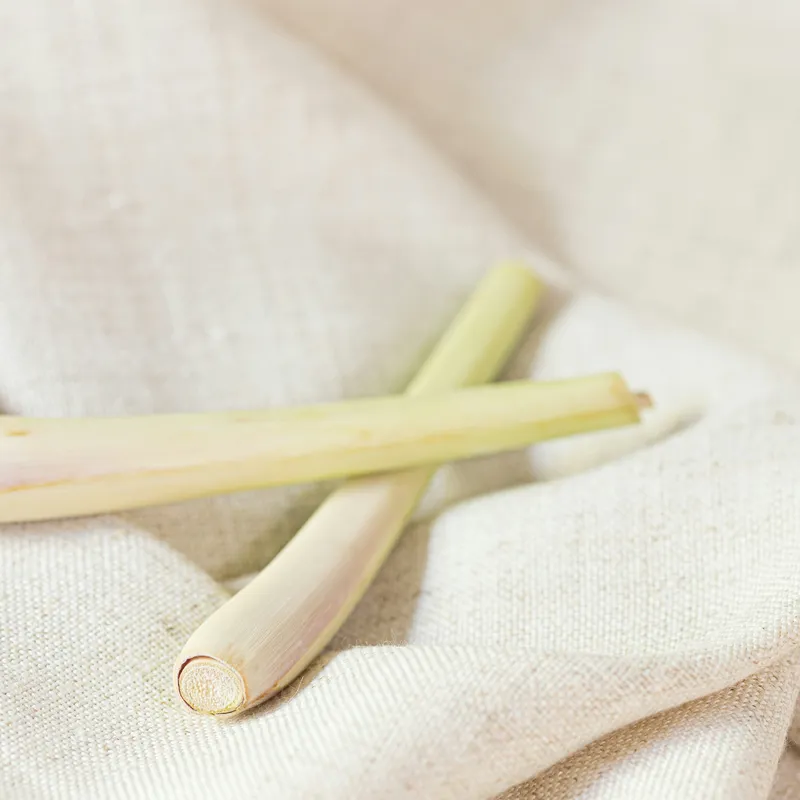
I was at the Asian grocery store - the kind with fluorescent lights and a produce section that smells like cilantro and overripe durian - picking up the usual: bok choy, Thai basil, a bag of jasmine rice. I grabbed a bundle of lemongrass stalks for a pot of tom kha gai I was planning. Three bucks. No big deal.
When I got home, I used two stalks for the soup and left the rest on the counter. They sat there for three days. By the time I remembered them, the bottoms had started to dry out. I felt guilty throwing them away (my mom’s voice in my head: “Don’t waste food”), so I stuck them in a jar of water on the windowsill.
Two weeks later, they had roots.
That was three years ago. I now have a lemongrass patch that produces more stalks than my family can use, and I’ve become the guy in the neighborhood who hands out lemongrass like my dad used to hand out tomatoes. Full circle, I guess.
The Smell That Takes You Home
Here’s something I didn’t expect about growing lemongrass: the smell hits different when it’s growing in your yard versus sitting in a grocery bag.
When you brush against a living lemongrass plant, it releases this bright, citrusy fragrance that’s impossible to ignore. It smells like my grandmother’s kitchen on a Sunday afternoon, when she’d be making a big pot of something that required smashing lemongrass stalks with the flat of a cleaver. That satisfying crack, the burst of fragrance, the way she’d toss the bruised stalks into the pot without measuring anything.
In Chinese cooking, lemongrass (xiang mao) shows up in herbal soups and teas. My family used it more in the Cantonese tradition - simmered into broths that were supposed to help with digestion and “cool the body down” during summer. Whether the traditional medicine claims hold up to modern science is debatable, but I can tell you this: a cup of lemongrass tea on a hot day is one of life’s simple pleasures.
Growing up, I didn’t appreciate any of this. Lemongrass was just that weird grass-looking thing my parents bought at the store. Now I’m 35, I have my own kitchen, my own kids, and suddenly I understand why my mom always had a stash of it in the fridge.
Starting From Store-Bought Stalks
The beautiful thing about lemongrass is that you don’t need to buy seeds, find a nursery, or order anything online. You just need to visit your nearest Asian grocery store.
Here’s what to look for when you’re picking stalks for growing:
Choose stalks that are firm and heavy, not dried out or papery. The bottom bulb should be intact - that’s where the magic happens. If you can see tiny root nubs at the base, even better. Avoid stalks that have been trimmed too aggressively at the bottom, because you need that basal plate (the flat disc at the very bottom) to be undamaged for roots to grow.
Peel off any dead or dried outer layers. You want to expose the fresh, pale green or white interior. Then stick them bulb-down in a glass or jar with about an inch of water. Put them somewhere sunny - a kitchen windowsill is perfect.
Now comes the hard part: waiting. Change the water every day or two to prevent mold and bacteria. After about a week, you should see tiny white roots emerging from the base. New green shoots will start pushing out from the center of the stalk.
Don’t rush to plant them. Let the roots grow to at least two or three inches long. This usually takes two to four weeks, sometimes longer if your house is cool. Lemongrass likes warmth, so if it’s winter, consider putting the jar near a warm spot but still in good light.
Moving to Soil
Once your stalks have a healthy root system, it’s time to pot them up. Lemongrass is not fussy about soil, but it does appreciate rich, well-draining potting mix. I mix standard potting soil with a handful of compost and a little perlite. Nothing fancy.
For containers, bigger is better. A single stalk can go in a three-gallon pot, but if you’re planting several together (which I recommend - it looks better and you’ll get a bigger harvest), go for at least a five-gallon container. I use those big black nursery pots because they absorb heat, which lemongrass loves.
Plant the stalks so the root ball is buried and the crown sits just below the soil surface. Water thoroughly after planting. Then put the pot in the sunniest spot you have.
And I mean the sunniest. Lemongrass is a tropical grass (Cymbopogon citratus, if you want to sound impressive at dinner parties) that evolved in the heat of Southeast Asia. It wants at least six hours of direct sun, and it’ll take eight or more without complaining. If your yard has a south-facing spot that bakes in the summer, that’s your lemongrass spot.
The Care Routine (It’s Embarrassingly Easy)
This is the part where most plant care guides have a long, complicated section about specific watering schedules and fertilizer ratios. Lemongrass doesn’t need that.
Water it when the top inch of soil feels dry. In the heat of summer, that might be every day. In cooler weather, maybe twice a week. Lemongrass likes consistent moisture but isn’t dramatic about it the way a calathea is. If you forget to water for a few days, the leaf tips might brown, but the plant will bounce right back.
For feeding, I give mine a balanced liquid fertilizer once a month during the growing season (spring through early fall). That’s it. Lemongrass is a grass - it wants to grow. You don’t need to coax it.
The one thing you do need to watch is temperature. Lemongrass stops growing when temperatures drop below 50 degrees Fahrenheit, and it won’t survive a frost. Here in New York, that means my lemongrass lives outside from May through September and comes inside for the winter. I move the pots into the garage near a window. The plants go semi-dormant, looking a bit sad and brown at the tips, but they wake right back up when warm weather returns.
If you’re in USDA zones 9 or warmer, you can grow lemongrass as a perennial right in the ground. Lucky you.
Harvesting Without Guilt
One of my favorite things about lemongrass is that harvesting it actually helps the plant. When you cut or pull a stalk, the plant responds by sending up new shoots from the base. It’s like giving it a haircut that makes it bushier.
To harvest, grab a stalk near the base and twist it off, or cut it at soil level with a sharp knife. The bottom four to six inches is the part you use for cooking - that’s where the flavor and oils are concentrated. The upper leafy parts are tough and fibrous, but don’t throw them away. They make excellent tea (just steep a few pieces in boiling water for five minutes) or you can toss them into soups and broths for flavor, pulling them out before serving.
By midsummer, my patch produces enough that I’m harvesting several stalks a week and the plant just keeps filling in. I freeze extra stalks in zip-lock bags. They keep for months in the freezer and thaw quickly. My wife uses them for pho broth. I use them for Thai curries and stir-fries. My mom, when she visits, just nods approvingly at the patch and takes a bag home.
That approving nod, by the way, is the highest compliment in my family.
What Can Go Wrong
Not much, honestly. Lemongrass is one of the most forgiving plants I’ve grown. But here are a few things to watch for:
Brown leaf tips are the most common issue, and they’re almost always caused by underwatering or low humidity. Trim the brown parts off with scissors and water more consistently. It’s cosmetic, not fatal.
If your lemongrass isn’t growing much, it’s probably not getting enough sun or warmth. Move it to a sunnier spot. If it’s early spring and still cool, just be patient - it’ll take off once temperatures climb.
Pests are rare, but I’ve occasionally seen aphids on the tender new growth. A strong spray of water from the hose knocks them right off. I’ve never needed to use any kind of pesticide on my lemongrass.
Root rot can happen if you’re overwatering in a pot with poor drainage. Make sure your container has drainage holes and your soil isn’t staying soggy. This is the one way you can actually kill lemongrass - drowning it.
The Part Where I Get Sentimental
Last summer, my five-year-old asked me what “that tall grass” was in the backyard. I pulled off a leaf, crushed it between my fingers, and held it up to her nose.
“Lemongrass,” I said. “Smell.”
She scrunched up her face, then grinned. “It smells like the soup Nai Nai makes!”
And there it was. That same thread of flavor and memory connecting her to my mom’s kitchen, and my mom’s kitchen to my grandmother’s, and probably further back than anyone remembers. All from a three-dollar bundle I almost threw away.
I grow a lot of plants. Some of them are rare and finicky and make me feel clever when they thrive. But lemongrass is the one that makes me feel connected. It doesn’t ask for much. It grows fast. It feeds my family food that tastes like home.
If you’ve got a sunny spot and access to an Asian grocery store, give it a try. Worst case, you’ve spent three bucks and learned something. Best case, you’ll be handing out lemongrass to your neighbors in six months, wondering how you ended up with so much of it.
Just like your parents would have wanted.
Quick Reference
- Plant type: Tropical perennial grass (Cymbopogon citratus)
- Sun: Full sun, at least 6 hours direct
- Water: Keep soil evenly moist, not soggy
- Soil: Rich, well-draining potting mix
- Feeding: Balanced fertilizer monthly during growing season
- Hardiness: USDA zones 9-11 outdoors year-round; bring indoors below 50 degrees F
- Time to harvest: 2-4 months from planting
- Difficulty: Beginner-friendly