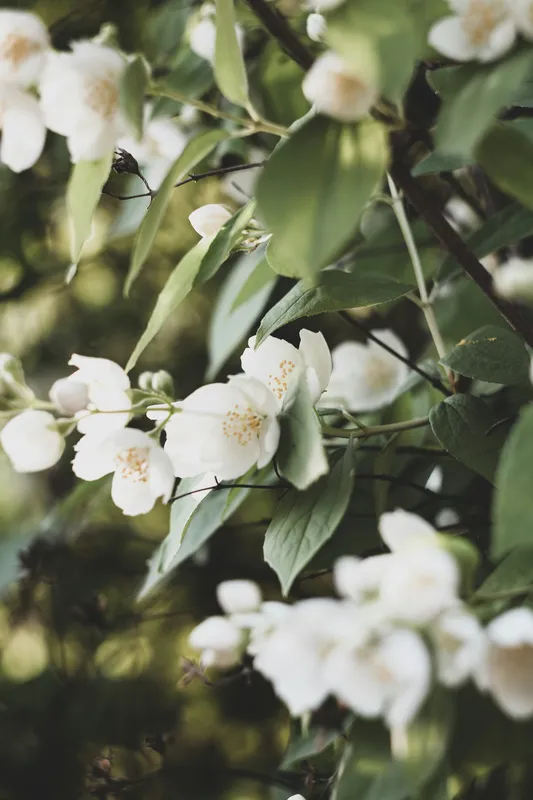
The Jasmine Plant My Mom Always Had on the Windowsill
There are smells that take you somewhere instantly. Fresh rice in a rice cooker. Tiger Balm. Moth balls in a suitcase that just came back from China.
For me, jasmine is the one that hits hardest. Not jasmine perfume or jasmine candles - those are close but never quite right. I mean the real thing. The warm, sweet, slightly green scent of actual jasmine flowers opening on a plant that has no business thriving in a Queens apartment but somehow does anyway.
My mom has kept a jasmine plant on her kitchen windowsill for as long as I can remember. Different plants over the years, sure - some made it, some didn’t - but there was always one there. A small pot of Jasminum sambac, sometimes called Arabian jasmine or mo li hua in Mandarin, sitting where the afternoon sun hits hardest, quietly doing its thing.
More Than Just a Pretty Plant
If you grew up in a Chinese household, you probably know jasmine as a tea thing. Jasmine tea - mo li hua cha - is everywhere. It’s the tea you get at dim sum before you even order. It’s the tea your grandma brewed so strong it could wake the dead. It’s the tea that means “sit down, you just got here.”
Jasmine has been part of Chinese culture for over two thousand years, introduced from South Asia during the Han dynasty and eventually becoming inseparable from tea culture, especially in southern China. In Fuzhou, they call it the City of Jasmine. The flowers aren’t just for tea, either. They symbolize purity and elegance in Chinese tradition, and serving jasmine tea to guests is a gesture of welcome and respect.
My mom didn’t explain any of this when I was a kid. She just had the plant. She just made the tea. It was just what we did. The cultural weight of it didn’t hit me until I was older, living on my own, and missing the smell of home without being able to name exactly what I was missing.
Turns out it was jasmine.
Getting My Own Plant
I bought my first Jasminum sambac at a garden center in Brooklyn about three years ago. It was maybe six inches tall, in a plastic nursery pot, with a few tight buds that hadn’t opened yet. I brought it home, put it on the south-facing windowsill in our living room, and waited.
When those first flowers opened, my wife looked at me like I was crazy because I literally stood there sniffing a plant for five minutes straight. But if you’ve ever smelled fresh jasmine blooms, you get it. It’s intoxicating. Sweet, warm, almost tropical, with a richness that no candle company has figured out how to replicate.
My two-year-old daughter now points at it and says “flower” every morning. And I think about my mom in her kitchen, and how these little rituals travel between generations without anyone planning them.
How to Actually Keep Jasmine Alive Indoors
OK, the sentimental stuff is real, but let’s be practical. Jasmine indoors is not the easiest plant to grow. I want to be upfront about that. It’s not a pothos or a snake plant that thrives on neglect. Jasmine has opinions, and it will let you know when it’s unhappy.
Here’s what I’ve learned through a mix of research and killing a few plants:
Light - Give It Everything You’ve Got
Jasmine sambac needs bright, direct light. We’re talking at least 4-6 hours of direct sun per day, and more is better. A south-facing window is ideal. East-facing can work if it gets strong morning light. North-facing? Don’t even try it.
If your apartment doesn’t get great light (welcome to New York City), a grow light can help. I ran one during our first winter and it made a real difference.
Without enough light, jasmine won’t flower. And if it’s not flowering, you’re just growing a scraggly green bush - which, honestly, is fine too, but you’re missing the best part.
Water - Consistent but Not Soggy
Jasmine likes to stay evenly moist during the growing season (spring through fall). That means watering when the top inch or so of soil feels dry. In summer, that might be every 3-4 days. In winter, back off to once a week or even less.
The biggest mistake I made early on was overwatering in winter. Jasmine goes semi-dormant when days get short, and soggy soil in a cool room is a recipe for root rot. Let it dry out more between waterings from November through February.
Use room temperature water if you can. Cold water straight from the tap can shock the roots, especially in winter.
Soil - Light and Well-Draining
Standard well-draining potting mix works great. I mix regular potting soil with about 20% perlite to improve drainage. Jasmine doesn’t need anything fancy - it just doesn’t want to sit in water.
Repot every 2-3 years in spring, going up one pot size. Jasmine blooms better when slightly rootbound, so don’t rush to upsize.
Humidity - The Silent Killer
This is where indoor jasmine gets tricky, especially in winter. Jasmine prefers 50-80% humidity. Your apartment in January? Probably 20-30% if the heat is cranking.
A pebble tray with water underneath the pot helps. Grouping it with other plants helps. Running a humidifier in the room helps the most. I keep a small one near my plant shelf from October through March.
If you see leaves dropping or buds falling off before they open, humidity is probably the issue.
Temperature - Cool Nights Help
Here’s a tip most care guides don’t emphasize enough: jasmine benefits from a temperature drop at night. A difference of about 10-15 degrees between day and night temperatures can actually encourage blooming.
In practical terms, this means keeping it near a window where it naturally gets cooler at night is better than keeping it in the warmest spot in your home. Just don’t let it get below 50 degrees Fahrenheit. Jasmine is tropical and won’t tolerate frost.
Feeding
During the growing season (April through September), feed every 2-3 weeks with a balanced liquid fertilizer diluted to half strength. Something with a higher phosphorus number (the middle number in N-P-K) can encourage more blooms.
Stop fertilizing completely in fall and winter. The plant is resting.
Common Problems (And How I’ve Dealt With Them)
Buds dropping before opening: Usually a humidity or temperature issue. Check both. Also, avoid moving the plant once buds form - jasmine doesn’t like being relocated mid-bloom.
Yellow leaves: Overwatering is the most common cause. Check the soil. If it’s soggy, let it dry out and reduce your watering frequency. Could also be a nutrient deficiency if you haven’t fertilized in a while.
No flowers at all: Not enough light. Full stop. Move it to your brightest window. If that’s not bright enough, add a grow light. Jasmine also needs that winter rest period with cooler temperatures to set buds for the next season.
Leggy, sparse growth: Prune it. Jasmine responds well to pruning and will branch out from where you cut. Prune after the main flowering flush in late summer. Don’t be shy - you can cut it back by a third and it’ll come back bushier.
Pests: Mealybugs and spider mites love jasmine. Check the undersides of leaves regularly. Neem oil spray works for mild infestations. For mealybugs, a cotton swab dipped in rubbing alcohol and dabbed directly on them is satisfying and effective.
The Jasmine Tea Connection
One of my favorite things to do when the plant is blooming is pick a few fresh flowers and drop them into a cup of green tea. Just the flowers, hot water, and whatever green tea you have on hand. Let it steep for a few minutes.
It’s not the same as commercially processed jasmine tea, where the tea leaves are scented with jasmine over multiple sessions. But it’s close enough, and there’s something special about making it from flowers you grew yourself on your windowsill in the same city where your parents started their life in America.
My mom thinks it’s funny that I make such a big deal out of it. “It’s just tea,” she says. But she smiles when she says it.
Starting Your Own Jasmine Tradition
If you want to grow jasmine indoors, here’s my honest take: it’s a medium-difficulty plant. Harder than pothos, easier than orchids (once you figure out what it wants). The main challenges are light and humidity, which are the two things most apartments are short on.
But if you can give it a sunny window, consistent water, and a little extra humidity in winter, jasmine will reward you with flowers that smell like nothing else. And if you’re like me - if that scent connects you to somewhere or someone - it’s worth the extra effort.
Start with Jasminum sambac specifically. It’s the most common jasmine for indoor growing, it’s the species used for jasmine tea, and it’s the one that flowers most reliably indoors. You can find them at garden centers, online nurseries, or sometimes at Asian grocery stores in spring.
Put it on your windowsill. Give it some sun. Let it bloom. And maybe pour some hot water over those flowers and just sit with the smell for a minute.
Some things are worth the trouble.