Indoor Bonsai for Beginners: Growing a Tiny Tree Without Losing Your Mind
I will be honest with you. For years, I thought bonsai was something only retired monks and people with infinite patience could pull off. The tiny trees looked so delicate, so precise, so easy to accidentally kill.
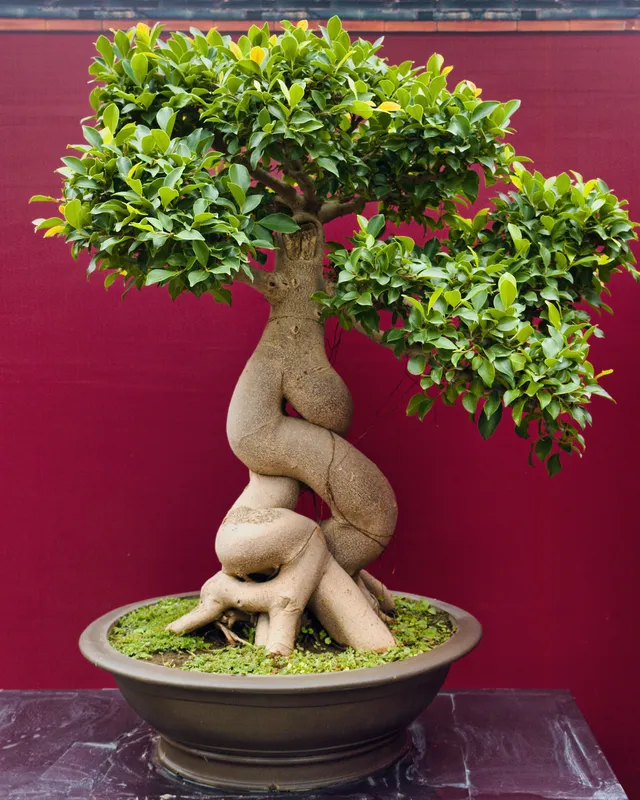
Then my dad brought one home from Chinatown - a little ficus in a shallow blue ceramic pot. He set it on the windowsill next to his collection of takeout menus and promptly forgot about it for two weeks. It survived. It more than survived. It thrived.
That was my first lesson in bonsai: it is not as scary as it looks.
A Quick Note on History (Because It Is Cool)
Most people associate bonsai with Japan, but the art actually started in China over 2,000 years ago. The Chinese call it penjing - literally “tray scenery.” While Japanese bonsai focuses on perfecting a single tree, Chinese penjing often includes rocks, water features, and even tiny figurines to create miniature landscapes.
My grandmother had a small penjing arrangement with a twisted juniper and a ceramic fisherman sitting on a rock. I thought it was the coolest thing in the world when I was five. I still think it is pretty cool at thirty-five.
The point is, if you are of Asian descent, there is a decent chance this art form is already part of your cultural heritage. And if you are not, that is fine too. Good plants do not care about your background.
Can You Really Grow Bonsai Indoors?
Here is the thing most bonsai purists will tell you: traditional bonsai species like junipers, maples, and pines need to live outside. They need seasonal temperature changes and dormancy periods.
That is true. But there are also tropical and subtropical species that do great indoors, especially if you can give them a bright window. These are the ones we are going to focus on, because I am guessing you live in an apartment and do not have a backyard zen garden. Same, honestly.
The Best Beginner Indoor Bonsai Species
Ficus Bonsai (Ficus retusa or Ficus microcarpa)
This is the one I recommend to everyone starting out. It is the golden retriever of bonsai trees - forgiving, adaptable, and happy to be wherever you put it.
Ficus bonsai tolerate lower light, bounce back from missed waterings, and do not throw a fit when your apartment humidity drops in winter. They grow aerial roots that look dramatic and ancient over time. My dad’s Chinatown ficus is still going strong eight years later.
Best for: Absolute beginners, apartments with moderate light.
Dwarf Jade (Portulacaria afra)
If you have kept a regular jade plant alive, you can handle this one. Dwarf jade stores water in its thick leaves, so it forgives irregular watering. It is technically a succulent being trained as a bonsai, which means it combines the toughness of succulents with the elegance of bonsai.
Best for: People who forget to water, bright sunny windows.
Chinese Elm (Ulmus parvifolia)
Chinese elm is gorgeous - tiny serrated leaves, beautiful bark that develops a mottled pattern as it ages. It is semi-deciduous, meaning it might drop some leaves in winter indoors, which is normal and not a sign you killed it. It responds well to pruning and shaping, so you get to play “tree barber” more often.
Best for: People who want a more traditional-looking bonsai with small leaves.
Fukien Tea (Carmona retusa)
This one is a little fussier, but it rewards you with tiny white flowers and dark glossy leaves. It wants consistent warmth and humidity, so keep it away from drafty windows and heating vents. If you already keep calatheas alive successfully, you have the skills for a Fukien tea.
Best for: Intermediate plant parents, warm humid rooms.
Hawaiian Umbrella (Schefflera arboricola)
You might already know this plant as the regular schefflera that grows in office lobbies everywhere. The dwarf version makes an excellent bonsai with its small umbrella-shaped leaf clusters. It tolerates low light better than most bonsai species and is quite forgiving overall.
Best for: Low-light apartments, offices, total beginners.
Essential Bonsai Care for Indoor Trees
Light
Your bonsai needs the brightest spot you have. A south-facing window is ideal. East or west-facing works too, but your tree might grow a bit slower.
If your apartment is on the darker side, a small grow light makes a huge difference. Even a basic clip-on LED grow light for about fifteen dollars will keep your ficus or schefflera happy through the winter months. I run one on a timer - twelve hours on, twelve hours off. Set it and forget it.
Watering
This is where most beginners go wrong, and I get it. Bonsai pots are shallow, so the soil dries out faster than your regular houseplant pots.
The golden rule: stick your finger about half an inch into the soil. If it feels dry, water it. If it feels damp, leave it alone. Do not water on a schedule. Do not water because it is Tuesday. Water because the soil tells you to.
When you do water, water thoroughly until it drains out the bottom. Bonsai pots have drainage holes for a reason. If yours does not, you have a decorative pot, not a bonsai pot, and you need to fix that situation immediately.
In summer, you might water every day or every other day. In winter, maybe twice a week. It depends on your tree, your pot size, your humidity, and roughly seventeen other variables. Just check the soil.
Humidity
Most tropical bonsai species want humidity above 40 percent. Your apartment in winter is probably sitting around 25 to 30 percent, which is basically a desert for these trees.
Solutions that actually work: a humidity tray (shallow tray filled with pebbles and water, set the pot on top), grouping plants together, or running a humidifier nearby. Misting does almost nothing - it evaporates in minutes. I know it feels productive, but it is basically giving your tree a light sneeze.
Soil
Bonsai soil is not regular potting mix. It needs to drain fast and provide good airflow to the roots. A basic beginner mix is equal parts akadama (a Japanese clay), pumice, and lava rock. If you cannot find akadama, a mix of perlite, coarse sand, and a small amount of regular potting soil works in a pinch.
You can buy pre-mixed bonsai soil online. For your first tree, this is the way to go. Do not overthink it. You can get nerdy about soil composition later once you are hooked.
Fertilizing
Bonsai trees live in tiny pots with very little soil, which means nutrients get depleted fast. During spring and summer (the growing season), feed every two to four weeks with a balanced liquid fertilizer diluted to half strength.
In winter, cut back to once a month or stop entirely if your tree has slowed its growth. Overfeeding is worse than underfeeding - it can burn roots in that small amount of soil.
Pruning and Shaping
This is the fun part. This is where bonsai becomes an art project instead of just a plant.
Maintenance pruning: Trim back new growth to maintain the tree’s shape. For most species, once a branch has grown six to eight leaves, trim it back to two or three. Use sharp scissors or bonsai shears - do not rip or tear branches.
Structural pruning: Heavier cuts to define the overall shape. Do this in early spring before the growing season. Remove branches that cross each other, grow straight up, or disrupt the tree’s silhouette.
Wiring: Wrapping aluminum or copper wire around branches to bend them into position. This is optional for beginners, but it is how you get those dramatic sweeping shapes. Leave wire on for a few months, then remove it before it cuts into the bark as the branch thickens.
Start with maintenance pruning and get comfortable before you try wiring. There is no rush. Your tree will be around for years.
Common Mistakes (I Have Made All of These)
Watering on a schedule instead of checking soil. I killed my first bonsai by watering it every morning like clockwork. Some mornings it did not need water. Root rot is silent and fast.
Putting it in a dark corner because it looks nice there. Your bonsai does not care about your interior design vision. It cares about photons. Give it the best light you have, not the most aesthetically pleasing location.
Repotting too soon. New bonsai owners get excited and want to repot immediately. Let your tree acclimate for a full growing season first. Repotting stresses the tree, and combining it with the stress of a new environment is a recipe for a dead tree.
Ignoring drainage. If water pools on the surface and takes more than a few seconds to drain, your soil is too dense or your drainage holes are blocked. Fix it before root rot sets in.
Getting intimidated by the “rules.” Bonsai culture can feel gatekeepy sometimes. There are centuries of tradition, specific styles with Japanese names, and people who will tell you your tree is wrong. Ignore them. Your tree is alive and growing and that is what matters.
Your First Month: A Simple Routine
Week 1: Place your new bonsai in the brightest spot in your home. Water when the soil surface feels dry. Resist the urge to prune, repot, or otherwise mess with it.
Week 2: Start observing. How fast does the soil dry out? Are the leaves perky or drooping? Is it getting direct light or just ambient brightness? You are learning your tree’s personality.
Week 3: If new growth is appearing, great. Your tree is happy. If leaves are yellowing or dropping, assess your watering and light situation. Adjust one variable at a time.
Week 4: Now you can do some light maintenance pruning. Trim any obviously overgrown branches. Step back and look at the overall shape. Where do you want this tree to go?
From here, it becomes a weekly rhythm. Check soil, water as needed, trim when growth gets wild, feed during the growing season. That is honestly 90 percent of bonsai care.
Where to Buy Your First Bonsai
Skip the big box stores. Those mallsai (yes, that is a real word bonsai people use) are often unhealthy, glued to rocks, and planted in terrible soil. Instead, look for local bonsai nurseries, Asian garden centers, or reputable online sellers.
If you are in a city with a Chinatown, check the plant shops there. You can often find beautiful, affordable ficus and Chinese elm bonsai that have been properly cared for. That is where my dad found his, and it is where I found mine.
Budget about twenty-five to fifty dollars for a decent starter tree. You do not need to spend hundreds. You need a healthy tree with good roots and a species that works indoors.
What to Do Next
Once your first tree has survived a few months and you have gotten the hang of watering and basic pruning, you are ready to level up. Try wiring a branch. Research the specific bonsai style that appeals to you - formal upright, informal upright, cascade, or windswept. Repot in proper bonsai soil when spring comes around.
And maybe pick up a second tree. Because if there is one thing I have learned from my dad, it is that one is never enough. His windowsill went from one ficus to five assorted bonsai in about a year. Like father, like son, apparently.
The best part about bonsai is that it is genuinely a lifelong hobby. These trees can outlive you if you treat them well. There is something meaningful about tending a living thing that grows on a timescale of decades, especially when the rest of life moves so fast.
Start with one tree. Keep it alive. Everything else follows from there.