Growing Yuzu at Home: The Cold-Hardy Citrus Your Kitchen Deserves
The first time I tasted real yuzu, I was at a ramen shop in Flushing and the chef squeezed a tiny wedge of this bumpy yellow fruit over my bowl. It hit me like a citrus epiphany - not quite lemon, not quite grapefruit, but something brighter and more floral than either. I went home and immediately Googled “can you grow yuzu in New York” and fell down a rabbit hole that ended with me ordering a tree online at midnight. Classic plant dad move.
Here is the thing about yuzu that most people do not realize: it is one of the most cold-hardy citrus trees you can grow. While your Meyer lemon is shivering at 30 degrees, a mature yuzu can handle temperatures down to about 10 to 15 degrees Fahrenheit. That opens the door for growers way outside the usual citrus belt. If you have ever wanted to grow citrus but thought your climate was too cold, yuzu might be your answer.
What Exactly Is Yuzu?
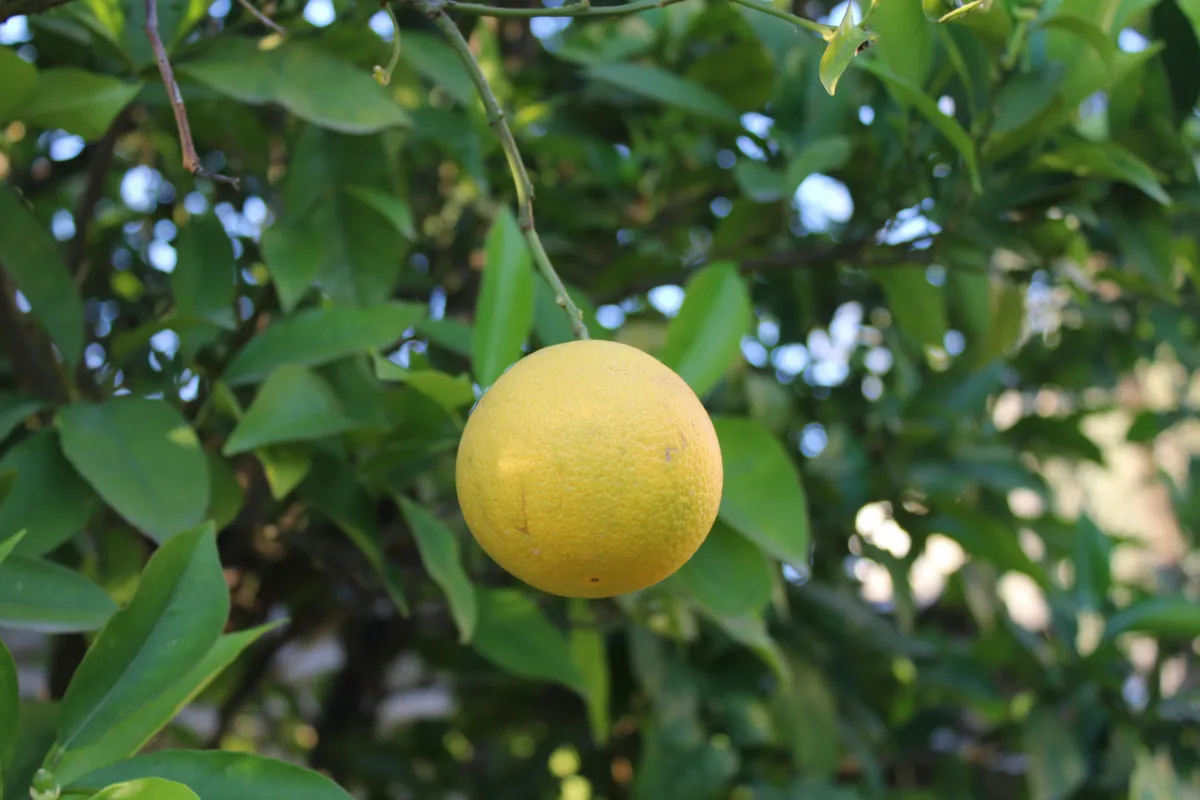
Yuzu (Citrus junos) is a citrus fruit that originated in China and has been cultivated in Japan and Korea for over a thousand years. The fruit looks like a small, bumpy grapefruit - roughly the size of a tangerine with thick, uneven skin that turns from green to golden yellow as it ripens. It is intensely aromatic with a flavor profile that is hard to pin down. Think lemon meets mandarin meets grapefruit, but with this floral, almost herbal quality that is completely its own thing.
In Japan, yuzu is everywhere. The zest and juice show up in ponzu sauce (that tangy dipping sauce you get with shabu-shabu and sashimi), yuzu kosho (a spicy paste made from yuzu peel, chili peppers, and salt), and dozens of desserts, drinks, and marinades. In Korea, the whole fruit gets sliced thin and preserved in honey or sugar to make yuja-cheong, which you stir into hot water for a soothing winter tea called yuja-cha. My wife makes this every winter and it is basically a hug in a mug.
The point is, if you cook any kind of East Asian food - or if you just appreciate incredible flavor - having a yuzu tree at arm’s reach is a game changer.
Choosing Your Tree
Let me save you some time: do not try to grow yuzu from seed unless you have the patience of a Buddhist monk and about ten years to spare. Seed-grown yuzu trees can take eight to thirteen years to fruit. Instead, buy a grafted tree from a reputable nursery. Grafted trees can start producing fruit in just two to four years, which is still a commitment but at least you will not be waiting until your kids are in college.
Look for trees grafted onto trifoliate orange (Poncirus trifoliata) rootstock, which adds extra cold hardiness and keeps the tree at a manageable size. Most online citrus nurseries sell yuzu in one to three gallon pots. Expect to pay somewhere between forty and eighty dollars, which sounds like a lot until you realize that a single yuzu fruit at a specialty grocery store can cost three to five dollars each.
A quick note on varieties: the standard yuzu (sometimes labeled Citrus junos or Yuzu Ichandrin) is the most common and the best choice for home growers. You might also see “Sudachi” or “Kabosu” marketed alongside yuzu - those are related Japanese citrus but they are different species with different growing needs.
Container Growing: Your Best Bet
Unless you live in USDA zones 8 through 11, you are going to want to grow your yuzu in a container so you can bring it inside during winter. Even if you are in zone 8, a container gives you flexibility.
Start with a pot that is about two inches wider than the nursery container your tree came in. A 10 to 14 inch pot works well for a young tree. Make sure it has drainage holes - this is non-negotiable with citrus. Soggy roots are the fastest way to kill any citrus tree, and I say this from painful personal experience with a kumquat that I loved too much and watered too often.
For soil, use a well-draining citrus or cactus mix. You want something chunky with good aeration - think perlite, bark, and pumice mixed in. Avoid regular potting soil by itself because it holds too much moisture. If you want to mix your own, combine equal parts potting soil, perlite, and pine bark fines. Your yuzu will thank you by not dying, which is the best kind of thank you a plant can give.
Plan to repot your yuzu into a larger container every one to two years as it grows. Eventually you will want it in something like a 15 to 20 gallon pot, which is big but still movable if you have a hand truck or a very understanding spouse.
Light Requirements
Yuzu needs a lot of light. We are talking at least six to eight hours of direct sunlight per day. If you are growing it outdoors during the warmer months (and you should - more on that in a minute), this usually is not a problem. Find the sunniest spot on your patio, deck, or balcony and park your tree there.
Indoor growing during winter is where things get tricky. Most of us do not have windows that provide eight hours of direct sun in January. A south-facing window is your best bet, but even then you might want to supplement with a grow light. I keep a full-spectrum LED grow light on a timer for my citrus trees during the winter months and it makes a real difference. Set it for about 10 to 12 hours a day to compensate for the weaker winter sun.
Watering and Humidity
Water your yuzu deeply when the top inch or two of soil feels dry. During the growing season (spring through fall), this might be every few days, especially if your tree is outside in the heat. In winter when growth slows down, you can back off to once a week or less. The key is consistency - yuzu does not like to swing between bone dry and soaking wet.
Citrus trees in general appreciate humidity, and yuzu is no exception. Indoor winter air can be brutally dry, especially if you have forced air heating. Mist your tree a couple of times a week, set it on a pebble tray with water, or run a humidifier nearby. My yuzu sits next to a little humidifier that my kids call “the fog machine” and it keeps things comfortable for everyone.
One thing to watch out for: do not let water sit in the saucer under your pot. Dump it out after watering. I know I keep harping on drainage but overwatering and root rot are genuinely the number one killer of container citrus trees. I have lost plants to this. Learn from my mistakes.
Feeding Your Yuzu
Citrus trees are hungry. During the growing season (March through September-ish), feed your yuzu every four to six weeks with a fertilizer formulated for citrus. These typically have a balanced or slightly nitrogen-heavy ratio plus micronutrients like iron, zinc, and manganese that citrus specifically needs.
Cut back on fertilizing in late fall and winter when the tree is not actively growing. Feeding during dormancy can stress the plant and lead to weak, leggy growth that is vulnerable to cold damage.
If you notice yellowing leaves with green veins, that is usually an iron deficiency - common in citrus, especially when soil pH creeps too high. A dose of chelated iron or an acidifying fertilizer usually fixes it.
The Summer Vacation Strategy
Here is the single best thing you can do for your container yuzu: put it outside for the summer. Once nighttime temperatures are consistently above 50 degrees Fahrenheit (usually mid-May in the NYC area), move your tree outside to a sunny spot.
The combination of natural sunlight, rain, outdoor air circulation, and the temperature differential between day and night does incredible things for citrus trees. Growth accelerates, leaves get thicker, and the tree generally looks happier than it ever does under grow lights.
When you move it out, do it gradually over a week or two. Start in a shaded spot for a few days, then partial sun, then full sun. This prevents leaf scorch from the sudden change in light intensity. Yes, trees can get sunburned. I learned this the hard way when I put my fiddle leaf fig straight into full afternoon sun and it looked like it had been through a wildfire.
Bring the tree back inside in fall before temperatures drop below 40 degrees consistently. Reverse the acclimation process - gradually reduce light exposure over a week before bringing it to its winter spot.
Cold Hardiness: Yuzu’s Superpower
Yuzu’s biggest selling point for northern growers is its cold tolerance. A mature, established yuzu tree (especially one on trifoliate orange rootstock) can survive temperatures down to about 10 to 15 degrees Fahrenheit for brief periods. That is genuinely impressive for a citrus tree. For comparison, most lemons start suffering below 30 degrees.
That said, “survive” and “thrive” are different things. Your yuzu will be happiest in temperatures between 50 and 85 degrees. Prolonged cold below freezing can still damage young growth and flowers. If you are growing in a container, the roots are more exposed than they would be in the ground, so bring it inside well before you are testing those cold limits.
For growers in zones 8 and above who want to plant in the ground, choose a sheltered spot near a south-facing wall that retains heat. Mulch heavily around the base in winter and consider wrapping the trunk with burlap during severe cold snaps.
Patience: The Hardest Part
I will be honest with you. Even with a grafted tree, you are looking at two to four years before your first harvest. The tree needs to get established, build a strong root system, and reach enough maturity to set fruit. During that time, it will reward you with fragrant white flowers in spring (the blossoms smell amazing) and glossy evergreen foliage that looks great year-round.
When fruit does come, yuzu typically ripens from late fall through winter, turning from green to yellow as it matures. A healthy container tree might give you a dozen or two fruits per year, which does not sound like much until you realize how intensely flavored each one is. A single yuzu can flavor an entire batch of ponzu sauce.
Common Problems and How to Fix Them
Leaf drop: Some leaf drop is normal when you move your tree between indoors and outdoors. If it is happening at other times, check for overwatering, underwatering, or sudden temperature changes. Citrus trees are dramatic about environmental shifts.
Scale and spider mites: These are the most common pests for indoor citrus. Check the undersides of leaves regularly. Wipe off scale with a cotton swab dipped in rubbing alcohol. For spider mites, increase humidity and spray with neem oil or insecticidal soap.
No fruit: If your tree flowers but does not set fruit, it might need help with pollination. Indoors, there are no bees doing the work. Take a small paintbrush and gently dab from flower to flower. My kids think this is hilarious and call me “the bee.” I have been called worse.
Yellow leaves: Could be overwatering, nutrient deficiency (especially iron), or natural leaf cycling. Check the soil moisture first, then consider your fertilizing schedule.
What to Do With Your Harvest
When you finally get those gorgeous bumpy fruits, here are some of my favorite ways to use them. The zest is where most of the magic lives - that intensely aromatic oil in the skin is what makes yuzu so special. Grate it over noodles, rice, fish, or salads for an instant flavor upgrade.
Make ponzu by combining yuzu juice with soy sauce, rice vinegar, mirin, and a bit of dashi. It keeps in the fridge for weeks and goes with basically everything.
Try your hand at yuzu kosho - blend yuzu zest with green chili peppers and salt into a paste that will change how you think about condiments. A tiny dab on grilled meat, in soups, or mixed into mayo is transformative.
And of course, there is yuja-cha. Slice the whole fruit thin, remove the seeds, layer it with an equal weight of sugar or honey in a jar, and let it sit in the fridge for a few weeks. Stir a spoonful into hot water whenever you need warming up. My wife insists it cures colds. I am not going to argue with her.
Is Yuzu Worth the Effort?
Growing yuzu is a long game. It requires patience, attention, and the willingness to haul a large pot in and out of your house twice a year. But if you appreciate great ingredients and you find joy in growing things that connect you to a culinary tradition that spans centuries, then yes - absolutely yes.
There is something deeply satisfying about zesting a yuzu you grew yourself over a bowl of homemade ramen. It turns a Tuesday night dinner into something that feels intentional and connected. And every time I smell those flowers in spring, I am back in that ramen shop in Flushing, experiencing that first squeeze of yuzu and thinking, I need to grow this.
So get yourself a tree. Be patient. And in a couple of years, when you are grating fresh yuzu zest over your noodles while your kids ask why you are smiling at a fruit, you will understand.