The Vegetable with the Wrong Name
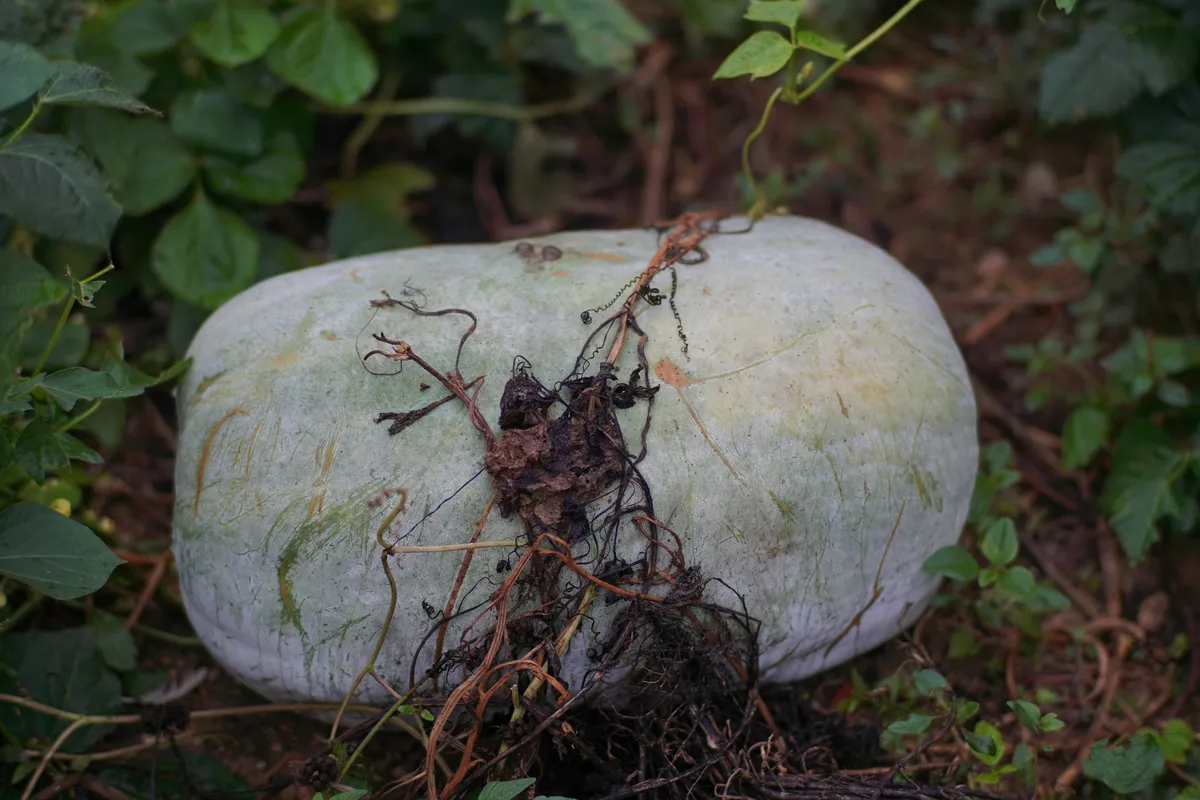
Let me clear something up right away: winter melon is not a winter vegetable. The Chinese name - dong gua - literally translates to “winter melon,” but you grow it in summer and harvest it in fall. The name comes from the waxy white coating that develops on the mature fruit, which looks like frost. Classic misdirection.
If you grew up in a Chinese household, you know dong gua. It is the centerpiece of that light, clear soup your mom made on the hottest days of summer. In Traditional Chinese Medicine, winter melon is considered a cooling food - yin energy that helps your body shed excess heat and dampness. Whether or not you buy into the TCM framework, I can tell you from experience that a bowl of dong gua tang on a humid August afternoon in New York genuinely makes you feel better.
The problem is that winter melon at the grocery store is either sold as a massive whole gourd (these things can weigh 30 pounds or more) or as pre-cut wedges wrapped in plastic that dry out by the time you get home. Growing your own means you can harvest smaller fruits at exactly the size you want, whenever you want them. And honestly, the plant itself is pretty fun to grow - it is basically a giant vine that takes over whatever space you give it.
What Winter Melon Actually Is
Winter melon (Benincasa hispida) goes by a lot of names. Wax gourd, ash gourd, white gourd, dong gua - they are all the same plant. It is a member of the cucurbit family, making it a relative of cucumbers, pumpkins, and watermelons.
The mature fruit develops a thick, hard rind covered in a waxy white bloom. Inside, the flesh is white, mild, and slightly sweet with a texture similar to watermelon rind but softer when cooked. Once cooked, the flesh turns translucent and takes on the flavor of whatever broth or sauce you pair it with. Think of it as the tofu of the gourd world - it is a flavor sponge.
The plant itself is a vigorous vine that can spread 10-15 feet. The leaves are large and slightly hairy, and the yellow flowers look like smaller versions of pumpkin blossoms. Each plant can produce 2-4 large fruits or more smaller ones, depending on variety.
Choosing a Variety
For home gardens, especially if you are working with limited space, look for smaller varieties:
Mini or Round Winter Melon - These produce fruits in the 3-5 pound range, much more manageable than the monsters you see at Asian supermarkets. Perfect for containers and small gardens.
Oblong/Cylindrical varieties - The classic shape you see at Chinese grocery stores. These can get huge (20-40 pounds), so only go this route if you have a lot of garden space and a lot of mouths to feed.
Fuzzy Winter Melon (Mao Gua) - Technically a close relative, harvested young when still fuzzy. Popular in Cantonese cooking. Smaller fruit, shorter growing season.
Look for seeds at Asian grocery stores, specialty seed companies, or online sellers. Search for “dong gua seeds,” “wax gourd seeds,” or “Benincasa hispida.” Varieties labeled “Siam Queen” or “Indian Round” tend to be more compact.
When and Where to Plant
Winter melon needs heat. It is a tropical plant that does not tolerate frost or cold soil. Here is the timing breakdown:
Soil temperature: At least 70 degrees F for direct sowing. Do not rush it. Cold soil means slow germination and weak seedlings.
Start indoors: 3-4 weeks before your last frost date if you want a head start. Use peat pots or biodegradable containers because winter melon roots do not love being disturbed during transplanting.
Direct sow outdoors: 1-2 weeks after your last frost date, once the soil has genuinely warmed up. In the New York area, that usually means late May or early June.
Growing season: Plan for 100-120 days from planting to harvest. In northern climates, starting indoors is almost mandatory to give the fruit enough time to mature before fall.
Sunlight: Full sun, minimum 6-8 hours daily. More is better. This is not a shade plant.
Soil and Planting
Winter melon is a heavy feeder that wants rich, well-drained soil. Here is how to set it up:
Soil prep: Amend your planting area with a generous amount of compost or aged manure. Aim for a soil pH between 6.0 and 7.0. If you are planting in raised beds, mix in extra compost - the vines are going to be pulling a lot of nutrients out of that soil over the next few months.
Spacing: This is where a lot of people underestimate winter melon. The vines spread aggressively. Space plants 4-6 feet apart, with rows at least 6 feet apart if you are doing multiple plants. Yes, really.
Planting depth: Sow seeds about 1 inch deep. Place 2-3 seeds per hole and thin to the strongest seedling once they have a few true leaves.
Container growing: Possible with compact varieties, but you need a big container - at least 15-20 gallons. Use a trellis to grow vertically and save space. Just know that you will need to support the fruit with slings (old t-shirts work great) once they start getting heavy.
Pro tip: Soak seeds in room-temperature water for 24 hours before planting. This softens the seed coat and speeds up germination significantly. My dad always did this and I thought it was just a superstition until I actually tried it both ways. The pre-soaked seeds came up about a week faster.
Watering and Feeding
Think of winter melon like a thirstier cucumber. It wants consistent moisture, especially once the fruit starts developing.
Water: 1-2 inches per week, more during hot spells. Keep the soil evenly moist but not waterlogged. Mulch around the base of the plant to retain moisture and keep the roots cool. Drip irrigation or soaker hoses are ideal because wet leaves can invite fungal problems.
Fertilizing: Start with a balanced fertilizer (10-10-10) when the plant begins to vine. Once you see flowers, switch to something higher in phosphorus and potassium (like a 5-10-10 or tomato fertilizer) to encourage fruit development. Feed every 2-3 weeks during the growing season.
What not to do: Do not over-fertilize with nitrogen once the plant starts flowering. You will get a massive, lush vine with beautiful leaves and zero fruit. I learned this the hard way my first year.
Supporting the Vines
You have two options here:
Ground sprawl: Let the vines run along the ground. Easier but takes up a lot of space. Put straw or cardboard under developing fruit to prevent rot from soil contact.
Vertical trellis: My preferred method, especially for small gardens. Build or buy a sturdy trellis - and I mean sturdy. Winter melon fruit can weigh 5-30 pounds depending on variety. A flimsy tomato cage will not cut it.
For trellised plants, create slings for the fruit once they reach softball size. Cut strips from old t-shirts, mesh bags, or pantyhose and tie them to the trellis to cradle each melon. Check the slings weekly as the fruit grows and adjust as needed.
Pollination
Like all cucurbits, winter melon produces separate male and female flowers on the same plant. Male flowers appear first (they have a straight stem), followed by female flowers (which have a tiny swelling at the base that looks like a mini fruit).
Bees usually handle pollination, but if you are growing on a balcony or in an area with few pollinators, you might need to hand-pollinate. Use a small paintbrush or cotton swab to transfer pollen from a male flower to the center of a female flower. Do this in the morning when the flowers are open.
If you notice small fruit forming and then shriveling up and falling off, poor pollination is usually the culprit.
Common Problems
Powdery mildew: The white fuzzy coating on leaves that plagues all cucurbits. Keep foliage dry, ensure good air circulation, and remove affected leaves promptly. A baking soda spray (1 tablespoon per gallon of water with a drop of dish soap) can help prevent it.
Cucumber beetles: These yellow-and-black striped pests love cucurbit family plants. Hand-pick them in the morning when they are sluggish. Row covers can protect young plants, but remove them once flowers appear so pollinators can do their job.
Blossom end rot: Dark, sunken spots on the bottom of the fruit, caused by inconsistent watering and calcium deficiency. Keep watering consistent and add crushed eggshells or garden lime to the soil.
Vine borers: These moth larvae tunnel into the stems and can kill the whole vine. Look for sawdust-like frass at the base of the stem. If you catch it early, you can slit the stem, remove the borer, and mound soil over the wound.
Not fruiting: Usually caused by poor pollination, too much nitrogen, or not enough sun. Check all three before panicking.
Harvesting
Winter melon needs a long growing season - typically 100-120 days from planting. Here is how to know when they are ready:
For mature storage fruit: Wait until the rind develops a hard, waxy bloom (the white coating). The stem should be dry and turning brown. Press your fingernail into the rind - it should not dent easily. Mature winter melon stores incredibly well in a cool, dark place for months. This is another reason for the “winter” name - you harvest in fall and eat it through winter.
For young tender fruit: You can also harvest winter melon young, at about 6-8 inches long, when the skin is still green and tender. Young winter melon is great for stir-fries and has a texture similar to zucchini. No need to peel at this stage.
How to harvest: Use a sharp knife or pruning shears. Leave 2-3 inches of stem attached. Handle carefully - despite the tough rind, winter melon can crack if dropped.
In the Kitchen
This is the part I really care about. Here is what to make with your harvest:
Dong gua tang (winter melon soup): The classic. Simmer chunks of winter melon in a light pork bone or chicken broth with dried shrimp, a few slices of ginger, and some goji berries. The melon turns translucent and silky. My mom always added a handful of dried scallops for umami. This is the soup that tastes like a Chinese summer.
Braised winter melon: Cut into thick slabs, braise with soy sauce, oyster sauce, and a touch of sugar. The flesh absorbs the sauce beautifully.
Winter melon with meatballs: Add pork meatballs to the soup version and you have a complete meal. This was a weeknight staple growing up.
Stir-fried young winter melon: Slice young fruit thin and stir-fry with garlic and a splash of soy sauce. Quick, simple, delicious.
Winter melon tea (dong gua cha): Popular in Taiwan and Southeast Asia. Cook winter melon with brown sugar until syrupy, then dilute with cold water. Refreshing in summer.
Growing Tips for Small Spaces
Not everyone has a sprawling backyard, and that is OK. Here is how to make it work in tight quarters:
- Choose compact or mini varieties specifically bred for containers
- Use a 20-gallon grow bag on a sunny balcony with a strong trellis attached to the railing or wall
- Limit each plant to 2-3 fruit by pinching off extra female flowers. This concentrates the plant’s energy and gives you a better harvest
- Grow vertically whenever possible. A single vine trained up a 6-foot trellis takes up about 2 square feet of floor space
What to Try Next
If you enjoy growing winter melon, you might also like growing luffa (si gua), which is another vigorous Asian cucurbit vine. Bitter melon (ku gua) is another great option if you want to explore more traditional Chinese vegetables. And if you have leftover garden space, bok choy and Chinese long beans make excellent companion plantings that mature on different schedules.
Winter melon is one of those vegetables that connects me directly to my childhood kitchen. Growing it yourself means always having the main ingredient for the soup that, for many of us, just tastes like home.