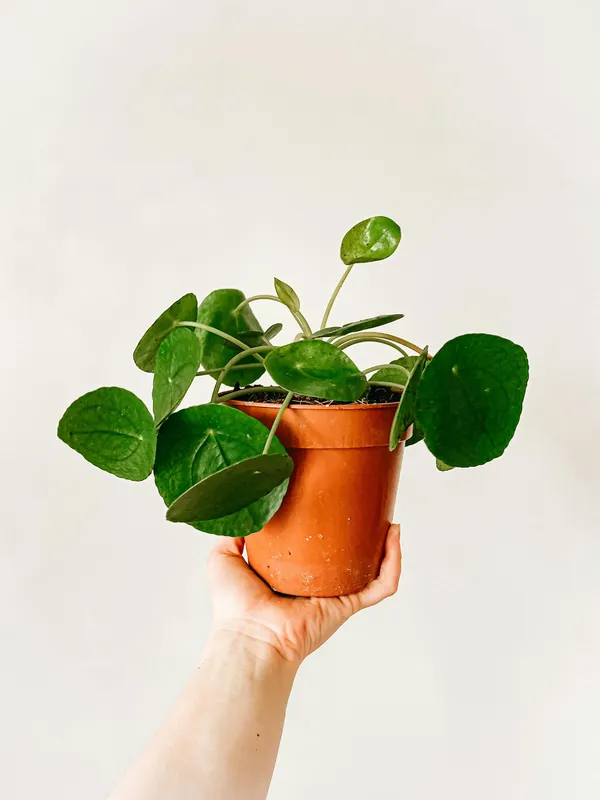
If you have ever wandered through a Chinese grocery store and spotted those beautiful rosettes of dark green, spoon-shaped leaves sitting next to the bok choy, you have probably seen tatsoi. And if you walked right past it, I get it - I did too for years. Bok choy was familiar. Tatsoi was the mysterious cousin nobody talked about at family dinner.
But here is the thing: tatsoi (Brassica rapa subsp. narinosa) might be one of the most beginner-friendly, rewarding greens you can grow at home. It is fast, forgiving, cold-hardy, and absolutely delicious. Once I started growing it, I genuinely wondered why it took me so long.
Let me show you how to get started.
What Exactly Is Tatsoi?
Tatsoi goes by a few names - tat choy, spoon mustard, rosette bok choy - depending on who you ask. It is a member of the Brassica family, which makes it a relative of bok choy, napa cabbage, and broccoli. Originally from China, it has been a staple in East Asian cooking for centuries and eventually spread to Korea and Japan where it became a fixture in local cuisines.
The plant grows in a gorgeous flat rosette pattern, with thick, dark green, spoon-shaped leaves radiating outward from the center. It looks almost like a green flower sitting on the soil. The leaves have a mild, slightly mustard-like flavor - think bok choy with a little more personality. You can eat it raw in salads, toss it in a stir-fry, wilt it into soups, or even blend it into pesto.
Nutritionally, tatsoi punches well above its weight. It is packed with vitamins A, C, and K, plus calcium, potassium, and folate. At roughly 22 calories per 100 grams, you can eat as much as you want without a shred of guilt. My kids are not quite sold on the name, but they will eat it stir-fried with garlic and a little oyster sauce, so I am calling that a win.
Why Tatsoi Is Perfect for Home Gardeners
Before we get into the how, let me tell you why I think tatsoi deserves a spot in more home gardens:
It is fast. From seed to harvest in about 45 days. That is less time than it takes me to finish a video game these days.
It is cold-hardy. Tatsoi can handle light frost and even temperatures down to about 15 degrees Fahrenheit (-9 degrees Celsius). It actually tastes sweeter after a frost, which is a neat trick that most vegetables cannot pull off.
It grows in partial shade. Only 3 to 5 hours of sunlight daily is enough. If your garden has a spot that gets dappled light, tatsoi will be perfectly happy there.
It works in containers. No yard? No problem. Tatsoi’s compact rosette shape makes it ideal for pots on a balcony or even a wide windowsill planter.
It is cut-and-come-again. Harvest the outer leaves and the plant keeps producing from the center. One planting can give you weeks of fresh greens.
When to Plant
Tatsoi is a cool-season crop, which is important to understand upfront. It does not like heat. When temperatures climb above 80 degrees Fahrenheit (27 degrees Celsius), tatsoi will bolt - meaning it sends up a flower stalk, the leaves turn bitter, and the party is basically over.
Your two main planting windows are:
Spring: Sow seeds outdoors about 2 to 3 weeks before your last expected frost date. In the New York area, that usually means late March to mid-April. The soil just needs to be workable.
Fall: This is actually the best time to grow tatsoi. Start seeds about 6 to 8 weeks before your first expected fall frost. In my zone, I am sowing in late August or early September. The cooling temperatures make the leaves more tender and sweet, and you can often harvest well into November or even December with a little row cover protection.
You can also do successive sowings every 2 to 3 weeks during the cool months to keep a continuous supply coming. I learned this the hard way after my first batch all matured at once and I had more tatsoi than any family of four could reasonably eat.
How to Plant Tatsoi
Starting from Seed (Recommended)
Tatsoi grows best from direct sowing. The seeds are tiny - like most brassica seeds - and germinate quickly in cool soil.
-
Prepare your soil. Tatsoi likes well-draining, fertile soil with a pH between 6.0 and 7.0. Work in some compost or aged manure before planting. The plant is a moderate feeder, so rich soil gives it a great head start.
-
Sow seeds shallowly. Plant seeds about 1/4 inch deep. You can scatter them (broadcasting) or plant in rows spaced about 12 to 18 inches apart.
-
Thin the seedlings. Once seedlings are a couple inches tall, thin them to 6 to 8 inches apart. Tatsoi grows outward in that rosette pattern, so it needs room to spread. The thinnings are edible - toss them in a salad.
-
Water gently. Keep the soil consistently moist but not waterlogged during germination. Seeds typically sprout in 4 to 8 days when soil temperatures are between 50 and 80 degrees Fahrenheit.
Growing in Containers
If you are working with limited space - and in New York City, who is not - tatsoi is a fantastic container plant.
Use a pot that is at least 8 inches deep and 12 inches wide. A wide, shallow container works better than a deep narrow one because of how the rosette spreads. Fill it with a good quality potting mix amended with compost. You can fit 2 to 3 plants per 12-inch container.
Make sure there are drainage holes. Tatsoi likes moisture but sitting in soggy soil is a one-way ticket to root rot.
Ongoing Care
Light
Tatsoi is one of those rare vegetables that genuinely does well in partial shade. Full sun (6+ hours) works too, especially in cooler weather, but 3 to 5 hours of direct light is the sweet spot. If you are growing in the peak of spring and your garden gets hammered with afternoon sun, a little shade cloth can help prevent premature bolting.
Water
Aim for about 1 inch of water per week, either from rain or irrigation. Water at the base of the plants rather than overhead to reduce the risk of fungal issues. Consistent moisture is key - tatsoi that dries out and then gets flooded tends to develop tough, bitter leaves.
I check my tatsoi every other day by sticking a finger about an inch into the soil. If it feels dry, it is time to water. Riveting stuff, I know.
Fertilizing
If you started with compost-rich soil, tatsoi usually does not need much extra feeding. For a boost during active growth, you can side-dress with a balanced organic fertilizer or give it a diluted liquid fish emulsion every 2 to 3 weeks. Go easy on nitrogen-heavy fertilizers late in the season - you want the plant putting energy into leaves, not leggy growth.
Mulching
A thin layer of straw or shredded leaf mulch around the plants helps retain moisture, suppress weeds, and keep the soil cool. In fall, mulch also provides a bit of insulation as temperatures drop.
Common Problems (And How to Handle Them)
Flea Beetles
These tiny jumping insects love brassicas and will pepper tatsoi leaves with small round holes. They are more of a cosmetic issue than a fatal one, but heavy infestations can stress young plants. Row covers are your best defense - put them on right after planting and the beetles cannot reach the leaves. Diatomaceous earth sprinkled around the base also helps.
Slugs and Snails
Tatsoi’s low rosette shape sits right at slug level, which is unfortunate. Check under leaves in the morning, use beer traps, or sprinkle iron phosphate-based slug bait around the plants. My daughter once named a slug she found on our tatsoi. We still relocated it.
Aphids
Aphids occasionally show up, especially in warmer weather. A strong spray of water from the hose usually knocks them off. For persistent problems, neem oil or insecticidal soap works well.
Bolting
If your tatsoi sends up a flower stalk, it has bolted. This usually happens when temperatures get too warm or day length increases significantly. Once a plant bolts, the leaves become bitter. The flowers are edible though, so toss them in a salad for a peppery garnish. For prevention, stick to spring and fall planting windows and choose bolt-resistant varieties if you can find them.
Harvesting
This is the fun part. You have two main approaches:
Cut-and-come-again: Start harvesting outer leaves when they are 3 to 4 inches long, usually about 25 to 30 days after planting. Use clean scissors or a sharp knife and cut individual leaves at the base, always leaving the center growing point intact. The plant will keep producing new leaves from the middle for weeks.
Full harvest: Wait about 45 days and cut the entire rosette at the base. This gives you a bigger haul all at once, which is great if you are planning a big stir-fry night.
I usually do a mix - harvesting outer leaves regularly for weeknight dinners and then cutting whole rosettes when I want to make a big batch of something.
How to Use Tatsoi in the Kitchen
Tatsoi is incredibly versatile, which is part of why I love it. Here are some of my favorite ways to use it:
Stir-fried with garlic: The classic. Heat some oil, toss in minced garlic, add the tatsoi, and stir-fry for 2 to 3 minutes until just wilted. A splash of soy sauce and a drizzle of sesame oil at the end. Done. This is the dish that got my kids on board.
In soups: Tatsoi wilts beautifully into hot broth. Drop it into a bowl of ramen, wonton soup, or any clear Asian-style soup in the last minute of cooking.
Raw in salads: Baby tatsoi leaves are tender and mild enough to eat raw. Mix them with other greens, add some sesame dressing, and you have a salad that is way more interesting than your standard spring mix.
Pesto: Blend tatsoi with garlic, pine nuts or cashews, parmesan, and olive oil. The mild mustard flavor adds a nice twist to pasta or spread on toast.
Kimchi and pickles: Tatsoi’s thick leaves hold up well in fermented preparations. If you make kimchi at home, try substituting tatsoi for some or all of the napa cabbage.
Growing Tips from Someone Who Has Messed This Up
A few things I have learned the hard way:
Do not plant in summer. I tried once, thinking “how bad could it be?” It bolted in about two weeks. Lesson learned.
Succession plant. Sow a new batch every 2 to 3 weeks. Future you will appreciate having a steady supply instead of a mountain of greens all at once.
Protect from deer. If you have deer in your area (we do, even in the suburbs), they will find your tatsoi. Row covers or a simple fence goes a long way.
Save seeds. If you let one plant bolt on purpose, you can collect seeds for next season. Tatsoi seeds stay viable for several years when stored in a cool, dry place.
What to Grow Next
If tatsoi clicks for you, there is a whole world of Asian greens waiting to be explored. Try bok choy if you have not already, or branch out to choy sum, gai lan (Chinese broccoli), or mizuna. They all share similar growing conditions, so once you have tatsoi figured out, the rest come naturally.
Growing these greens at home has been one of my favorite parts of gardening. There is something deeply satisfying about cooking a stir-fry with ingredients you grew yourself - especially ones that connect you to the food your family has been eating for generations. My mom always had tatsoi in her kitchen but bought it from the Chinese market. Being able to walk into the backyard and pick it fresh still feels like a small miracle.
Give tatsoi a try this season. Your taste buds - and your garden - will thank you.