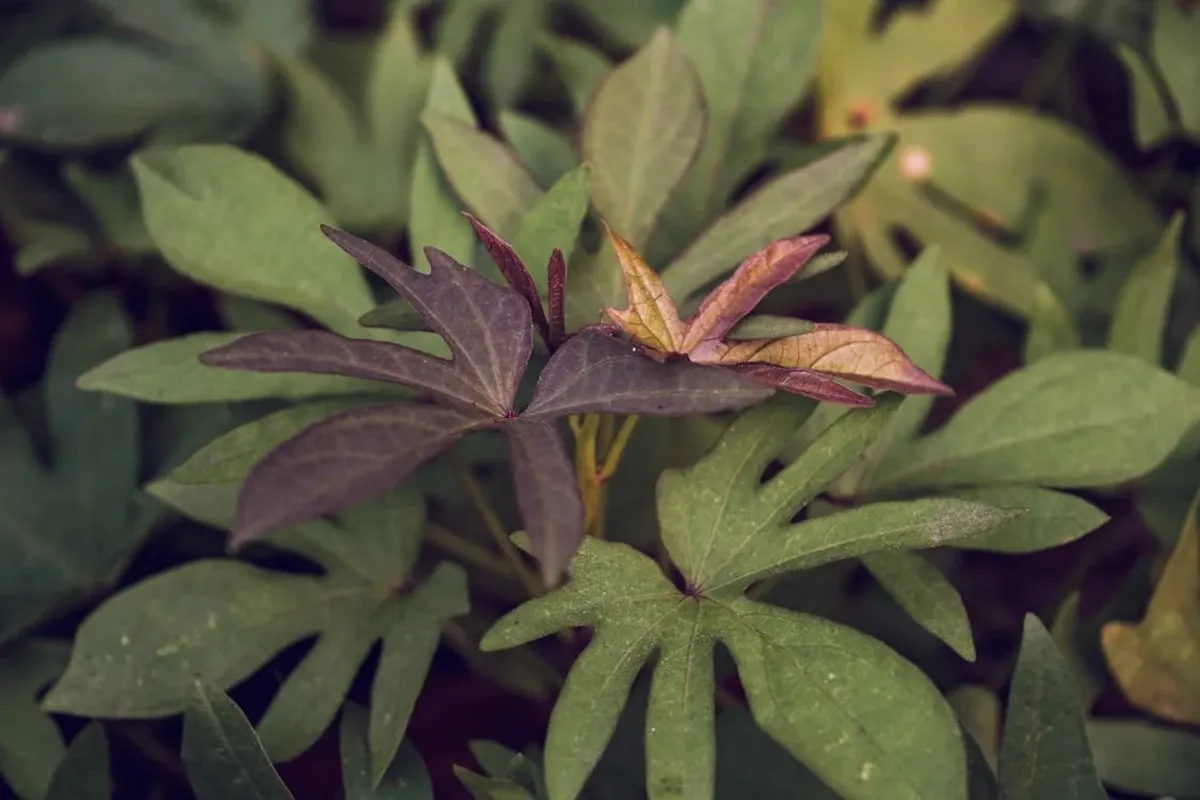
Growing Sweet Potato Greens: The Easiest Asian Vegetable You Are Not Growing Yet
There is a vegetable that shows up on nearly every table in southern China, Taiwan, and across Southeast Asia - and most Americans have never even heard of it. Sweet potato greens. The leaves and tender stems of the same Ipomoea batatas plant that gives us the orange tuber we roast at Thanksgiving.
My mom used to stir-fry these with garlic and a splash of soy sauce, and it was always one of those dishes that appeared on the dinner table so often I barely noticed it. Simple. Green. A little slippery, in that cooked-greens way. My sister and I called it “slippy spinach” as kids, which my mom found annoying and my dad found hilarious.
It was not until I tried growing my own years later that I realized how ridiculously productive this plant is. One sweet potato from the grocery store can produce more greens than a family of four can eat. If you have ever wanted a low-effort, high-reward kitchen garden project - especially one that connects to Asian home cooking - this is it.
Why Grow Sweet Potato Greens?
If you have never cooked with sweet potato leaves, you might be wondering why you should bother. Fair question. Here is why they are worth your time.
First, they are incredibly nutritious. Sweet potato leaves are loaded with vitamins A, C, and K, plus iron, calcium, and a healthy dose of fiber. Gram for gram, the leaves are actually more nutritious than the tuber itself. In parts of Asia and Africa, they are considered a superfood - though I try not to use that word because it makes everything sound like it should come with a cape.
Second, the flavor is genuinely pleasant. Think of a cross between spinach and watercress, with a mild sweetness and just a hint of earthiness. The texture after cooking is tender and silky. They work beautifully stir-fried with garlic and fermented bean curd, tossed into soups, blanched with oyster sauce, or even eaten raw in salads if the leaves are young and tender.
Third - and this is the real selling point for busy parents - they grow like weeds. Seriously. Once a sweet potato vine gets going, it produces new leaves faster than you can harvest them. It is one of the few plants where you actually have to work to keep up.
Getting Started: From Grocery Store to Garden
You do not need seeds. You do not need a fancy nursery trip. You need one organic sweet potato from the grocery store.
I want to emphasize the organic part. Conventionally grown sweet potatoes are often treated with sprout inhibitors - chemicals that specifically prevent the eyes from sprouting. If you have ever left a regular sweet potato on the counter for weeks and nothing happened, that is probably why. Organic sweet potatoes, on the other hand, will sprout enthusiastically if you give them half a chance.
The Water Method (Easiest)
This is the classic elementary school science project, and it works beautifully.
- Stick three or four toothpicks around the middle of your sweet potato so it can sit suspended over a jar or glass
- Fill the jar with water so the bottom third of the potato is submerged
- Place it in a warm spot with bright, indirect light - a sunny kitchen windowsill is perfect
- Change the water every three to four days to prevent bacteria and algae
Within a week or two, you will see roots growing down into the water and leafy sprouts (called slips) emerging from the eyes. My kids love watching this part. There is something magical about seeing green shoots emerge from what looked like a dead tuber.
Growing Slips
Once your slips are six to eight inches long and have their own roots forming, you can gently twist or cut them off the mother potato. Place the slips in a separate jar of water for another week or so until the roots are an inch or two long. Then they are ready for soil.
You can also skip the slip stage entirely and plant the whole sprouted potato directly into a large pot. Both methods work. The slip method just gives you more individual plants from a single tuber.
Planting and Care
Sweet potato vines are tropical plants, so they like it warm. Here is what they need to thrive.
Container and Soil
Use a pot that is at least five gallons - bigger is better. Sweet potato vines are vigorous growers and they appreciate room to spread. A fabric grow bag works great too, and it is easier to store when the season ends.
Fill your container with a well-draining potting mix. I like to mix in a handful of compost or worm castings for extra nutrients. Sweet potatoes are not fussy about soil pH, but they do not like sitting in waterlogged conditions. Make sure your container has drainage holes.
Light
This is a sun-loving plant. Give it at least six hours of direct sunlight per day. A south-facing window works in most apartments. If you are relying on indoor light during winter, a basic grow light will keep the vines happy and productive.
If you are growing outdoors in summer - which I highly recommend if you have any patio or balcony space - sweet potato vines will absolutely explode with growth. We are talking several feet of vine per week during peak growing season.
Water
Keep the soil consistently moist but not soggy. Stick your finger an inch into the soil. If it feels dry, water deeply until it drains out the bottom. In hot weather or under grow lights, you might need to water every other day. In cooler conditions, once or twice a week is usually enough.
The one thing sweet potatoes really do not like is cold, wet soil. That combination leads to root rot faster than you can say “I should have checked the drainage holes.”
Feeding
A balanced liquid fertilizer every four to six weeks will keep the leaves lush and productive. I use a diluted fish emulsion, which smells terrible but works beautifully. My wife has opinions about the smell. I have opinions about how many greens we are harvesting. We agree to disagree.
Since you are growing for leaves rather than tubers, you actually want to encourage leafy growth. A fertilizer slightly higher in nitrogen (the first number on the label) will do that. Something like a 10-5-5 or similar ratio works well.
Harvesting Your Greens
Here is where sweet potato greens really shine as a kitchen garden crop: you can start harvesting as soon as the vines are a couple feet long, usually about four to six weeks after planting.
Use scissors or clean snips to cut lengths of vine, focusing on the tender tips and youngest leaves. The last six to eight inches of each vine are the most tender and flavorful. Always leave several inches of vine on the plant so it can continue growing - think of it like giving the plant a haircut, not a buzz cut.
The more you harvest, the more the plant branches and produces new growth. It is one of those wonderful cut-and-come-again crops that just keeps giving. During peak summer growing, I can harvest a big colander full of greens every few days from just two or three plants.
What to Harvest
Not all parts of the vine are equally good eating. Here is a quick guide:
The young, tender leaves at the vine tips are the best - mild flavor, silky texture after cooking. The stems of young growth are also edible and have a pleasant crunch, similar to water spinach (ong choy). Older, tougher leaves further down the vine are still edible but can be fibrous. I usually skip those or add them to soups where they cook down longer.
Cooking With Sweet Potato Greens
This is the fun part. If you grew up in a Chinese or Southeast Asian household, you probably already have recipes in your head. But if this is new territory, here are some easy ways to start.
Garlic Stir-Fry (The Classic)
This is the dish my mom made multiple times a week. Heat a wok or large skillet with a tablespoon of oil until it shimmers. Toss in three or four smashed garlic cloves and stir for about fifteen seconds until fragrant. Add a big pile of washed, trimmed sweet potato greens - they will wilt down dramatically, just like spinach. Stir-fry for two to three minutes, season with a pinch of salt and a splash of soy sauce, and you are done. The whole thing takes less than five minutes.
With Fermented Bean Curd
My grandmother’s version added a tablespoon of fermented white bean curd (fu ru) to the garlic before adding the greens. It gives the dish a savory, slightly funky depth that is absolutely addictive. If you have never cooked with fermented bean curd, this is a great introduction.
In Soup
Sweet potato leaves work beautifully in clear soups. Add them in the last two minutes of cooking so they wilt but stay bright green. They pair especially well with egg drop soup or a simple pork rib broth.
Common Problems and How to Fix Them
Sweet potato vines are tough, but they are not invincible. Here is what to watch for.
Yellowing leaves usually mean overwatering or poor drainage. Check that your pot is draining properly and let the soil dry out a bit between waterings.
Leggy, sparse growth means not enough light. Move the plant to a sunnier spot or add a grow light. Sweet potato vines stretch dramatically when they are reaching for light.
Whiteflies are the most common indoor pest for sweet potato vines. If you see tiny white insects fluttering up when you disturb the leaves, act fast. A gentle spray of insecticidal soap every few days usually handles it. You can also place yellow sticky traps near the plant to catch adults.
Aphids can also show up, especially on new growth. A strong spray of water knocks most of them off, and neem oil works as a follow-up treatment.
No sprouting from your store-bought sweet potato? It was probably treated with a sprout inhibitor. Try again with an organic one. You can often find organic sweet potatoes at farmers markets or natural food stores.
Growing Through Winter
One of the best things about growing sweet potato greens indoors is that you can keep the harvest going year-round. The vines will slow down in winter due to shorter days, but with a grow light on a timer (twelve to fourteen hours per day), they will keep producing.
The plant may look a bit scraggly by late winter. That is normal. You can give it a hard prune in early spring, cutting the vines back to a few inches, and it will push out fresh, vigorous growth as the days get longer.
If you are growing outdoors in summer, the first frost will kill the vines. But you can take cuttings before frost hits, root them in water, and keep them going indoors through the cold months. It is a cycle that can continue indefinitely - which means one grocery store sweet potato can theoretically feed you forever.
Or at least until you get tired of sweet potato greens. Which, honestly, has not happened to me yet.
What to Try Next
If you enjoy growing sweet potato greens, you might also like growing water spinach (ong choy), which has a similar slippery-tender texture and grows just as vigorously. Thai basil and garlic chives are two other staples of the Asian kitchen garden that thrive in containers. And if you are feeling ambitious, growing ginger at home is another project that starts with a trip to the grocery store and ends with a pantry staple you grew yourself.
The kitchen garden does not have to be complicated. Sometimes it starts with one forgotten sweet potato sprouting on the counter and a kid who says, “Dad, is that potato growing hair?” And then you are hooked.