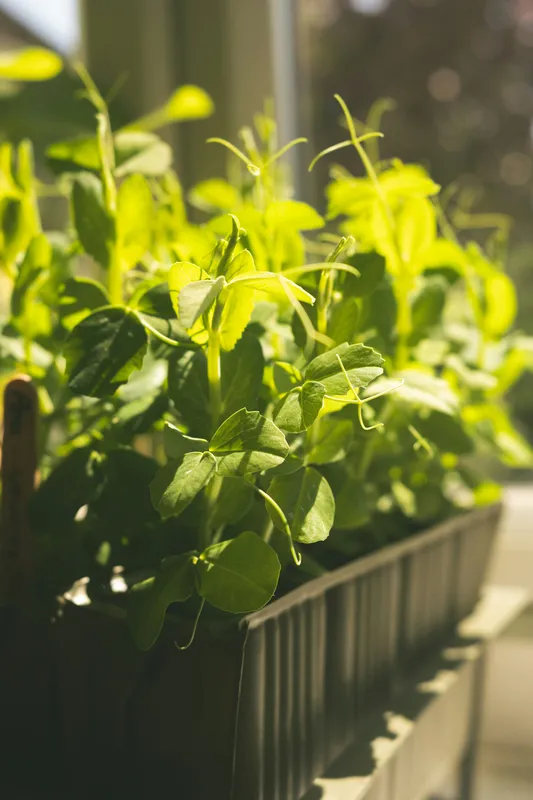
Growing Pea Shoots at Home: The Easiest Chinese Vegetable You Can Grow
Every time I order dou miao at a Chinese restaurant - those tender pea shoots stir-fried with garlic and maybe a splash of rice wine - I think two things. First: these are incredible. Second: they just charged me $16 for what is basically a weed.
Pea shoots, or dou miao (豆苗), are the young leaves and tendrils of the pea plant. They taste like spring itself - sweet, fresh, with a delicate grassiness that pairs perfectly with garlic. They show up on dim sum menus, in hot pot spreads, and at fancy farm-to-table places that charge a premium for anything with the word “shoots” in it.
Here’s the thing, though. Pea shoots might be the single easiest vegetable you can grow indoors. We’re talking seed to harvest in 10 to 14 days. No grow lights needed. No special soil. You can literally use dried peas from the grocery store.
My kids think it’s magic. Honestly, so do I.
Why Grow Your Own Pea Shoots
If you’ve priced dou miao at a restaurant or even at an Asian grocery store, you already know the answer. A small bag of fresh pea shoots can run $4 to $6, and they wilt fast. By the time you get them home and into the fridge, you’ve got maybe two days before they turn sad and slimy.
A bag of dried peas costs about $2 and will give you multiple harvests of shoots that are fresher than anything you can buy. You can grow them year-round on a windowsill, a kitchen counter, or anywhere with decent light. No outdoor garden needed. No waiting months for a harvest.
For apartment dwellers and busy parents, pea shoots are the perfect gateway into growing your own food. The turnaround is so fast that even impatient toddlers can see results before they lose interest.
What You Need to Get Started
The supply list is almost embarrassingly simple:
- Dried peas (snow pea, sugar snap, or even dried marrowfat peas from the soup aisle)
- A shallow container with drainage holes (a takeout container with holes poked in the bottom works great)
- Potting soil or seed starting mix
- A spray bottle or watering can
- A sunny windowsill
That’s it. No fertilizer needed. No fancy equipment. If you want to get slightly more sophisticated, you can buy specific pea shoot seeds from a garden center or online, but regular dried peas from the grocery store work perfectly fine. I’ve used the same bag of dried green peas that my mom uses for her split pea soup, and they sprouted without any complaints.
Step by Step: From Dried Pea to Dinner
Soak the Peas
Measure out about a cup of dried peas and put them in a bowl. Cover them with a few inches of water and let them soak for 8 to 12 hours, or overnight. The peas will absorb water and roughly double in size. This kick-starts the germination process and speeds everything up.
If you forget to soak them, it’s not the end of the world. They’ll still sprout - it just takes an extra day or two.
Prepare Your Container
Fill your container with about 1 to 2 inches of moist potting soil. You don’t need much depth since pea shoots have shallow roots. Pat the soil down gently so it’s even but not packed too tight.
I’ve grown pea shoots in everything from proper seed trays to recycled berry clamshells to the bottom half of a milk jug. As long as it has drainage and is at least 2 inches deep, it’ll work.
Plant the Peas
Drain your soaked peas and spread them evenly across the surface of the soil. You want them close together but not piled on top of each other - a single dense layer is what you’re going for. Gently press them into the soil and cover with about half an inch of soil.
Give everything a good misting with your spray bottle until the soil is evenly moist.
The Waiting Game (It’s Short, I Promise)
Cover the container loosely with plastic wrap or a damp paper towel for the first 2 to 3 days. This keeps moisture in and helps the peas germinate. You’ll start seeing little white sprouts poking through the soil within 3 to 4 days.
Once the sprouts are about an inch tall and showing their first leaves, remove the cover and move the container to a spot with good light. A south-facing windowsill is ideal, but east or west-facing works too. They don’t need direct blazing sun - bright indirect light is plenty.
Water and Wait
Keep the soil consistently moist but not waterlogged. Spray once or twice a day, or water lightly from the bottom if your container allows it. Pea shoots don’t like sitting in soggy soil - that’s the fastest way to get mold or rot.
The ideal temperature is between 60 and 75 degrees Fahrenheit. Normal room temperature is perfect. They actually prefer it on the cooler side, so don’t stress if your apartment isn’t toasty.
Harvesting Your Pea Shoots
This is the best part. Around 10 to 14 days after planting, your pea shoots should be 3 to 7 inches tall with a few sets of leaves and those cute curling tendrils. That’s harvest time.
Use clean scissors or a sharp knife to cut the shoots about half an inch above the soil line. Grab the top few inches of each shoot - the tender leaves, stems, and tendrils are all edible.
Here’s a tip that took me a couple of rounds to figure out: if you cut above the lowest set of leaves rather than at the base, the plant will often regrow and give you a second (sometimes even third) harvest. The second cutting won’t be as lush as the first, but it’s still free food, and I’m not going to argue with free food.
After two or three harvests, the shoots start getting tough and stringy. At that point, dump the spent soil and roots into your compost, clean the container, and start a fresh batch. The whole cycle is so fast that you can have a continuous supply by staggering your plantings - start a new tray every week or so.
How to Cook Pea Shoots
The classic preparation is the simplest. Heat a wok or large skillet over high heat, add a splash of oil, toss in a few smashed garlic cloves, and stir-fry the shoots for literally 30 to 60 seconds until they just barely wilt. Season with a pinch of salt and maybe a drizzle of sesame oil. Done.
This is the dish I grew up eating at dim sum - my mom would order it as our one “healthy” dish alongside the char siu bao and har gow. The shoots should still be bright green and slightly crunchy. Overcooking turns them into sad, mushy greens, which defeats the whole purpose.
Beyond the classic garlic stir-fry, pea shoots are great in:
- Hot pot (add them at the very end, just a quick swish)
- Noodle soups (drop them in the bowl right before serving)
- Salads (the raw shoots are tender enough to eat fresh)
- Omelets and scrambled eggs
- Tossed with rice noodles, soy sauce, and a squeeze of lime
They’re packed with vitamins A, C, and K, plus folate and protein. For something that grows in less than two weeks with almost zero effort, the nutritional return is impressive.
Common Problems and How to Fix Them
Mold on the Soil Surface
This is the most common issue, usually caused by too much moisture and not enough airflow. Make sure your container has drainage holes, don’t overwater, and keep the container in a spot with some air circulation. If you see white fuzzy mold, scrape it off, reduce watering, and consider pointing a small fan at the tray for a few hours a day.
Leggy, Pale Shoots
Your pea shoots aren’t getting enough light. Move them closer to a window or to a brighter spot. They don’t need intense direct sunlight, but they do need reasonable brightness to develop that rich green color and sweet flavor.
Seeds Rotting Instead of Sprouting
Too much water during the initial phase. The soil should be moist, not soaked. If your container doesn’t drain well, the seeds will sit in water and rot before they have a chance to sprout. Poke more drainage holes or switch to a better container.
Tough, Stringy Shoots
You waited too long to harvest. Once pea shoots get past 7 or 8 inches and start developing thicker stems, they lose their tenderness. Harvest earlier on your next batch. The sweet spot is 3 to 6 inches.
Growing Pea Shoots With Kids
This is one of my favorite kid-friendly growing projects because the timeline is so forgiving. My five-year-old has the attention span of, well, a five-year-old. Most gardening projects lose him after day three. But pea shoots sprout so fast that he can actually watch the progress and stay excited about it.
We made it a Sunday morning ritual for a while - soak the peas Saturday night, plant them Sunday morning, and check on them every day after school. By the following weekend, we’d harvest and cook them together. He was so proud of eating “his” vegetables that he voluntarily ate greens for the first time in his life.
Pro tip: let kids do the soaking and planting themselves. Dried peas are big enough for small hands to handle, and pressing them into soil is satisfying in a way that tiny seeds just aren’t.
Why Dou Miao Feels Like Home
Growing pea shoots in my kitchen connects me to something bigger than just a cheap vegetable. My grandmother always had something growing on her windowsill or balcony - not for Instagram aesthetics, but because growing food was just what you did. Green onions in a cup of water. Garlic chives in a pot by the door. Bean sprouts in a colander under a damp cloth.
Dou miao fits right into that tradition. It’s practical, it’s humble, and it’s delicious. It doesn’t require a backyard or a green thumb or expensive equipment. Just some dried peas, a little water, and a couple of weeks of patience.
And unlike that $16 restaurant plate, you can have as much as you want.
Quick Reference
- Seeds: Dried peas (snow pea, sugar snap, or marrowfat) from grocery store or garden center
- Container: Any shallow container (2+ inches deep) with drainage
- Soil: 1-2 inches of potting mix
- Light: Bright indirect light, south or east-facing window
- Water: Mist daily, keep soil moist but not soggy
- Temperature: 60-75 degrees F (room temperature)
- Germination: 3-4 days
- Harvest: 10-14 days after planting, when shoots are 3-7 inches tall
- Harvests per planting: 2-3 before starting fresh