Growing Pandan at Home: The Asian Vanilla Your Kitchen is Missing
If you grew up in a household where sticky rice was a special occasion food, or where the kitchen sometimes smelled like coconut, vanilla, and something else you could never quite name - that something else was probably pandan.
Pandan leaf (Pandanus amaryllifolius) is what I think of as Asian vanilla. It is aromatic, slightly sweet, deeply green, and shows up in some of the most beloved foods across Southeast Asia and beyond. Sticky mango rice. Pandan cake. Coconut pudding. Fragrant jasmine rice. If the dish has that subtle floral-nutty aroma and a beautiful green hue, pandan is usually the reason.
Growing up, I only knew pandan as something that came frozen from the Asian grocery store - plastic bags of long green leaves that my mom would tie into a knot and drop into the rice cooker. It was one of those ingredients I never questioned, like fish sauce or sesame oil. It was just there.
It was not until I started getting serious about plants that I found out you could grow pandan at home. And now I have three plants crowding my south-facing window, and my kitchen smells like a Malaysian hawker stall when I cook rice. I call that a win.
What Is Pandan, Exactly?
Pandan (Pandanus amaryllifolius) is a tropical plant native to Southeast Asia. It is technically in the screwpine family - not related to vanilla at all, but it earns the “Asian vanilla” nickname because of how it functions in cooking. Just like vanilla enriches Western desserts, pandan enriches Asian ones.
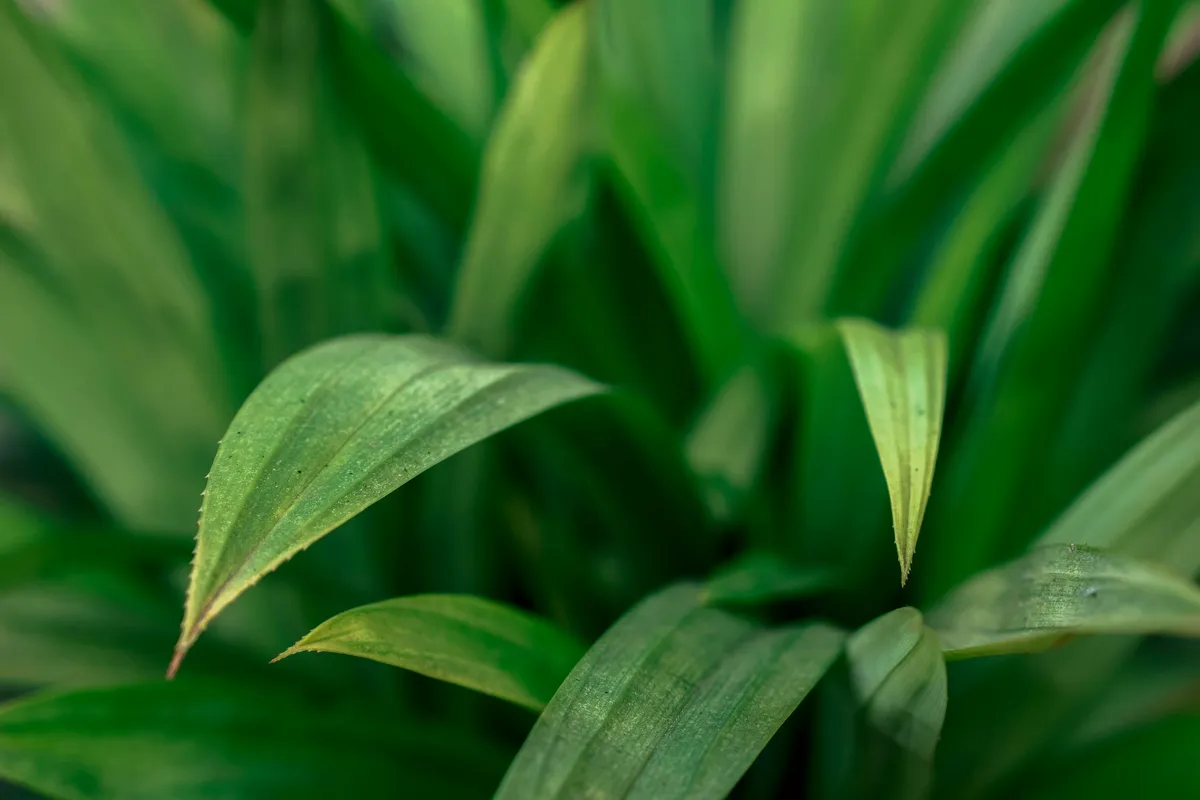
The leaves are long, bright green, and strap-like - kind of like a softer, less aggressive version of a snake plant leaf. They grow in a fan-like arrangement from the base, spiraling slightly. The plant is normally compact indoors, staying in the 2-4 foot range, which makes it perfectly sized for a pot near a window.
One important thing to know: pandan plants almost never flower or set seed in cultivation. They are propagated vegetatively - by dividing off the little offshoots (called suckers or pups) that grow from the base of mature plants. If you find a pandan plant for sale, buy it. You can multiply it later.
Where to Buy a Pandan Plant
This is the first challenge. Pandan is not a regular nursery plant - you will not find it at Home Depot. Your best bets are:
- Asian grocery stores: Some of the larger ones (especially Vietnamese, Filipino, or Indonesian markets) occasionally sell small pandan plants. Worth asking.
- Etsy: Lots of small plant sellers ship pandan starters. Look for listings with good reviews and recent sales.
- Local plant groups: Facebook Marketplace and neighborhood plant swaps are excellent. Pandan spreads easily from pups, so people with established plants often have extras to share.
- Online tropical plant nurseries: Search for “Pandanus amaryllifolius” - make sure you are getting the edible species, not ornamental varieties.
Growing Conditions
Here is the good news: pandan is not fussy. It wants warmth, light, and humidity - basically, it wants to feel like Southeast Asia. If you can give it that, it will reward you with fresh leaves year-round.
Light
Pandan wants bright, indirect light. Think of a spot near a south or east-facing window where it gets several hours of filtered light per day. It can handle some direct sun in the morning, but harsh afternoon sun through a west-facing window can scorch the tips.
If you do not have a great window, a grow light works well. I use a basic LED grow light on a timer during winter months and my plants stay green and healthy.
Temperature
This is a tropical plant - it does not like cold. Keep it above 60 degrees Fahrenheit, ideally in the 65-85 degree range. Temperatures below 50 degrees will damage the leaves and potentially kill the plant.
For most of us in the US, this means pandan lives indoors year-round unless you are in Southern California, Florida, or a similar climate. If you are lucky enough to have warm summers, you can put it outside once nighttime temps stay reliably above 60.
Humidity
Pandan likes humidity. Indoors during winter, when heating dries out the air, you may notice the leaf tips turning brown. A few ways to help:
- Set the pot on a tray filled with pebbles and water (the evaporation raises humidity around the plant)
- Group it with other plants - they collectively raise the local humidity
- Run a small humidifier nearby
- Mist lightly in the morning if your air is very dry
Brown leaf tips are usually a humidity issue, not a watering issue. Do not overwater trying to solve a humidity problem.
Watering
Water pandan when the top inch or two of soil feels dry. It likes consistent moisture but absolutely cannot sit in waterlogged soil - root rot is the main way people kill this plant.
In summer, I water mine about once a week. In winter with lower light and cooler temperatures, I back off to every 10-14 days. Use your finger to check the soil rather than going by a schedule.
Make sure your pot has drainage holes. I cannot stress this enough. No drainage holes means eventual root rot, and that is a slow, sad way to lose a plant you spent time nurturing.
Soil
A well-draining potting mix is key. I use a standard potting soil cut with about 20-30% perlite to improve drainage. Coco coir also works well. Avoid heavy mixes meant for moisture-loving plants like ferns - pandan wants to drain relatively quickly.
Fertilizing
During the growing season (spring through fall), feed with a balanced liquid fertilizer at half strength every 3-4 weeks. Pandan is not a heavy feeder - you mainly want to keep it from becoming nutrient-depleted over time. Skip fertilizing in winter when growth slows.
Harvesting Pandan Leaves
Once your plant has a good amount of growth, you can start harvesting. Always take the outermost leaves first - those are the oldest and the plant is naturally pushing new growth from the center.
To harvest, cut the leaf at the base near the soil, or pull it gently if it detaches easily. Try not to take more than a third of the leaves at once, and give the plant time to recover between harvests.
How to use fresh pandan leaves:
- Tie a leaf into a loose knot and add it to your rice cooker. The aroma it gives to white rice is incredible.
- Simmer a few leaves in coconut milk for curries, congee, or rice pudding.
- Blend or juice the leaves and strain the liquid - this gives you a concentrated green pandan juice for coloring and flavoring cakes, sticky rice, and puddings.
- Wrap it around marinated chicken pieces before steaming or frying (pandan chicken is a real dish and it is spectacular).
- Add a leaf to the water when you steam fish.
The flavor is hard to describe if you have never tasted it - nutty, slightly floral, with a vanilla-adjacent quality that deepens when heated. It does not taste strongly on its own, but it transforms everything around it.
Propagating Pandan
One of the best things about pandan is that once you have one established plant, you can have many more for free. Mature pandan plants put out pups - small offshoots that grow up from the base with their own leaves and, once mature enough, their own root systems.
When a pup is a few inches tall and has some visible aerial roots at its base, you can carefully separate it from the main plant. Either pull it off with your hands or cut it free with clean scissors. Let the cut end dry for a day, then pot it up in moist soil.
Keep newly potted pups humid and warm while they establish - I cover mine with a clear plastic bag for the first week or two, which creates a little greenhouse effect. Once you see new growth, you know the roots have taken hold.
Common Problems
Brown leaf tips: Almost always a humidity issue. If you see just the tips going brown, raise the humidity around the plant. If the browning is moving inward along the leaf, check for root rot.
Yellow leaves: Could be overwatering, too much direct sun, or nutrient deficiency. Start by checking the soil moisture and drainage. If the soil seems fine, consider if the plant is getting blasted by direct afternoon sun.
No new growth: In winter, this is normal - growth slows significantly. If it is happening in the growing season, check if the plant is rootbound (roots circling the bottom of the pot and coming out the drainage holes) and consider repotting to a slightly larger container.
Root rot: If the plant looks droopy and the soil smells swampy even when it has dried out, you may have root rot. Take the plant out of the pot, trim any black or mushy roots, let the healthy roots air dry briefly, then repot in fresh, dry soil. Do not water for a week.
Pests: Pandan is fairly pest-resistant indoors. Occasionally I see spider mites during dry winter months - the classic treatment of wiping down leaves with neem oil or insecticidal soap works fine.
Finding Fresh Pandan When You Do Not Have a Plant Yet
If you are not there yet with a plant, frozen pandan leaves from Asian grocery stores are a fine substitute for cooking. They are usually sold in the freezer section. Thaw them before use and they work well.
You can also sometimes find fresh pandan at Vietnamese and Thai grocery stores. If you live near a city with a significant Southeast Asian community, check those markets.
Pandan extract (the bottled stuff) is also widely available online - look for brands like Koepoe-koepoe or Butterfly brand. It works in a pinch for baking, though the fresh leaf has a more complex, less candy-like flavor.
Why Grow Pandan When You Can Buy It?
Fair question. You can buy frozen leaves for not much money. But here is what having a living pandan plant gives you:
Fresh leaves on demand. No thawing, no grocery run. You want to make fragrant rice on a Tuesday night, you just walk over and grab a leaf.
Better flavor. Fresh pandan has a brightness and complexity that frozen loses over time.
A piece of living food culture in your home. There is something that feels right about growing the plants that matter to the foods your family eats. My kids know what pandan is because the plant is sitting in our window, not because I explained it to them.
And honestly, it is just a beautiful plant. Long green leaves, a structural shape, easy to care for. It earns its spot even when I am not cooking with it.
A Note on the Name
You will sometimes see pandan sold as “screwpine” or labeled Pandanus amaryllifolius. If you are searching online, “pandan plant” gets better results than the Latin name. Some sellers use “fragrant pandan” to distinguish it from non-edible ornamental pandanus species - make sure you are getting the right one. The leaves of the culinary pandan are notably fragrant when you scratch or tear them slightly.
If you smell it in the store and it smells green and slightly sweet and like everything good about Southeast Asian food, that is the one you want.
Go get one. Your rice will thank you.