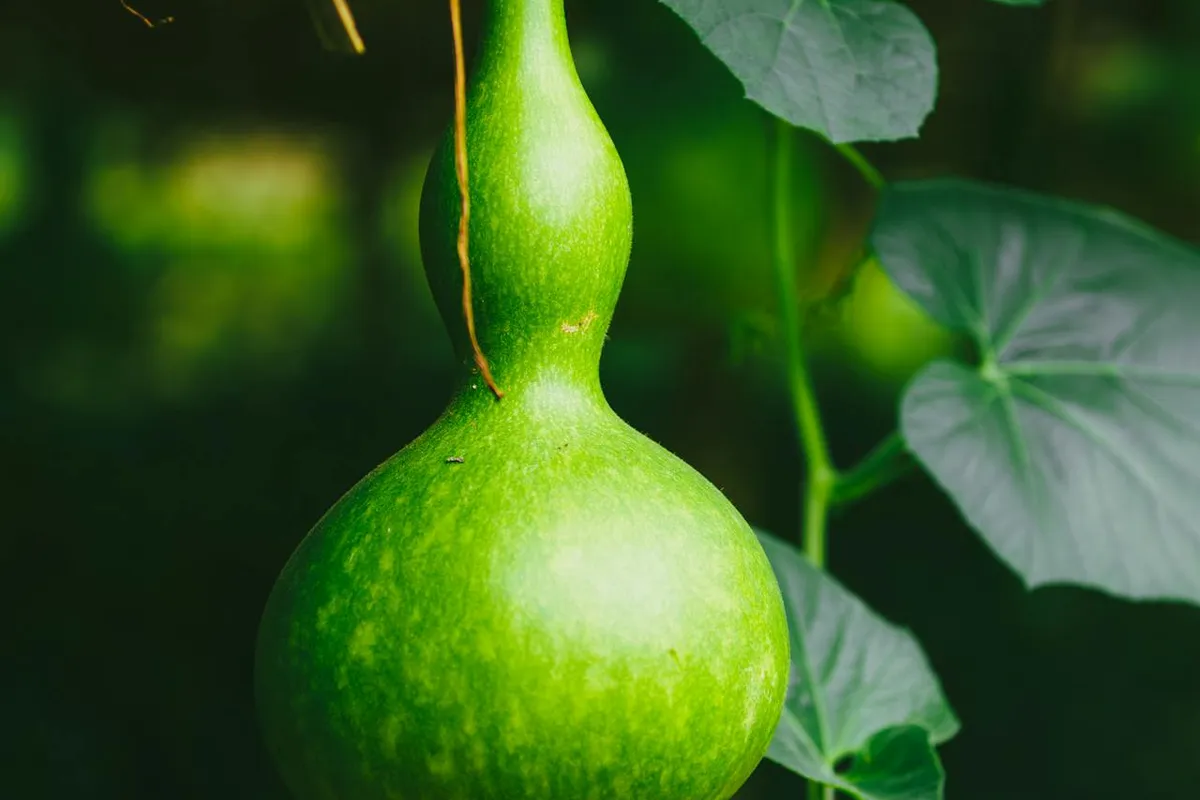
If you grew up in a Chinese household, chances are good that you have eaten bottle gourd in some form - maybe stir-fried with garlic, simmered in a light soup, or stuffed into dumplings. My family always called it hu lu gua, though you might know it as opo squash, calabash, or lauki depending on your background. Whatever you call it, Lagenaria siceraria is one of those vegetables that connects kitchens across all of Asia, from Guangdong to Gujarat.
For years, I bought opo squash at the Chinese grocery store without thinking twice. Then my dad mentioned, almost offhandedly, that his mother used to grow it on a bamboo trellis in their yard back in Fujian. That comment stuck with me. Last summer, I finally tried growing it myself in our small backyard in Queens, and honestly? It was one of the most rewarding things I have grown. The vines are vigorous, the harvest is generous, and watching those long pale gourds dangle from a trellis is genuinely delightful.
Here is everything I learned about growing opo squash at home, including the mistakes I made so you do not have to.
Why Grow Opo Squash?
Before we get into the how, let me sell you on the why. Opo squash is mild-flavored, incredibly versatile in the kitchen, and prolific once it gets going. A single healthy vine can produce dozens of gourds over a season. It is also surprisingly easy to grow if you give it what it needs: warmth, sun, water, and something to climb.
Plus, if you have kids, they will love watching the vines grow. Bottle gourd vines can grow several inches per day in peak summer. My five-year-old called it “the magic beanstalk plant,” which is not far off.
When to Plant
Opo squash is a warm-season crop that does not tolerate frost at all. You have two options for getting started.
Direct sow outdoors once the soil temperature is consistently above 70 degrees F (21 degrees C), which in the New York area is usually late May or early June. Plant seeds about 1 inch deep and 3 to 4 feet apart.
Start indoors 3 to 4 weeks before your last expected frost date. Use biodegradable pots so you can transplant without disturbing the roots - bottle gourd seedlings are sensitive to root disturbance. Keep seedlings warm, at least 70 degrees F, and give them plenty of light. Transplant outdoors when nighttime temperatures are reliably above 55 degrees F.
I go with the indoor start method because it gives me a head start on our relatively short growing season in Zone 7b. But if you are in Zone 8 or warmer, direct sowing works great.
Soil and Site Selection
Pick the sunniest spot in your yard. Opo squash needs a minimum of 6 to 8 hours of direct sunlight daily, and more is better. These are tropical plants at heart - they want heat and they want light.
For soil, aim for rich, well-draining soil with a slightly acidic to neutral pH (6.0 to 7.0). Before planting, work in a generous amount of compost. I usually mix in about 3 to 4 inches of aged compost into the top foot of soil. Bottle gourd is a heavy feeder, so rich soil makes a real difference.
If your garden soil is heavy clay (common in many parts of the Northeast), consider building a raised bed or mounding the soil to improve drainage. Soggy roots will kill a bottle gourd plant faster than almost anything else.
The Trellis is Non-Negotiable
Here is the thing about opo squash that catches some first-timers off guard: the vines get massive. We are talking 15 to 25 feet long. They will happily sprawl across the ground if you let them, but you should not let them. Growing on a trellis keeps the fruit clean, encourages straighter gourds, improves air circulation (which helps prevent disease), and saves a ton of garden space.
Build or buy a sturdy trellis at least 7 feet tall. I used 4x4 posts with heavy-gauge wire fencing between them, and it held up well even when loaded with fruit. Lighter structures like bamboo teepees can work for smaller varieties, but a full-sized opo squash vine loaded with gourds is heavy. Do not underestimate the weight.
If you are growing in containers on a balcony or patio, you can train the vines along a railing or overhead pergola. Just make sure whatever structure you use can handle the load.
Watering - More Than You Think
Bottle gourd is thirsty. Like, really thirsty. These plants need consistent, abundant moisture throughout the growing season. I water deeply 2 to 3 times per week, and during heat waves, sometimes daily.
The key is deep watering at the base of the plant rather than frequent shallow sprinkles. Mulch heavily around the base with straw or wood chips to help retain moisture and keep the roots cool. I use about 3 to 4 inches of straw mulch, and it makes a noticeable difference.
Avoid getting the leaves wet when you water, especially in the evening. Wet foliage overnight is an invitation for powdery mildew, which is the most common disease problem with opo squash.
Feeding Your Vines
Since bottle gourd is a heavy feeder, plan to fertilize regularly throughout the growing season. Here is what works for me:
At planting, I mix a balanced granular fertilizer (10-10-10) into the soil along with the compost. Once the vines start flowering, I switch to a fertilizer higher in phosphorus and potassium to encourage fruit production - something like a 5-10-10 or a tomato fertilizer works well. I apply liquid fertilizer every 2 to 3 weeks during active growth.
Do not go heavy on nitrogen once the plant starts flowering. Too much nitrogen gives you gorgeous, lush vines with very few gourds. Ask me how I know.
Pollination - You Might Need to Help
Opo squash produces separate male and female flowers on the same vine. Male flowers typically appear first, and female flowers follow a week or two later (you can identify female flowers by the small swelling at the base that looks like a tiny gourd).
Bees and other pollinators usually handle the job, but if you notice female flowers dropping off without setting fruit, you may need to hand-pollinate. It is simple: pick a male flower, peel back the petals, and gently dab the pollen onto the stigma of a female flower. Early morning is the best time, when flowers are freshly open.
In my first year, I had poor fruit set because I was growing the vine on a second-floor balcony where pollinators rarely visited. Hand-pollination fixed the problem completely.
Pruning for Better Harvests
This is a tip I wish I had known from the start. Pruning your bottle gourd vine encourages more fruiting side shoots and keeps the plant manageable.
Let the main vine grow until it has 15 to 20 leaf nodes, then pinch off the growing tip. This forces the plant to put energy into lateral branches, which is where most of the female flowers (and therefore fruit) develop. On the side shoots, let them grow to about 6 leaf nodes before pinching those tips too.
It feels counterintuitive to cut back a plant that is growing so enthusiastically, but trust the process. You will get more and better gourds.
Harvesting at the Right Time
This is the most important part, and the mistake I see people make most often: harvest your opo squash young. You want to pick them when they are 6 to 12 inches long, while the skin is still tender enough to dent with your fingernail. At this stage, the flesh is mild, slightly sweet, and has a texture similar to zucchini.
If you let them mature too long, the skin hardens, the seeds get tough, and the flesh becomes spongy and bitter. Overripe bottle gourds are basically inedible (though they can be dried and used as actual gourds or containers, which is how they got their name).
Check your vines every day or two during peak production. Bottle gourd grows fast, and a gourd that is perfect today might be oversized in 48 hours. When in doubt, pick it early rather than late.
Common Problems and How to Handle Them
Powdery mildew is the number one issue, especially in humid summers. Improve air circulation by trellising and spacing plants well. Remove affected leaves promptly. A spray of diluted neem oil can help as a preventive measure.
Squash vine borers can occasionally target bottle gourd, though they prefer summer squash and pumpkins. Look for sawdust-like frass at the base of the stem. If you catch it early, you can sometimes remove the larvae with a small knife.
Poor fruit set usually means pollination problems. Try hand-pollinating as described above, and plant pollinator-attracting flowers nearby.
Blossom end rot shows up as a dark, sunken spot on the bottom of developing gourds. It is caused by calcium deficiency, often triggered by inconsistent watering. Keep your watering schedule steady and consider adding crushed eggshells or garden lime to the soil.
Cooking With Your Harvest
Once you start harvesting, you will need recipes. Here are some of my family’s favorites:
Hu lu gua chao xia ren (bottle gourd stir-fried with shrimp) is a weeknight staple in our house. Peel the gourd, slice it thin, and stir-fry with garlic and a splash of Shaoxing wine. The squash absorbs the flavors beautifully and stays tender-crisp.
For soup, simmer peeled and cubed opo squash with pork ribs, goji berries, and dried scallops. It is the kind of nourishing, clear Chinese soup my mom always made when someone was feeling under the weather.
And if you are feeling adventurous, try grating the flesh and mixing it into dumpling filling with pork and ginger. The squash adds moisture and a subtle sweetness that balances the meat perfectly.
What I Wish Someone Had Told Me
Growing opo squash connects me to a food tradition that stretches back generations in my family. But beyond the cultural connection, it is just a genuinely fun plant to grow. The vines are dramatic, the harvest is abundant, and there is something deeply satisfying about cooking with a vegetable you grew yourself.
If this is your first time, start with one or two plants. That is plenty for a family - possibly more than plenty. My two vines produced so many gourds last summer that I was leaving bags of them on neighbors’ doorsteps like some kind of squash fairy.
Give opo squash a sunny spot, a strong trellis, and plenty of water, and it will reward you all summer long. And if you end up with too many gourds? Well, now you know how my dad felt with those tomatoes.