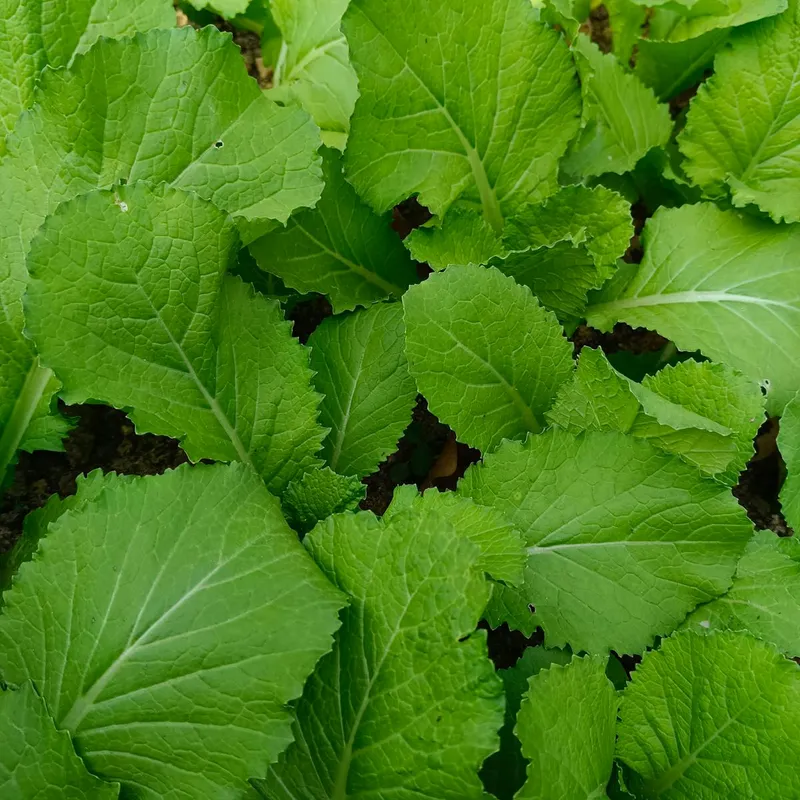
Growing Mustard Greens (Gai Choy): The Spicy Green Every Asian Kitchen Needs
If you have ever bought a bunch of mustard greens from an Asian grocery store, you already know. That peppery, slightly bitter bite is irreplaceable. It shows up in stir-fries with garlic, in steaming bowls of noodle soup, and - most importantly - in the jars of pickled suan cai that my mom always had tucked in the back of the fridge.
For years I just bought gai choy (jie cai in Mandarin) at the market without thinking twice. Then one spring, I scattered some seeds into a container on my fire escape and realized how absurdly easy these greens are to grow. We are talking seed-to-harvest in about 40 days, cold tolerance that laughs at late frosts, and enough leaves to keep your kitchen stocked all season. If you have ever grown lettuce, you can grow mustard greens. And honestly, mustard greens are more forgiving.
What Exactly Are Chinese Mustard Greens?
Chinese mustard greens (Brassica juncea) go by a lot of names. Gai choy in Cantonese, jie cai in Mandarin, takana in Japanese. They belong to the same family as broccoli, cabbage, and kale, but the flavor is completely different - spicy, peppery, with a pleasant bitterness that mellows beautifully when cooked.
There are several varieties you will find at Asian seed suppliers:
Dai Gai Choy (Big Mustard) is the most common variety for home growing. It produces thick green stalks and broad, slightly crinkled dark green leaves. This is the classic one you see at Chinese grocery stores, and it matures in about 50 to 65 days.
Heading Mustard (Bau Sin) forms a loose head, almost like a romaine lettuce. It has a milder flavor and works great in soups. Matures in 45 to 55 days.
Bamboo Mustard (Juk Gai Choy) has slender stems and is particularly good for pickling. It has a more concentrated mustard kick.
For your first time, I would recommend Dai Gai Choy. It is the most versatile in the kitchen and the most forgiving in the garden.
When to Plant
This is the best part about mustard greens - they actually prefer cool weather. They thrive in temperatures between 50 and 75 degrees Fahrenheit, which makes them perfect for spring and fall growing. In most of the US, you have two solid planting windows:
Spring: Start seeds outdoors 2 to 4 weeks before your last frost date. In New York City, that means I am usually putting seeds in by late March or early April.
Fall: Sow seeds 6 to 8 weeks before your first expected frost. For me that is late August through mid-September. Fall plantings often produce even better greens because the cool temperatures keep the plants from bolting.
If you live somewhere with mild winters (zones 8 and up), you can grow mustard greens through the winter with minimal protection.
One thing to know: mustard greens bolt fast in hot weather. Once temperatures regularly hit 80 degrees and above, the plants will send up flower stalks and the leaves turn tough and extra bitter. That is why timing matters. Get them in early enough to harvest before the summer heat kicks in, or wait for fall.
Starting from Seed
Mustard greens are one of those crops where direct sowing is the way to go. They do not love being transplanted, and the seeds germinate so quickly there is really no reason to start them indoors.
Here is what you need:
- Mustard green seeds (look for “gai choy” or “Chinese mustard” at Asian seed suppliers, or try Botanical Interests and Epic Gardening for online orders)
- A container at least 8 inches deep, or a garden bed
- Good potting soil or compost-amended garden soil
- A spot with at least 6 hours of sun
How to sow:
Scatter seeds about half an inch apart and cover with a quarter inch of soil. Water gently. That is literally it. You do not need seed starting mix, heat mats, or grow lights. These are tough plants that want to grow.
Seeds germinate in 4 to 7 days when soil temperatures are between 45 and 85 degrees. I have had them sprout in as few as 3 days during a warm spring week.
Once the seedlings have their first set of true leaves (the second pair of leaves that appear), thin them to 6 to 8 inches apart. I know, thinning feels wasteful. But here is the dad hack: those thinnings are edible. Toss them in a salad or a stir-fry. Baby mustard greens are mild and tender.
Soil, Sun, and Water
Soil: Mustard greens are not picky, but they grow fastest in fertile, well-drained soil with a pH between 6.0 and 7.5. If you are growing in containers, any decent potting mix will work. In garden beds, work in a couple inches of compost before planting and you are set.
Sun: Full sun is ideal - at least 6 hours per day. In warmer climates (or during late spring when temperatures start climbing), a spot with afternoon shade will help prevent early bolting.
Water: Keep the soil consistently moist but not waterlogged. Mustard greens have shallow roots, so they dry out faster than you might expect. I water my containers almost every day during warm stretches. Mulching around the base of the plants helps retain moisture and keeps the soil cooler.
Fertilizer: A single application of balanced organic fertilizer at planting time is usually enough. If your plants look pale or growth slows down, give them a dose of fish emulsion or liquid kelp every 2 to 3 weeks. These are fast growers, so they appreciate a steady supply of nitrogen.
Container Growing
Good news for apartment dwellers: mustard greens are excellent container plants. A 12-inch pot can comfortably hold 2 to 3 plants, and a window box or long planter can hold even more.
Use a container at least 8 inches deep with drainage holes. Fill with potting mix, sow your seeds, and keep it on a sunny balcony, fire escape, or windowsill. Containers dry out faster than garden beds, so check the soil moisture daily.
I have grown gai choy in everything from proper ceramic planters to those black plastic nursery pots you get when you buy herbs at the store. The plants genuinely do not care. Give them soil, water, and sun, and they will deliver.
Harvesting
You can start harvesting in two ways:
Cut-and-come-again: When leaves reach 4 to 6 inches, cut the outer leaves and leave the center growing point intact. The plant will keep producing new leaves for weeks. This is my preferred method because it stretches the harvest over a much longer period.
Full harvest: Wait 40 to 65 days (depending on variety) until the plant reaches full size, then cut the whole thing at the base.
Harvest in the morning when the leaves are crispest and most hydrated. Use a sharp knife or scissors. The leaves will keep in the fridge for about a week if you wrap them loosely in a damp paper towel inside a plastic bag.
Here is a tip I learned from my mom: do not throw away the thick stems. In Chinese cooking, the stems are just as valuable as the leaves. They have a wonderful crunch when stir-fried and hold up beautifully in soups and braises.
Common Problems (And How to Fix Them)
Bolting: The number one issue. If your mustard greens suddenly shoot up a tall stalk with yellow flowers, they have bolted. The leaves become tough and very bitter. Prevention is key - plant during cool seasons, keep the soil moist, and harvest before hot weather arrives. Once a plant bolts, pull it and compost it.
Flea beetles: Tiny jumping beetles that chew small holes in the leaves, making them look like they have been hit with a hole punch. Cover young plants with floating row cover to keep them out. Neem oil spray also helps.
Aphids: Clusters of tiny green or black insects on the undersides of leaves. A strong blast of water from the hose knocks most of them off. For persistent infestations, insecticidal soap works well.
Slugs and snails: These guys love tender mustard greens leaves, especially in damp conditions. Set out beer traps or sprinkle diatomaceous earth around the base of your plants.
Damping off: Seedlings suddenly collapse at the soil line. This is a fungal issue caused by overly wet conditions and poor air circulation. Avoid overwatering seedlings and make sure containers have good drainage.
What to Do With Your Harvest
This is where it gets fun. Mustard greens are one of the most versatile Asian vegetables in the kitchen.
Stir-fried with garlic: The classic preparation. Heat oil in a wok until it shimmers, toss in smashed garlic cloves, add chopped gai choy (stems first, leaves a minute later), and season with soy sauce and a pinch of sugar. Done in 3 minutes. This was a weekly dinner staple growing up in my house.
Noodle soup topping: Blanch whole leaves for 30 seconds and drape them over a bowl of ramen, wonton noodle soup, or instant noodles. The slight bitterness cuts through rich broth perfectly.
Pickled mustard greens (suan cai): This is the big one. Take your harvested gai choy, wilt it in the sun for a day, pack it into a jar with salt and rice washing water, and let it ferment for about 3 weeks. The result is tangy, funky, slightly sour pickled greens that are essential for Taiwanese beef noodle soup, Sichuan fish stew (suan cai yu), and fried rice. My mom used to make a fresh batch every fall, and the smell of the fermentation jar is pure nostalgia.
Braised with pork: Slow-cook mustard greens with pork belly and soy sauce until everything is meltingly tender. Serve over rice. My daughter calls this “the soft green dinner.”
Growing With Kids
If you have little ones, mustard greens are a great starter crop for them. The seeds are big enough for small hands to handle, they sprout fast enough to keep short attention spans engaged, and the cut-and-come-again harvest method means kids get to snip leaves with scissors repeatedly - which mine considers the best part of gardening.
Fair warning: most kids will find raw mustard greens too spicy. But get them involved in the cooking and they are usually more willing to try the finished dish. My four-year-old still claims she does not like gai choy, but she reliably eats all of it when it is stir-fried with garlic and tossed with noodles.
Next Steps
If you enjoy growing mustard greens, try branching out to other Chinese brassicas. Bok choy, choy sum, and gai lan (Chinese broccoli) all have similar growing requirements and love the same cool-season conditions. You can even interplant them in the same bed for a rotating Asian greens harvest all spring and fall.
And if you want to try pickling your harvest, start simple. Salt, rice water, a clean jar, and patience. Your future bowls of noodle soup will thank you.