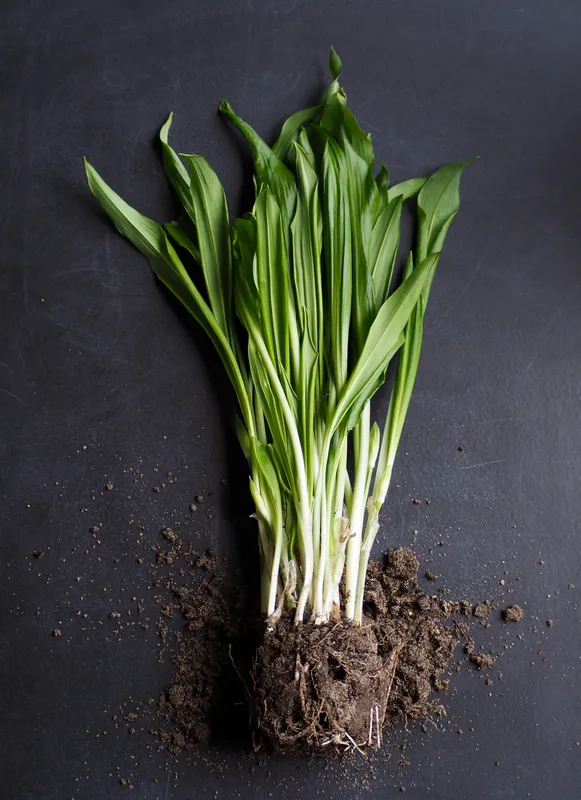
Growing Lemongrass at Home: A Grocery Store Stalk Is All You Need
My mom never bought lemongrass at the store. She grew it in a cracked plastic pot on the back patio, wedged between the air conditioning unit and a pile of shoes nobody wanted to throw away. Every time she needed a stalk for tom yum or a pot of herbal tea, she would walk outside, snap one off at the base, and come back smelling like a citrus grove. I thought this was normal. I thought every family had a mysterious grass bush growing next to their shoes.
Turns out, not everyone did. But the good news is that growing lemongrass at home is absurdly easy. You do not need seeds, a nursery trip, or any special equipment. All you need is a trip to your local Asian grocery store and a glass of water. Seriously. If you can keep a cup of water on your counter for a week without knocking it over - and if you have small children, I realize that is a big if - you can grow lemongrass.
Why Grow Your Own Lemongrass?
If you cook any kind of Southeast Asian food, lemongrass is one of those ingredients that shows up constantly. It is the backbone of Thai curries, Vietnamese pho broth, Indonesian rendang, and about a hundred different soups and stir-fries. It also makes an incredible tea - just bruise a stalk, steep it in hot water, and you have something that tastes like a spa decided to open a lemonade stand.
The problem is that fresh lemongrass can be surprisingly hard to find in regular grocery stores. And when you do find it, it is often dried out, overpriced, or both. Growing your own means you always have it on hand, it is always fresh, and after the initial cost of a couple of stalks, it is basically free forever.
Plus, lemongrass is a genuinely attractive plant. It grows in tall, graceful clumps of arching green blades that look like ornamental grass. My kids call it “the swooshy plant” because they like running their hands through it. It smells amazing when they do, so I let it slide even though they are technically bothering my plants.
Getting Started: The Grocery Store Method
Here is the secret that nurseries do not want you to know (okay, they probably do not care): you can grow lemongrass from the same stalks you buy for cooking.
Head to an Asian supermarket - H Mart, 99 Ranch, your local Chinese or Vietnamese grocery, wherever you usually go. Look for lemongrass stalks that still have the bulbous base intact. You want the bottom end to be firm and slightly swollen, not dried out or hollow. The fresher the better. If there is any hint of green at the top, even better. Avoid stalks that have been trimmed down to just the white core with no base.
Buy four or five stalks. They are cheap - usually a dollar or two for a whole bundle. You are going to eat the rest anyway, so there is no waste here.
Rooting in Water
Peel off any dry, papery outer layers from the base of each stalk. Trim the top down to about six inches - you do not need the whole length for rooting. Place the stalks bulb-end down in a jar or glass with about two inches of water. Set it on a sunny windowsill.
Now wait. Change the water every couple of days to keep it fresh and prevent it from getting slimy. Within a week or two, you should start seeing small white roots emerging from the base. Some stalks will root faster than others. Some might not root at all - that is normal. This is why you start with several.
Once the roots are about an inch or two long, your lemongrass is ready to be planted. If you are impatient like me, you might try planting them sooner. I have gotten away with it, but longer roots give you better odds.
Planting and Container Setup
Lemongrass is a tropical grass native to South and Southeast Asia (Cymbopogon citratus, if you want to impress someone at a dinner party). It likes warmth, sun, and moisture - basically the opposite of my apartment in January. But with the right setup, it does great in containers.
Choosing a Pot
Pick a container that is at least 12 inches in diameter and 12 inches deep. Lemongrass has a surprisingly vigorous root system, and it will fill a small pot faster than you expect. I learned this the hard way when I tried growing it in a cute little ceramic pot and ended up with roots bursting out of the drainage hole like the plant was trying to escape.
Make sure your pot has drainage holes. Lemongrass likes moisture, but it does not like sitting in a puddle. Nobody likes sitting in a puddle.
Soil
Use a good quality potting mix - nothing fancy. Lemongrass is not picky about soil as long as it drains well. A standard all-purpose potting mix works fine. If you want to get slightly more specific, aim for something with a pH between 6.0 and 7.0, which is most potting mixes anyway.
Mix in a handful of compost or worm castings if you have them. Lemongrass is a heavy feeder, and the extra organic matter gives it a nice boost.
Planting
Plant each rooted stalk about an inch deep, with the roots buried and the base of the stalk just below the soil surface. If you are putting multiple stalks in one pot, space them about four to six inches apart. Water thoroughly after planting until water runs out the drainage holes.
Light and Temperature
This is the part where I have to be real with you: lemongrass wants a lot of sun. We are talking six to eight hours of direct or bright indirect light per day. A south-facing window is ideal. An east or west-facing window can work if it gets strong morning or afternoon sun.
If your apartment is like mine and gets approximately forty-five minutes of direct sunlight in winter before the neighboring building blocks everything, you have two options. One, supplement with a grow light. Two, accept that your lemongrass will grow more slowly in winter and really take off once you can move it outside in spring.
Temperature-wise, lemongrass is happiest between 70 and 90 degrees Fahrenheit. It can tolerate temperatures down to about 50 degrees, but anything below that and it starts sulking. Below freezing and it is done. If you live somewhere with cold winters (hi, fellow New Yorkers), plan to keep it indoors from fall through spring or treat it as an annual.
Watering
Lemongrass likes consistent moisture. The key word is consistent - not soaking wet, not bone dry, just evenly moist. Check the top inch of soil. If it feels dry, water it. In summer, this might mean watering every two or three days. In winter, when growth slows down, once a week is usually enough.
I keep mine on a drip tray and water from the bottom sometimes, which lets the roots draw up what they need without the top getting too soggy. This is not required, just a trick that works well if you tend to overwater (and I definitely tend to overwater).
One thing to watch for: lemongrass leaves will start to brown and curl at the tips if the plant gets too dry for too long. It is not the end of the world, but it is the plant’s way of telling you it would like a drink, please.
Feeding
Lemongrass is a grass, and like all grasses, it is hungry. Feed it every two to three weeks during the growing season (spring through fall) with a balanced liquid fertilizer or a high-nitrogen fertilizer. Nitrogen is what drives leaf growth, and leaves are the whole point here.
In winter, cut back to once a month or stop feeding entirely if the plant has gone semi-dormant. Feeding a dormant plant is like offering lunch to someone who is asleep. Technically possible but not productive.
Harvesting
This is the fun part. You can start harvesting once your stalks are about 12 inches tall and have developed a firm, bulbous base - usually three to four months after planting.
To harvest, grab a stalk near the base and either twist and pull it out, or cut it at soil level with a clean, sharp knife. Twisting actually works better than you might think and encourages new shoots to form. Do not be shy about it. Lemongrass responds to harvesting by producing more stalks, so the more you take, the bushier it gets.
For cooking, you want the bottom four to six inches of the stalk - the pale, firm part. The upper green leaves are too fibrous to eat, but do not throw them away. They make excellent tea. Just bruise a few leaves, steep them in boiling water for five to ten minutes, and add a little honey if you like. My wife thinks this is the best thing I grow, and she might be right.
Storing Your Harvest
Fresh lemongrass stalks keep in the fridge for two to three weeks if you wrap them loosely in a damp paper towel and put them in a plastic bag. You can also freeze them whole - they lose a little texture but keep their flavor for months. I always have a stash in the freezer for those moments when I decide to make curry at 9 PM on a Tuesday and I am not going to the store.
Common Problems and How to Fix Them
Brown Leaf Tips
This is the most common issue and it is almost always a watering problem. Either the plant got too dry, the humidity is too low, or both. Increase watering frequency and consider misting the leaves or placing the pot on a pebble tray with water to boost humidity.
Yellowing Leaves
If the whole leaf is turning yellow rather than just the tips, your lemongrass might be hungry. Feed it. If you have been feeding it and the leaves are still yellowing, check that the pot has adequate drainage - yellow leaves can also indicate root rot from soggy soil.
Pests
Lemongrass is naturally pest-resistant thanks to its citronella content (yes, the same compound used in those mosquito-repellent candles). In fact, having lemongrass on your patio can help deter mosquitoes, which is a nice bonus. That said, spider mites and mealybugs can occasionally show up indoors, especially in dry conditions. A strong spray of water usually knocks them off. Neem oil works for persistent infestations.
Leggy or Floppy Growth
If your lemongrass is growing tall and thin rather than forming a bushy clump, it needs more light. Move it to a sunnier spot or add a grow light. You can also trim the tops to about 12 inches to encourage the plant to put energy into new shoots rather than stretching upward.
Overwintering in Cold Climates
If you live somewhere that gets actual winter (as opposed to my Southern California friends who think 60 degrees is cold), you have a few options.
The simplest: bring the pot inside before the first frost. Cut the plant back to about six inches tall, put it by your brightest window, and reduce watering to once a week or less. The plant will go semi-dormant and look a little sad, but it will survive. When spring comes and nighttime temperatures stay above 50 degrees, move it back outside and watch it explode with new growth.
If your pot is too heavy to move (large lemongrass clumps can get surprisingly massive), you can dig up a division - a small clump with roots attached - and pot it up separately to overwinter inside. Think of it as plant insurance.
What to Cook With It
The whole point of growing lemongrass is using it, so here are a few ideas to get you started:
- Tom Yum Soup - Bruise two or three stalks and simmer them in broth with galangal, kaffir lime leaves, and chili. This is lemongrass at its most essential.
- Lemongrass Tea - Bruise a stalk or a handful of leaves, steep in hot water for five to ten minutes. Simple and genuinely soothing.
- Vietnamese Lemongrass Chicken - Mince the tender base and marinate chicken thighs with fish sauce, sugar, garlic, and chili. Grill or broil. Incredible over rice.
- Curry Paste - Fresh lemongrass is a key ingredient in Thai green and red curry pastes. Once you make curry paste from scratch with fresh lemongrass, the jarred stuff never tastes the same.
The Takeaway
Growing lemongrass at home is one of the most rewarding kitchen garden projects for anyone who cooks Asian food - or anyone who just likes the idea of growing a gorgeous, fragrant plant from a two-dollar bundle of grocery store stalks. It requires almost no expertise, tolerates mild neglect, and pays you back in fresh flavor all season long.
Start a few stalks in water this weekend. In a couple of months, you will have your own swooshy plant, a steady supply of fresh lemongrass, and the smug satisfaction of knowing you grew it yourself from a trip to the grocery store. Your mom would be proud. Mine definitely is, even though she insists her plants are bigger.