Growing Gai Lan at Home: The Chinese Broccoli Your Stir-Fry Needs
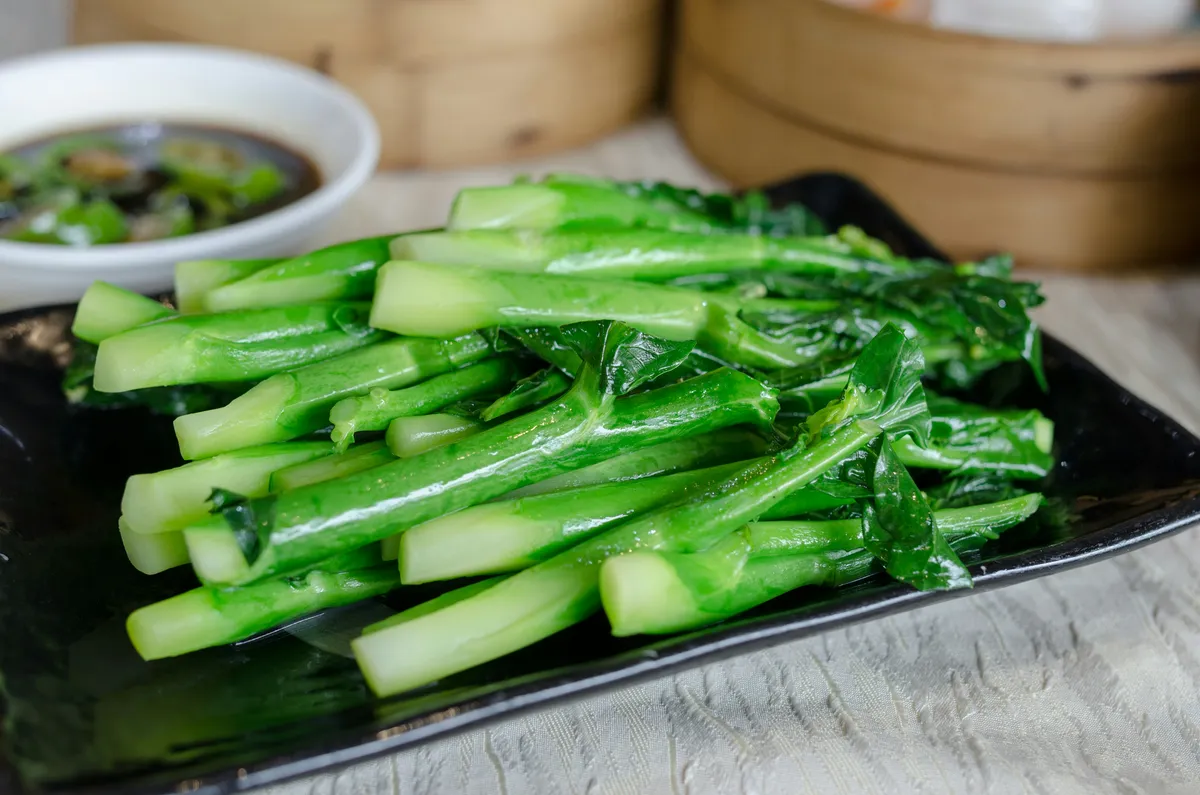
If you have ever ordered Chinese broccoli with oyster sauce at a Cantonese restaurant, you already know gai lan. Those thick, juicy stems. The broad blue-green leaves. That slight bitterness that somehow makes the whole dish more satisfying. It is one of those vegetables that tastes like a restaurant secret, but it is shockingly easy to grow yourself.
My dad grew gai lan every spring and fall in our tiny backyard plot in Queens. He never called it Chinese broccoli - that was the English menu name. To him it was just gai lan, and it showed up blanched with oyster sauce at dinner at least twice a week during harvest season. I did not appreciate it as a kid. Now I grow it myself and wish I had paid more attention to how he did it.
The good news is that gai lan is one of the most beginner-friendly Asian vegetables you can grow. It is fast, forgiving, and produces way more food than you would expect from a small patch of soil or a few containers on a balcony.
What Exactly Is Gai Lan?
Gai lan (Brassica oleracea var. alboglabra) is a member of the same species as regular broccoli, kale, and cabbage. But unlike Western broccoli where you eat the big floret head, with gai lan you eat the whole thing - stems, leaves, and the small flower buds. Think of it as the plant kingdom’s version of nose-to-tail cooking.
The stems are the star. When harvested young, they are crisp and juicy with a mild sweetness that balances the slightly bitter leaves. If you have ever had it at dim sum or a Cantonese restaurant, you know the texture - snappy but tender, almost like a thicker, more flavorful broccolini.
In fact, broccolini is actually a hybrid of gai lan and regular broccoli. So if you like broccolini, you already like half of gai lan’s DNA.
When to Plant
Gai lan is a cool-season crop, which is great news if you live somewhere with actual winters. It thrives when temperatures sit between 50 and 75 degrees Fahrenheit. Once temps climb above 80 consistently, it bolts - meaning it rushes to flower and the stems get tough and bitter.
Spring planting: Start seeds indoors 4-6 weeks before your last frost date. Transplant seedlings outside once soil temperatures reach about 50 degrees Fahrenheit. In the New York area, that usually means starting seeds indoors in March and transplanting in mid to late April.
Fall planting: This is actually the sweet spot for gai lan. Direct sow seeds outdoors about 8-10 weeks before your first expected fall frost. In zones 7-8, that means late August through September. The cooler temperatures of autumn produce sweeter, more tender stems.
Succession planting: Here is a trick my dad figured out - sow a new batch of seeds every 2-3 weeks. Instead of one big harvest, you get a steady supply of gai lan for months. He would squeeze in 3-4 successions per season without breaking a sweat.
Starting from Seed
Gai lan is almost always grown from seed. You will not find transplants at most garden centers, but seeds are easy to find online or at Asian grocery stores that carry gardening supplies. Look for varieties like “Green Lance,” “Crispy Blue,” or the classic “Kailaan.”
Direct sowing (easiest method):
- Sow seeds about a quarter inch deep
- Space them 4-6 inches apart in rows 18-24 inches apart
- Keep soil consistently moist until germination (usually 4-7 days)
- Thin seedlings to 6 inches apart once they have their first true leaves
Starting indoors:
- Use seed starting mix in small pots or cell trays
- Sow 2-3 seeds per cell, a quarter inch deep
- Keep under grow lights or on a bright windowsill
- Transplant outside after hardening off for a week
One thing I love about gai lan seeds is how fast they germinate. You will see sprouts within a week, sometimes less. After months of staring at bare soil waiting for slower crops, gai lan feels like instant gratification.
Soil and Container Setup
Gai lan is not picky about soil, but it does best in fertile, well-draining ground with a pH between 6.0 and 7.0. If you are planting in the ground, work in a few inches of compost before planting. That is basically all the soil prep you need.
Growing in containers: Gai lan is excellent for container growing, which is how I do it on my Brooklyn fire escape (do not tell my landlord). Use a pot at least 8-10 inches deep with good drainage holes. A standard window box works great for a row of gai lan plants.
Fill containers with a quality potting mix. I like mixing in a handful of worm castings for extra nutrients, but regular potting soil works fine. You can fit 3-4 plants in a 14-inch pot, spaced about 5-6 inches apart.
Light Requirements
Gai lan wants 6-8 hours of direct sunlight per day. In cooler weather, full sun is ideal. If you are growing during a warm spring, a little afternoon shade actually helps prevent bolting.
If you are growing on a fire escape or balcony like me, morning sun is your best friend. An east-facing or southeast-facing spot gives you that solid 6 hours without the intense afternoon heat that can stress the plants.
Watering
Keep the soil consistently moist but not waterlogged. Gai lan has shallow roots, so the top few inches of soil drying out matters more than deep watering. I water my containers every morning during the growing season, and every other day for in-ground plants unless it rains.
A layer of mulch around the base of your plants helps retain moisture and keeps roots cool. Straw, shredded leaves, or even a thin layer of compost all work. This is especially important if you are growing through a warm spell.
Inconsistent watering leads to tough, fibrous stems. Nobody wants that. Set a reminder on your phone if you have to.
Feeding
Gai lan is a moderate feeder. Side-dress with compost or apply a balanced liquid fertilizer (like fish emulsion diluted to half strength) every 2-3 weeks. Too much nitrogen will give you huge leaves but spindly stems, and the stems are what you are really after.
If your leaves are yellowing from the bottom up, that is a nitrogen deficiency. Hit them with fish emulsion and they will bounce back within a week.
Harvesting - The Best Part
Here is where gai lan really shines. From seed to harvest takes just 50-70 days depending on the variety and weather. You will know it is ready when the stems are about 6-8 inches tall and the flower buds are still tight and green.
How to harvest: Cut the main stem about 2-3 inches above the soil line with clean scissors or a knife. Do not yank - you will disturb the roots, and you want those roots to keep working because gai lan will regrow.
Second and third harvests: After you cut the main stem, side shoots will sprout from the leaf nodes below. Water well and give a dose of fish emulsion after harvesting. Within 2-3 weeks, you will have a second round of slightly smaller but equally delicious stems. I usually get 2-3 harvests from each plant before it gets tired.
When NOT to harvest: If the flowers have already opened into little yellow blooms, you waited too long. The stems will be tough and overly bitter. You can still eat them, but they are better added to soup stock than served as a main dish. Lesson learned from personal experience - twice.
Common Problems
Bolting: The number one issue. If your gai lan flowers before producing thick stems, it got too hot. Plant earlier in spring or later for fall to avoid peak summer heat. Bolt-resistant varieties like “Green Lance” help too.
Flea beetles: Tiny black beetles that chew little holes in the leaves. They are annoying but rarely fatal. Cover seedlings with lightweight row cover fabric to keep them out, or dust with diatomaceous earth.
Cabbage worms: Green caterpillars that blend in perfectly with the leaves. Check the undersides of leaves for clusters of tiny yellow eggs and remove them. Row covers prevent the adult moths from laying eggs in the first place.
Aphids: Blast them off with a strong stream of water from the hose. If they persist, a spray of diluted neem oil works. I check my plants every morning with my coffee - it takes 30 seconds and catches problems before they get out of hand.
Slugs: These love young gai lan seedlings. A ring of crushed eggshells around each plant helps, or set out shallow dishes of beer as traps. The slugs crawl in and do not crawl out. Dark, I know.
How to Cook It
You did not grow all this gai lan just to look at it. Here are the basics:
Classic oyster sauce gai lan: Blanch whole stems in boiling water for 60-90 seconds, then shock in ice water. Arrange on a plate and drizzle with heated oyster sauce mixed with a splash of sesame oil. This is the Cantonese restaurant standard, and it takes about five minutes.
Stir-fried with garlic: Cut stems into 2-inch pieces, separating thick stems from leafy parts. Stir-fry stems first in hot oil with sliced garlic for 2 minutes, then add the leaves for another minute. Season with soy sauce and a pinch of sugar. Done.
In soups and noodle dishes: Chop and add to ramen, wonton soup, or congee in the last few minutes of cooking. The stems stay crisp and add great texture.
My kids prefer it stir-fried with garlic - the slight char from a hot wok takes the edge off the bitterness that can put younger palates off. My four-year-old calls them “daddy’s green sticks” which I have chosen to take as a compliment.
Why Every Asian Home Garden Needs Gai Lan
Gai lan is fast, productive, and gives you a vegetable that is genuinely hard to find at peak freshness in most American grocery stores. Even if your local Asian market carries it, homegrown gai lan harvested ten minutes before dinner is on another level.
It connects you to a food tradition that goes back centuries. Growing it yourself, cooking it the way your parents or grandparents did - that is a kind of inheritance that does not require a will or a lawyer.
Start with a small fall planting. A dozen seeds, a container, and some patience. In two months you will have enough gai lan to make your dad proud. Or at least enough for a really good stir-fry.