Growing Edamame at Home: Fresh Soybeans Straight From Your Garden
Let me tell you something that changed the way I think about appetizers forever: fresh edamame tastes nothing like the frozen stuff.
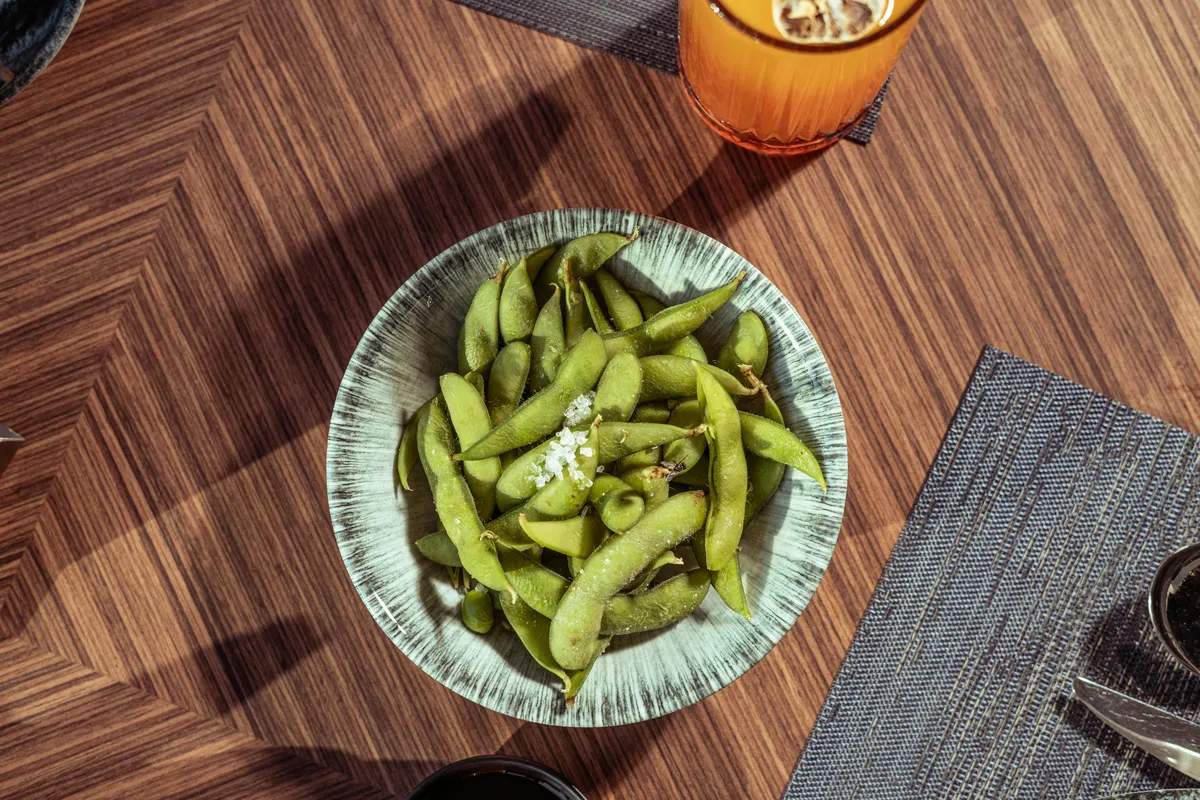
I know. You are sitting there thinking, “It is edamame. It is fine. You boil it, salt it, eat it while waiting for sushi.” And yes, that version is fine. But the first time I picked edamame pods off a plant in my own backyard, boiled them for five minutes, and sprinkled some flaky sea salt on top, I understood why my grandparents in China grew mao dou (that is what we call them - literally “hairy beans”) in every patch of soil they could find.
The sweetness. The snap. The fact that they were warm and bright green and impossibly fresh. My daughter ate an entire bowl before I could sit down.
If you have a sunny spot - even just a balcony with a big pot - you can grow edamame. They are one of the most beginner-friendly vegetables out there, and they are genuinely fun. Here is everything you need to know.
What Exactly Is Edamame?
Edamame are immature soybeans (Glycine max) harvested while the pods are still green and the beans inside are plump but not yet dried. The same plant that produces tofu, soy milk, and miso also gives us these perfect little snack pods when picked at the right time.
In East Asian food cultures, fresh soybeans have been a staple for thousands of years. In Japan they are edamame. In China they are mao dou. In Korea, they show up in side dishes and soups. Growing up, my mom would buy them fresh from the Chinese grocery store in Flushing whenever they were in season, and we would eat them with dinner like it was no big deal.
It was a big deal. I just did not know it yet.
Choosing the Right Variety
Not all soybean varieties are bred for eating fresh. You want cultivars specifically labeled as edamame types. Here are a few that do well in home gardens:
- Chiba Green - A reliable open-pollinated variety that matures in about 75-82 days. Grows to around 2 feet tall and produces consistently plump pods. This is a great starter choice.
- Midori Giant - One of the most popular home garden varieties. Big, flavorful beans with good yields. Matures in about 85-90 days.
- Shirofumi - If you want the sweetest, most tender beans, this is your pick. It also matures on the earlier side.
- Lucky Lion - Produces pods with three beans each (instead of the usual two), which feels like winning a tiny lottery every time you pick one. Good for areas with cooler nights.
- Envy - An early variety that works well in shorter growing seasons. Compact plants that do not take up too much space.
For your first time, I would recommend Chiba Green or Envy. They are forgiving, widely available as seeds, and mature fast enough that you will not lose patience waiting.
When and Where to Plant
Edamame is a warm-season crop. Do not even think about planting until after your last frost date and the soil has warmed to at least 55-60 degrees Fahrenheit. In the NYC area, that usually means late May or early June.
Here is what they need:
Sun: Full sun, minimum 6 hours per day. More is better. Edamame plants are solar-powered snack factories, and they need all the energy they can get to fill out those pods.
Soil: Average garden soil is fine. Seriously. One of the best things about edamame is that they are not fussy about soil. They prefer a pH between 6.0 and 7.0, but they will tolerate a range. Mix in a couple inches of compost before planting if your soil is heavy clay or very sandy.
Space: Each plant needs about 4-6 inches of space between them, with rows about 2 feet apart if you are planting in the ground. They grow 2-3 feet tall and stay fairly compact.
Growing Edamame in Containers
This is the part that gets me excited, because you absolutely can grow edamame in pots on a balcony or patio.
Use a container that is at least 12 inches deep and 12-18 inches wide. Fabric grow bags work great - a 10-gallon bag can hold 3-4 plants comfortably. Use a good quality potting mix (not garden soil, which compacts in containers) and make sure there is drainage.
I grew my first batch in two fabric grow bags on our fire escape in Queens. It was not glamorous. But it worked, and my daughter thought it was magic that beans came out of those leafy bushes.
Planting From Seed
Edamame does not transplant well because the roots do not like being disturbed. Always direct sow - meaning plant the seeds right where they will grow.
- Plant seeds 1 inch deep, spacing them about 4-6 inches apart
- Water gently but thoroughly after planting
- Keep the soil consistently moist until germination (7-14 days)
- If you planted extras, thin to one strong seedling every 4-6 inches
One tip my dad taught me: soak the seeds in water for about 4 hours before planting. It speeds up germination noticeably. He learned it from his mother, who learned it from her mother. Some gardening knowledge just passes down through kitchens.
The Secret Weapon: Inoculant
Here is a pro tip that most beginner guides skip. Soybeans are legumes, which means they can form a partnership with soil bacteria called rhizobia. These bacteria live in little nodules on the roots and convert nitrogen from the air into a form the plant can use.
You can buy soybean inoculant (a powder containing these bacteria) at most garden centers or online. Before planting, dampen your seeds slightly and roll them in the inoculant powder. It costs a few dollars and can significantly improve your yields.
If you skip this step, your plants will still grow. But if you want to give them every advantage, it is worth the two minutes of effort.
Ongoing Care
Watering: Keep the soil consistently moist but not waterlogged. Edamame plants are thirsty, especially when flowering and forming pods. In containers, this might mean watering every day during hot spells. Stick your finger an inch into the soil - if it is dry, water.
Fertilizing: Here is the beautiful thing about legumes - they mostly feed themselves. Because of that nitrogen-fixing partnership with soil bacteria, you do not need heavy fertilizer. In fact, too much nitrogen will give you lots of leaves and not many pods. A light application of balanced fertilizer at planting time is enough. After that, leave them alone.
Support: Most edamame varieties are bush types and do not need staking. But if you get a windy spot or your plants are getting tall and floppy, a short stake or tomato cage will keep them upright.
Mulching: A 2-inch layer of mulch around the base of the plants helps retain moisture and keeps weeds down. Straw, shredded leaves, or wood chips all work.
Common Problems (And How to Handle Them)
Aphids: These tiny green or black insects love soybean plants. A strong spray of water from the hose knocks them off. If they persist, neem oil spray works well. Check the undersides of leaves - that is where they hide.
Japanese Beetles: If you are in the eastern US, these metallic green beetles might show up and munch on the leaves. Hand-pick them in the early morning when they are sluggish and drop them into soapy water. It is gross but effective.
Rabbits and Deer: They love soybeans. If you are growing in the ground and have wildlife visitors, a simple fence or row cover will save your crop.
Poor Pod Fill: If your pods are flat and empty, the most common cause is inconsistent watering during flowering. Edamame needs steady moisture when the flowers are setting pods. Another possibility is that the plants did not get pollinated well - planting in blocks (rather than single rows) helps because soybeans are self-pollinating but benefit from wind movement between plants.
Yellowing Leaves: Some yellowing of lower leaves is normal as the plant puts energy into pod production. But if the whole plant is yellowing, it might be overwatering or poor drainage.
Harvesting: The Best Part
Edamame is ready to harvest about 85-100 days after planting, depending on the variety. Here is how to know it is time:
- The pods are bright green and look plump and full
- You can feel individual beans inside when you squeeze gently
- The beans are nearly touching each other inside the pod
- The pods are 2-3 inches long
Do not wait too long. If the pods start turning yellow, you have missed the edamame window and the beans are heading toward dried soybean territory (which is useful, but a different thing entirely).
Harvest in the morning when the plants are cool. You can either pull individual pods off the plant or pull the entire plant out of the ground and strip the pods off. I prefer the whole-plant method because edamame plants tend to mature all at once.
Here is the most important part: cook or freeze them within a few hours of picking. Fresh edamame starts converting sugars to starch quickly after harvest, and that incredible sweetness fades fast. This is why homegrown edamame tastes so much better than store-bought - you are eating it at peak freshness.
How We Eat Them
The classic preparation is perfect: boil in well-salted water for 5 minutes, drain, sprinkle with flaky salt. Done.
But since we are an Asian American household, edamame shows up in a lot of places:
- Tossed into fried rice in the last minute of cooking
- Added to cold noodle bowls with sesame dressing
- Mixed into congee for texture
- Stir-fried with garlic, chili flakes, and a splash of soy sauce (this is how my mom makes mao dou and it is incredible)
- Blended into a bright green hummus that my kids actually eat
My favorite is the simplest: still-warm pods, good salt, a cold drink, sitting on the fire escape while the kids play inside. That is the whole point of growing food, really. Not the efficiency or the savings. Just the satisfaction of eating something you grew with your own hands.
Getting Started This Season
If you are reading this and it is spring, you still have time. Order seeds now - Chiba Green and Envy are widely available from seed companies online. Get some soybean inoculant while you are at it. Find the sunniest spot you have, whether that is a garden bed, a patio, or a fire escape with grow bags.
And if your first batch does not work out perfectly, that is fine. Mine did not either. The first year, I planted too early and half the seeds rotted in cold soil. The second year, I forgot to water during a heat wave and the pods were mostly empty. The third year, everything clicked.
That is gardening. You fail, you learn, you try again. And eventually you are sitting outside eating the best edamame you have ever had, wondering why you did not start sooner.