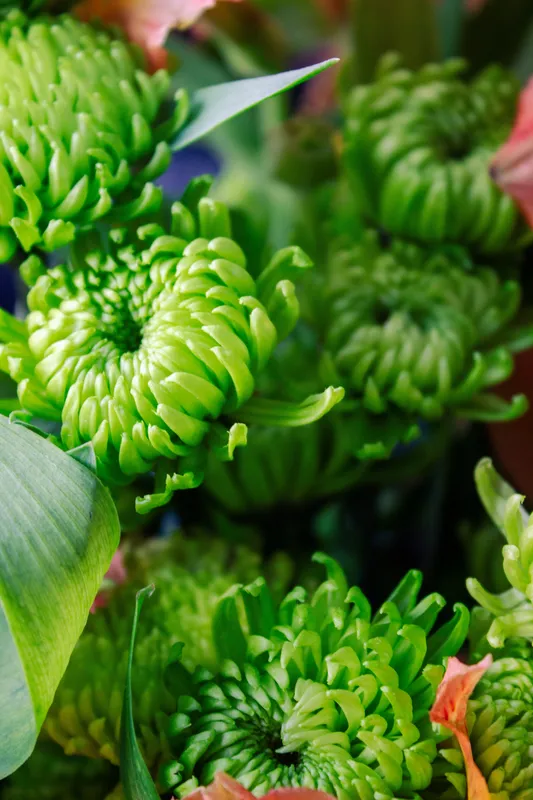
Growing Chrysanthemum Greens (Tong Ho): The Hotpot Hero You Can Grow at Home
If you have ever sat around a bubbling hotpot and reached for those tender, slightly bitter greens that wilt perfectly into the broth, you already know chrysanthemum greens. In Cantonese, we call them tong ho. In Japanese, they are shungiku. In Korean, ssukgat. Whatever name you grew up with, the flavor is unmistakable - a little herbaceous, a little floral, and completely irreplaceable.
The problem? Good luck finding them at your average supermarket. Even well-stocked Asian grocery stores only carry them seasonally, and they wilt faster than my patience during toddler bedtime. By the time you get them home, half the bunch is already sad and limp.
The good news is that chrysanthemum greens are ridiculously easy to grow. We are talking seed-to-harvest in about 45 to 60 days, minimal fuss, and they actually prefer the cooler temperatures that most of us already have in our apartments. If you can grow lettuce, you can grow tong ho.
What Exactly Are Chrysanthemum Greens?
Chrysanthemum greens (Glebionis coronaria, formerly Chrysanthemum coronarium) are the edible leaves and stems of a particular species of chrysanthemum. Before you go nibbling on your mom’s decorative garden mums - stop. Those are a different species entirely and are not meant for eating.
Edible chrysanthemum has been cultivated across East and Southeast Asia for centuries. The leaves have a distinctive flavor that sits somewhere between arugula and celery, with a slight floral bitterness that mellows when cooked. Young leaves are tender enough for salads, while more mature stems and leaves are perfect for soups, stir-fries, and of course, hotpot.
There are two main types you will encounter when buying seeds. The small-leaf variety (sometimes called “small round leaf” or shungiku type) has deeply serrated, almost feathery leaves. The large-leaf variety (the tong ho type more common in Chinese cooking) has broader, flatter leaves. Both taste great. I personally grow the large-leaf type because it gives more volume per harvest and holds up better in stir-fries.
Why Grow Your Own?
Here is my honest take. Chrysanthemum greens from the store cost anywhere from $3 to $5 for a small bunch that is already a day or two old. A packet of seeds costs $3 to $4 and will give you dozens of harvests over a growing season. The math is not complicated.
But beyond the economics, freshness matters with this green. Tong ho is best when it is just-picked - the leaves are more aromatic, the stems snap cleanly, and the flavor has that bright, herbaceous quality that fades quickly after harvest. Growing your own means you can walk to your windowsill or balcony, snip what you need for tonight’s hotpot, and have it in the pot within minutes.
My dad used to grow a small patch in our backyard every fall. He never made a big deal about it - just scattered some seeds along the edge of his vegetable garden and let them do their thing. I did not appreciate it then. Now that I am the one paying $4.99 for a wilting bunch at H Mart, I get it.
Getting Started: Seeds and Supplies
You will need a few basic things to get going.
Seeds: Look for “edible chrysanthemum,” “garland chrysanthemum,” “tong ho,” or “shungiku” seeds. Kitazawa Seed Company, Baker Creek, and many Asian seed suppliers carry them. You can sometimes find seed packets at Asian grocery stores too, usually near the checkout counter.
Container: A pot or planter at least 6 to 8 inches deep and as wide as you can manage. Chrysanthemum greens have relatively shallow roots, so they do not need massive depth, but wider containers mean more plants and bigger harvests. Window boxes work great for this.
Soil: Any good quality potting mix will work. If you want to get fancy, mix in a bit of compost for extra nutrients. These are not picky plants.
Light: A sunny windowsill, balcony, or any spot that gets at least 4 to 6 hours of light. They will tolerate partial shade, which makes them great for apartments that do not get blasted with sun all day.
Planting and Growing
Scatter the seeds over moist potting mix and press them lightly into the surface. Cover with about a quarter inch of soil - they need some light to germinate, so do not bury them deep. Water gently with a spray bottle or a gentle stream so you do not wash the seeds away.
Keep the soil consistently moist (not soggy) and you should see sprouts within 7 to 14 days. The seedlings look like tiny feathery tufts at first, which is adorable and also makes them easy to identify if you are growing other things nearby.
Once the seedlings are a couple of inches tall, thin them so plants are about 4 to 6 inches apart. I know thinning feels wasteful, but crowded plants get leggy and are more prone to mold. The good news? Those thinnings are edible. Toss them in a salad or float them in miso soup.
Temperature matters. Chrysanthemum greens prefer cooler weather - ideally between 60 and 70 degrees Fahrenheit. They will tolerate temperatures up to about 85 degrees, but heat causes them to bolt (send up flower stalks), which makes the leaves bitter and tough. This actually works in your favor if you are growing indoors, because most of us keep our homes right in that sweet spot.
Watering: Keep the soil evenly moist. These are not drought-tolerant plants and they will let you know if they are thirsty - the leaves start to droop and the stems go limp. But do not keep them waterlogged either, because root rot is a real possibility in containers without good drainage. Stick your finger an inch into the soil. If it is dry, water. If it is moist, leave it alone.
Fertilizer: Honestly, if you are using decent potting mix, you probably do not need to fertilize at all for the first month or two. If your plants start looking pale or growth slows down, a half-strength liquid fertilizer every three to four weeks will perk them up. I use a basic fish emulsion, which my wife says makes the kitchen smell like a dock. She is not wrong.
Harvesting Like a Pro
This is the fun part. You can start harvesting when plants are about 6 to 8 inches tall, which usually happens around 40 to 50 days after planting.
The key to getting the most out of your chrysanthemum greens is to harvest the “cut and come again” way. Instead of pulling up the whole plant, snip the top 3 to 4 inches of growth, cutting just above a leaf node (the point where leaves branch off from the stem). The plant will respond by sending out new side shoots from below the cut, giving you even more stems to harvest next time.
If you let the plants grow too tall without harvesting, they will get woody and start to flower. Once they flower, the leaves turn bitter and the plant puts all its energy into seed production. So be a good plant parent and keep pinching those tips. Think of it as the plant equivalent of giving your kid a haircut - they might not love it in the moment, but they will look better for it.
Pro tip: harvest in the morning when the leaves are at their most turgid and flavorful. And always use clean scissors or shears rather than tearing, which can damage the stems and invite disease.
How to Use Chrysanthemum Greens in the Kitchen
Now for the best part. Here are the ways our family uses tong ho throughout the week.
Hotpot: The classic. Add chrysanthemum greens in the last 30 seconds of cooking so they wilt but do not turn to mush. They absorb the broth beautifully and add a fresh, slightly bitter contrast to rich meats and seafood. If hotpot is not a regular thing in your house, it should be. It is the ultimate family dinner - everyone cooks their own food and you barely have to clean up.
Stir-fry: Heat oil in a wok until it shimmers, toss in minced garlic, then add the greens and stir-fry for about a minute. Finish with a splash of soy sauce or oyster sauce. Done. This is a 5-minute side dish that tastes like you know what you are doing.
Salad: Young, tender leaves are delicious raw. Toss them with a sesame-soy dressing, some toasted sesame seeds, and maybe a soft-boiled egg. The slight bitterness pairs perfectly with the nutty sesame.
Soup: Drop a handful into any broth-based soup during the last minute of cooking. They are especially good in miso soup, wonton soup, or simple egg drop soup.
Common Problems and Fixes
Chrysanthemum greens are genuinely low-maintenance, but a few things can go sideways.
Bolting: The number one issue. If your plants suddenly shoot up a tall stem with a flower bud on top, they are bolting. This is usually caused by heat, long days, or both. Prevention is the best cure - grow in cooler spots, harvest frequently, and if a flower stalk appears, cut it off immediately. If the whole plant has bolted and gone bitter, compost it and start fresh. It happens. Do not beat yourself up.
Leggy seedlings: If your seedlings are tall and spindly with long gaps between leaves, they are not getting enough light. Move them to a brighter spot or supplement with a basic grow light. Leggy seedlings are weak seedlings, and they will not produce well.
Pests: Aphids are the main troublemaker, especially indoors. Check the undersides of leaves regularly. If you spot tiny green or black clusters, blast them off with water or treat with insecticidal soap. I have also had occasional fungus gnats in the soil, but that is usually a sign of overwatering rather than a chrysanthemum-specific problem.
Yellowing leaves: Usually means overwatering or poor drainage. Make sure your container has drainage holes and that you are not letting the pot sit in a saucer of standing water.
Succession Planting for Continuous Harvest
Here is the real secret to never running out of tong ho: plant a new batch every two to three weeks. By the time your first planting is getting mature, the second batch is coming up, and the third batch is just sprouting. You create a rolling harvest that keeps fresh greens on your table all season long.
I keep three window boxes going in rotation during the cooler months. It takes maybe five minutes every few weeks to scatter new seeds. The reward is fresh chrysanthemum greens whenever I want them, which during hotpot season is basically every weekend.
What to Do Next
If you are already growing herbs like Thai basil or green onions, adding chrysanthemum greens to your lineup is a no-brainer. They fill a completely different flavor niche in Asian cooking and they are just as easy to grow.
Start with a single container and one packet of seeds. Once you taste the difference between store-bought and just-picked tong ho in your next hotpot, you will wonder why you did not start sooner. I know I did.
And hey, if your first batch bolts before you can harvest it - welcome to the club. My dad would say that is just the plant telling you it is ready to become a flower instead of dinner. Sometimes you have to respect that.