Growing Choy Sum at Home: The Sweetest Chinese Green You Are Not Growing Yet
If you have ever walked through a Chinese grocery store and spotted bundles of slender green stems topped with tiny yellow flowers, you have seen choy sum. Also called yu choy, this is one of the most popular leafy greens in Cantonese cooking, and honestly, it might be the most underrated vegetable in the entire brassica family.
My mom used to blanch choy sum and drizzle it with oyster sauce and a splash of sesame oil. That was it. Five minutes, maybe less. And it was the kind of side dish that made you eat your rice faster just to get more of it on your plate. I remember thinking it was just another boring green vegetable - the way kids do - until I moved out and realized I could not find it at my regular supermarket. That is when I started growing it myself.
The great news is that choy sum is one of the easiest and fastest Asian greens you can grow at home. We are talking seed to harvest in about 35 to 45 days. If you have ever grown bok choy or gai lan, you already know most of what you need. And if you have never grown any Asian greens before, choy sum is a perfect place to start.
What Exactly Is Choy Sum?
Choy sum (Brassica rapa var. parachinensis) translates roughly to “vegetable heart,” referring to the tender flowering stems at the center of the plant. You might also see it labeled as yu choy, which means “oil vegetable” - a nod to how beautifully it takes to a hot wok with a little oil.
It is related to bok choy, napa cabbage, and turnips - all part of the Brassica rapa species. But unlike bok choy with its thick white stems and compact head, choy sum grows looser and leggier, with slender green stems, broad leaves, and those signature small yellow flowers.
Here is the thing that confuses a lot of people: the flowers are not a sign that the plant has gone bad. With choy sum, the flowering stage is actually when you want to harvest. Those little yellow buds and just-opened flowers are tender and sweet. It is the opposite of most greens, where bolting means the flavor goes downhill.
Why Grow Choy Sum Instead of Buying It?
Fair question. If you live near a Chinese or Asian grocery store, you can usually find choy sum for a couple of bucks a bunch. But here is why growing your own is worth it.
First, freshness. Choy sum wilts fast after harvest. The stuff at the store might be two or three days old, and those stems lose their snap quickly. Harvesting from your own garden or balcony container means you are cooking it within minutes of picking it, and the difference in texture is real.
Second, you can harvest at the perfect stage. Store-bought choy sum is sometimes too mature - the stems are thick and fibrous, and the flowers have already opened past their prime. When you grow your own, you pick each stem exactly when it is young, tender, and sweet.
Third, it is ridiculously productive. One planting can give you multiple harvests if you cut the main stem and let the side shoots keep growing. It is the gift that keeps on giving, at least until the weather gets too hot.
When to Plant
Choy sum is a cool-season crop. It does best when temperatures are between 60 and 70 degrees Fahrenheit. It can handle light frost, but it really does not like heat. Once temperatures consistently hit 80 degrees or above, the plants bolt too quickly and the stems get tough and bitter.
In most parts of the country, you have two windows for planting choy sum. Spring - start seeds indoors about four to six weeks before your last frost date, or direct sow outside once soil temperatures reach about 50 degrees. And fall - this is actually the better season for choy sum. Sow seeds in late summer, about six to eight weeks before your first expected frost. The cooling temperatures make the stems sweeter and more tender.
Here in New York, I have had the best luck with fall plantings. Something about those crisp September nights makes the choy sum extra sweet. Plus, a lot of the cabbage moths and flea beetles have slowed down by then, so pest pressure is lower.
Starting from Seed
Choy sum grows best from direct sowing. The plants do not love being transplanted because they have shallow, sensitive root systems. But if your growing season is short, starting indoors in cell trays works fine - just be gentle when transplanting and try not to disturb the roots too much.
For direct sowing, plant seeds about a quarter inch deep and one inch apart in rows spaced about 12 inches apart. Keep the soil consistently moist until germination, which usually takes five to seven days. Once the seedlings have their first set of true leaves, thin them to about six inches apart.
I know thinning feels wasteful. Here is a dad tip: the thinnings are edible and delicious. Toss them in a salad or throw them into a soup. Nothing goes to waste in this house.
Soil and Container Setup
Choy sum is not picky about soil, but it does best in rich, well-draining soil with a pH between 6.0 and 7.0. Mix in some compost or aged manure before planting. These are leafy greens, so they appreciate a good dose of nitrogen.
If you are growing in containers - which works great for choy sum - use a pot that is at least eight inches deep and as wide as you can manage. A standard window box or a 5-gallon fabric grow bag works perfectly. Fill it with a good quality potting mix and mix in some compost. You can plant choy sum closer together in containers, about four inches apart, since you will be harvesting them young.
I grow mine in a row of fabric grow bags on my fire escape. Is it glamorous? No. Does it produce enough choy sum for stir-fries twice a week? Absolutely.
Light and Water
Choy sum wants full sun to partial shade - about six hours of direct sunlight per day is ideal. In the heat of summer, some afternoon shade actually helps prevent premature bolting. If you are growing in containers on a sunny balcony, consider moving them to a shadier spot during the hottest part of the day.
Watering is straightforward. Keep the soil consistently moist but not waterlogged. Choy sum has shallow roots, so the top inch of soil drying out can stress the plants quickly. I check my containers every morning and water if the top feels dry. In the ground, once or twice a week is usually enough unless it is particularly hot and dry.
One important thing: water at the base of the plants, not overhead. Wet leaves invite fungal problems, and nobody wants to deal with that.
Fertilizing
Choy sum is a fast grower, so it benefits from a light feeding. I side-dress with compost or apply a diluted liquid fish emulsion every two to three weeks. Do not go overboard with nitrogen though - too much and the stems get leggy and hollow. You want steady, moderate growth.
If you mixed compost into the soil before planting, you might not need any additional fertilizer at all for a 40-day crop. The plant grows so fast that it often finishes before it exhausts the nutrients in good soil.
Harvesting - The Best Part
Here is where choy sum gets fun. You can start harvesting as early as 30 days after sowing, though 35 to 45 days is more typical. The ideal harvest time is when the flower buds have formed but most of them have not opened yet. A few open yellow flowers are fine - they are edible and pretty.
Cut the main stem about two inches above the soil line. This encourages the plant to send out side shoots, and you can harvest those over the following weeks. Each side shoot will produce its own cluster of stems and flower buds. I usually get three to four harvests from a single planting this way.
Use a sharp knife or scissors for a clean cut. Harvest in the morning when the stems are most turgid and crisp. And cook it the same day if you can - choy sum is best when it is fresh.
Common Problems and How to Fix Them
Flea beetles are probably the most annoying pest for choy sum. They leave tiny round holes in the leaves that make the plant look like it lost a fight with a hole punch. Lightweight row cover is your best defense - put it on right after sowing and leave it on until harvest. The plants do not need pollinators since you are eating them before they set seed.
Cabbage moths and their caterpillars can also be a problem. Those little white butterflies look innocent, but their green caterpillars will munch through your leaves fast. Row cover helps here too. If you spot caterpillars, pick them off by hand.
Aphids sometimes show up on the undersides of leaves and around the flower buds. A strong spray of water usually knocks them off. For heavier infestations, insecticidal soap works well.
Bolting too fast usually means it is too hot. If your choy sum is rushing to flower before the stems have thickened up, you are probably planting too late in spring or too early in fall. Adjust your timing next season.
Slugs and snails love young seedlings. I set out shallow dishes of beer near my containers - the slugs crawl in and that is the end of that. My wife thinks it is wasteful to use good beer on slugs. I use the cheap stuff. Everybody wins.
How to Cook Choy Sum
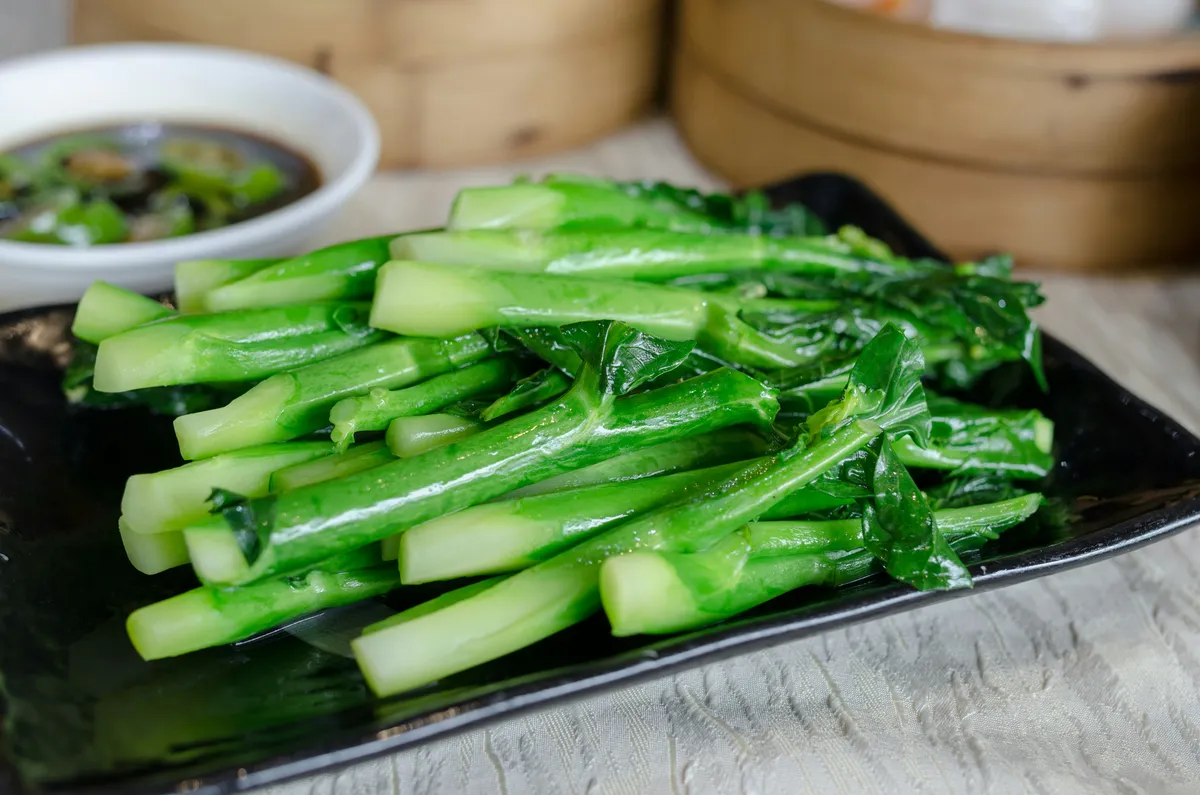
The classic preparation is dead simple. Blanch the choy sum in boiling water for about 60 to 90 seconds - just until the stems are bright green and tender-crisp. Drain, arrange on a plate, and drizzle with oyster sauce and a tiny bit of sesame oil. Done. This is the version my mom made, and it is still my favorite.
For a stir-fry, cut the stems into two-inch pieces and separate the leafy parts from the thicker stems. Get your wok screaming hot, add a splash of oil, toss in some minced garlic, then add the stems first. Give them about a minute head start before adding the leaves and flowers. A splash of shaoxing wine, a pinch of salt, and you are done in under three minutes.
The flowers make a beautiful garnish too. My kids think eating flowers is hilarious, which honestly makes choy sum one of the few vegetables they will eat without negotiation.
Growing Choy Sum with Kids
Speaking of kids - choy sum is a great vegetable for getting little ones involved in gardening. The seeds are big enough for small hands to handle, the plants grow fast enough to hold a child’s attention span, and harvesting feels like a real accomplishment when you can go from garden to dinner plate in the same afternoon.
My daughter likes to help with watering, which mostly means the plants get way too much water and I quietly adjust later. But she also gets genuinely excited when the yellow flowers appear, and she has started requesting “the flower vegetable” at dinner. I will take that win.
What to Grow Next
If choy sum clicks for you, the whole world of Asian greens opens up. Gai lan is the natural next step - similar growing conditions but with thicker stems and a slightly more bitter flavor. Bok choy is another easy one if you have not tried it yet. And if you are feeling adventurous, tatsoi forms beautiful rosettes that are cold-hardy enough to survive light snow.
The best part about growing Asian greens is that most of them share similar growing requirements - cool weather, consistent moisture, rich soil. Once you have the basics down with choy sum, you can rotate through different varieties all season long and keep your stir-fries interesting.
Happy growing. And if your first batch bolts too fast, do not sweat it. Mine did too. That is just the plant telling you to try again in fall.