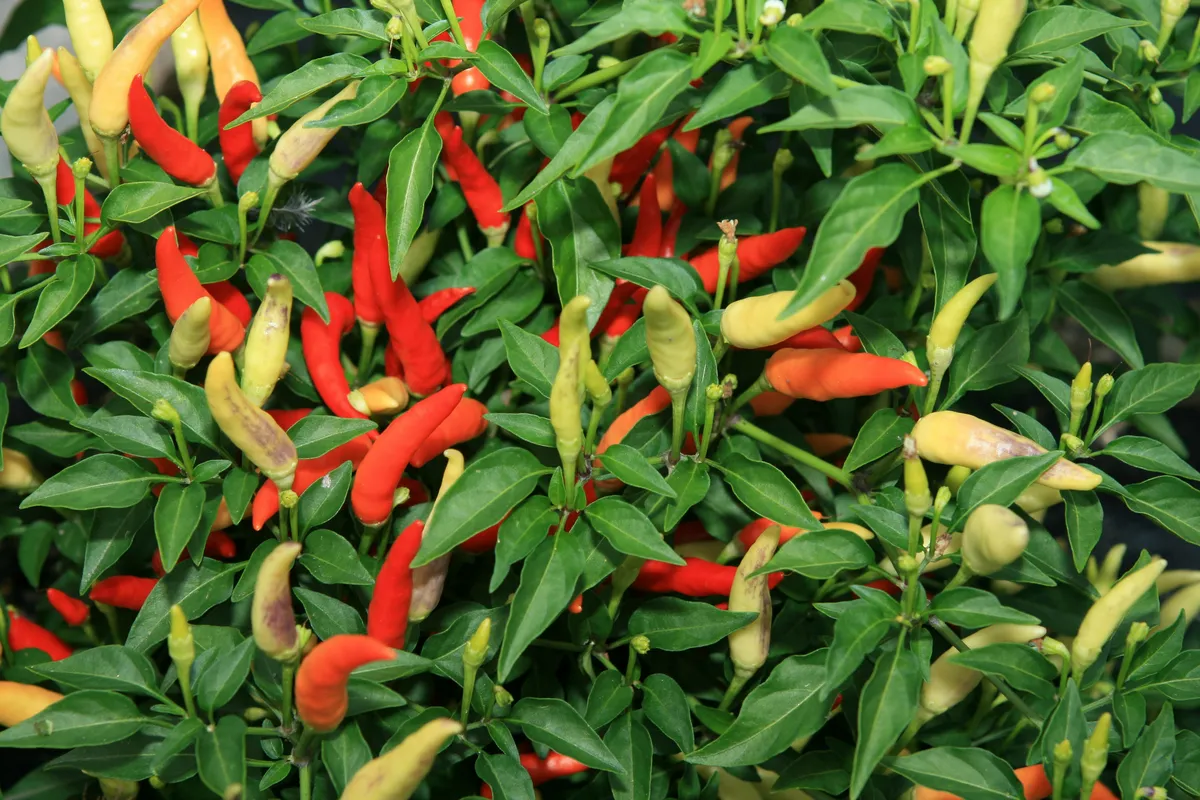
Growing Chinese Hot Peppers at Home: From Seed to Stir-Fry
There is a moment in every Chinese American kitchen that defines you as a cook. It is the moment you realize the dried chilies from the bag you bought at 99 Ranch three years ago have lost all their punch. They smell like dust. They taste like mild paprika. And the mapo tofu you were so excited about just tastes like… warm tofu with ambitions.
That is the moment I decided to grow my own Chinese hot peppers. And honestly, it has been one of the most rewarding kitchen garden projects I have ever taken on. Fresh Chinese chilies have a depth of flavor - fruity, smoky, and genuinely hot - that no aging bag from the back of your pantry can match. Plus, a single plant can produce fifty or more peppers in a season. That is a lot of kung pao chicken.
If you have a sunny spot - a balcony, a patio, even a south-facing window - you can grow Chinese hot peppers at home. Let me walk you through exactly how to do it.
Which Chinese Pepper Varieties Should You Grow?
Before you order seeds, it helps to know what you are working with. Chinese cuisine uses dozens of pepper varieties, but here are the most popular ones for home growing:
Chao Tian Jiao (Facing Heaven Peppers) - These are the iconic small red peppers that point straight up toward the sky, which is how they got their poetic name. They are the workhorses of Sichuan and Hunan cooking, with moderate heat (30,000-50,000 Scoville units) and a sweet, slightly citrusy flavor when dried. Compact plants that grow 3-4 feet tall, making them perfect for containers.
Tien Tsin Peppers - Named after the city of Tianjin, these are the thin, bright red chilies you see in kung pao chicken and hot oil. They pack more punch (50,000-75,000 Scoville units) and dry beautifully. Also called Chinese Red Peppers in many seed catalogs.
Er Jing Tiao - The signature pepper of Sichuan cuisine, slightly longer and milder than Tien Tsin. These are the ones you see by the handful in dishes like shui zhu yu (water-boiled fish). They have a wonderful fragrance when toasted in oil.
Xiao Mi La (Millet Peppers) - Tiny, fiery little peppers that pack serious heat. Named because they are about the size of millet grains. These are not for the faint of heart, but if you like your food genuinely spicy, they are incredible.
For your first time, I recommend starting with chao tian jiao. They are forgiving, productive, compact enough for containers, and versatile in the kitchen. You really cannot go wrong.
Starting from Seed
Chinese hot peppers are warm-season plants that need a long growing season. In most of the US, that means starting seeds indoors well before your last frost date.
When to start: 8-10 weeks before your last expected frost. In the New York City area, that means starting seeds in late February or early March. Yes, it feels absurdly early. Yes, it is worth it.
How to germinate:
Pepper seeds need warmth more than anything else during germination. Fill small pots or seed trays with a light seed-starting mix, plant seeds about a quarter inch deep, and keep the soil temperature between 75-85 degrees Fahrenheit. A heat mat makes this much easier, but you can also put them on top of your refrigerator or near a heating vent.
Keep the soil consistently moist but not soaking wet. Cover the trays with plastic wrap or a humidity dome to hold in moisture. You do not need light at this stage - warmth is what matters.
Germination takes 7-21 days, and honestly, it can feel like forever. I check mine every morning like a kid waiting for a package to arrive. When you finally see those tiny green loops pushing through the soil, it feels like a genuine victory.
Once seedlings emerge, remove the cover and move them to bright light immediately. A south-facing windowsill works, but a basic shop light hung a few inches above the seedlings is even better. Peppers that do not get enough light as seedlings will grow leggy and weak, and they never quite recover.
Transplanting Outdoors
Do not rush this step. Peppers are tropical plants and they hate cold. Wait until nighttime temperatures are consistently above 55 degrees Fahrenheit before moving your seedlings outside. In the NYC area, that usually means late May.
Hardening off: About a week before transplanting, start introducing your seedlings to outdoor conditions gradually. Set them outside in a sheltered spot for a few hours the first day, then increase exposure each day. This prevents transplant shock, which can set your plants back by weeks.
Container growing: Choose a pot that is at least 5 gallons (12 inches across) for each plant. Chinese hot peppers are compact enough that they do well in containers, which is great news for apartment balcony gardeners. Use a well-draining potting mix - I like mixing regular potting soil with about 25% perlite for extra drainage. Peppers do not like wet feet.
Garden bed planting: Space plants 18-24 inches apart in full sun. These peppers love heat, so if you have a spot against a south-facing wall that gets baked all day, that is actually ideal.
Ongoing Care
Chinese hot peppers are not fussy plants, but they do have some specific preferences.
Sunlight: Full sun, minimum 6-8 hours per day. More is better. These are plants that evolved in subtropical China, and they want all the warmth and light they can get. If your balcony only gets 4-5 hours of direct sun, the plants will survive but production will be disappointing.
Watering: Water deeply when the top inch of soil feels dry. In the heat of summer, container plants may need daily watering. The key is consistency - peppers that swing between bone dry and soaking wet will drop their flowers and you will get fewer peppers. I water mine every morning during July and August, and my wife has accepted that this is just part of who I am now.
Fertilizing: Feed every two weeks with a balanced fertilizer during the growing season. Once plants start flowering, switch to a fertilizer higher in phosphorus and potassium (something like 5-10-10) to encourage fruit production. Go easy on the nitrogen - too much will give you gorgeous leafy plants that produce almost no peppers.
Temperature: These peppers thrive between 70-90 degrees Fahrenheit. They slow down when temperatures drop below 60 or climb above 95. If you are in a very hot climate, afternoon shade during heat waves can help.
Pinching for bushier plants: When your seedlings are about 6-8 inches tall, pinch off the growing tip. This encourages branching and results in a bushier plant that produces more peppers. It feels wrong to cut off the top of a healthy plant, I know. Trust the process.
Common Problems and How to Fix Them
Flowers dropping without producing fruit: This is almost always a temperature or watering issue. Temperatures above 95 or below 55 at night cause blossom drop. Inconsistent watering is the other common culprit. Make sure your plants are getting steady moisture.
Aphids: These tiny green or black insects love pepper plants. Blast them off with a strong spray of water, or use insecticidal soap. Check the undersides of leaves regularly - that is where they hide.
Blossom end rot: Dark, sunken spots on the bottom of developing peppers. This is a calcium uptake issue usually caused by inconsistent watering, not a lack of calcium in the soil. Even watering is the fix.
Leggy seedlings: Not enough light during the indoor growing phase. If your seedlings are tall and spindly with lots of space between leaves, they need stronger light. Move them closer to a window or invest in a basic grow light for next year.
Slow growth: Peppers are not fast growers, especially early on. Do not panic if your seedlings seem to sit still for weeks after germination. They are building root systems. Once warm weather arrives and they get transplanted, growth accelerates dramatically.
Harvesting and Drying
This is the fun part. Chinese hot peppers can be harvested green or red, but for the best flavor - especially if you plan to dry them - wait until they turn fully red. This is when the sugars and complex flavors develop.
Fresh use: Pick peppers at any stage for cooking. Green peppers are milder and grassier. Red peppers are sweeter and hotter. Both are delicious in stir-fries, sauces, and soups.
Drying: This is how most Chinese peppers are traditionally used, and dried homegrown peppers are in a completely different league from store-bought. String your harvested red peppers on thread using a needle (poke through the stem end) and hang them in a warm, dry, well-ventilated area. They will dry in 2-3 weeks. You can also use a food dehydrator at 135 degrees Fahrenheit for about 8-12 hours.
Store dried peppers in an airtight jar in a cool, dark place. They will keep for a year or more, but honestly, you will use them way before then.
Making chili oil: Toast a handful of your dried homegrown peppers in a dry pan until fragrant (about 30 seconds - do not burn them), crush them into flakes, and pour hot oil over them. The aroma that fills your kitchen will make every neighbor in your building jealous. Add a pinch of Sichuan peppercorn for the full experience.
Growing Tips from One Plant Dad to Another
After a few seasons of growing Chinese hot peppers, here is what I have learned the hard way:
Start more seeds than you think you need. Germination rates for pepper seeds can be unpredictable, and you can always give extra seedlings to friends and neighbors. My neighbor Dave now grows chao tian jiao on his fire escape because I gave him a seedling two years ago. He still thanks me every time I see him.
Do not overwater seedlings. This is the number one killer. The soil should be moist like a wrung-out sponge, not wet.
Label your varieties. If you grow more than one type, label everything clearly from day one. Pepper seedlings all look basically identical, and six weeks later you will have no idea which pot is which. Ask me how I know.
Save seeds from your best plants. Let a few peppers fully ripen and dry on the plant, then harvest the seeds for next year. This is how my dad kept his pepper plants going for years without buying new seeds.
Wear gloves when handling hot peppers, especially during harvest. I once rubbed my eye after cutting Tien Tsin peppers without gloves. I do not recommend this experience. My daughter thought it was hilarious. She was wrong.
What to Cook First
Once you have your first harvest, here are some classic Chinese dishes that will showcase your homegrown peppers:
Dry your chao tian jiao and toss them whole into a wok with oil for kung pao chicken. Use fresh green peppers sliced thin in a simple stir-fry with pork and black bean sauce. Make a batch of chili crisp with your dried peppers, garlic, and Sichuan peppercorns - it goes on literally everything. Steep a few dried peppers in your next pot of hot and sour soup for a warmth that builds slowly and beautifully.
Growing your own Chinese hot peppers connects you to a tradition that goes back thousands of years. There is something deeply satisfying about walking out to your balcony, picking a handful of bright red peppers, and knowing that the meal you are about to cook starts right here, with something you grew yourself. My dad would approve. He would also tell me my peppers are not as good as his, but that is just how dads work.