Growing Chinese Eggplant at Home: Slim, Sweet, and Way Better Than Store-Bought
I grew up thinking I hated eggplant.
In my defense, every eggplant I encountered as a kid was the big, globe-shaped American kind - spongy, seedy, and bitter if you looked at it wrong. My mom would slice it thick, try to fry the bitterness out of it, and I would push it around my plate like I was directing traffic.
Then one summer, my uncle visited from Taiwan and brought seeds. Not just any seeds - Ping Tung Long eggplant seeds, from the Pingtung region of southern Taiwan. He planted them in my parents’ backyard in Queens, and a few months later, I ate my first real Chinese eggplant. Stir-fried with garlic and a splash of soy sauce, the flesh was creamy, sweet, and completely transformed. No bitterness. No sponge. Just pure silky deliciousness.
I have been growing Chinese eggplant every summer since.
Why Chinese Eggplant Is Different
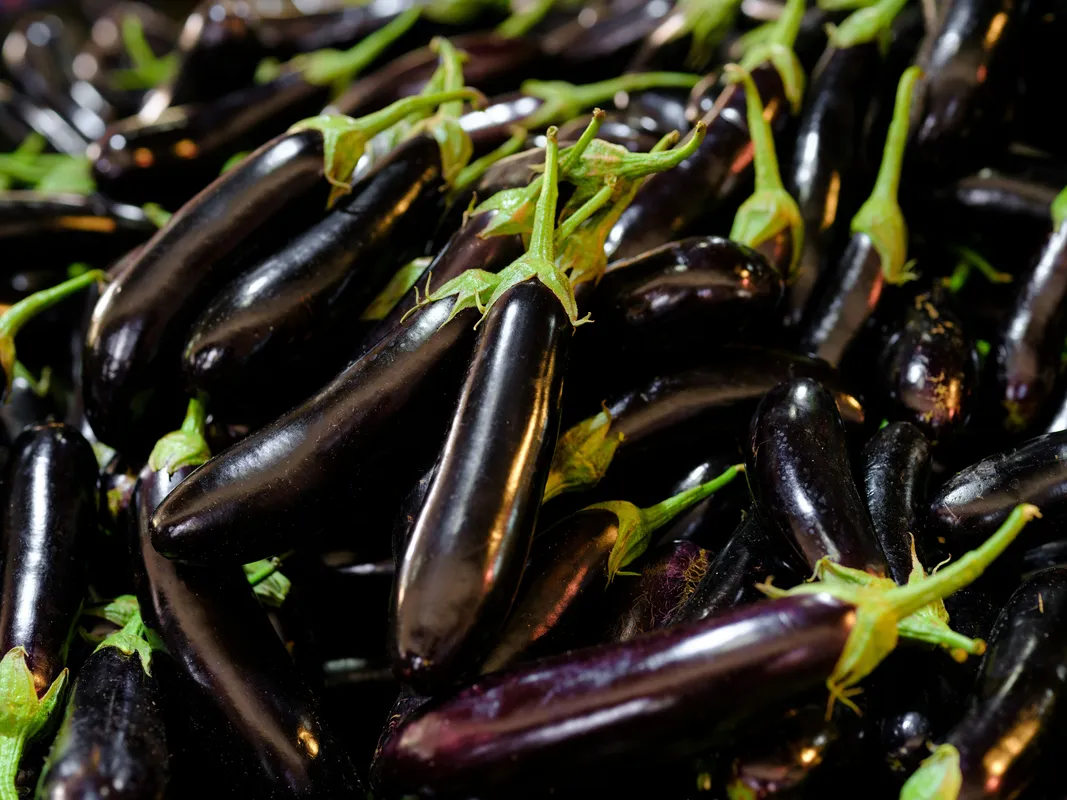
If you have only ever cooked with those big purple globes from the supermarket, Chinese eggplant (Solanum melongena) is going to change your life. These are the long, slender varieties - typically 10 to 14 inches long and about 2 inches in diameter. They have thinner skin, fewer seeds, and a naturally sweeter, more delicate flavor.
The practical difference in the kitchen is huge. You do not need to salt and drain Chinese eggplant to remove bitterness the way you might with Italian varieties. Just slice and cook. The thin skin means you do not need to peel it either. It absorbs sauces beautifully, cooks faster, and has a creamy texture that holds up to stir-frying, grilling, braising, and roasting.
For anyone cooking Chinese, Japanese, Thai, or Korean food at home, this is the eggplant you want.
Best Varieties to Grow
There are several excellent Chinese and Asian eggplant varieties, and most are easy to find from seed catalogs or online.
Ping Tung Long is my top recommendation, especially for beginners. This Taiwanese heirloom produces lavender-purple fruits about 12 inches long. The flesh is pearly white, sweet, and almost never bitter. Plants are vigorous, productive, and surprisingly disease-resistant. Each plant can produce dozens of fruits over the season. If you only grow one variety, make it this one.
Ichiban is a Japanese hybrid that is widely available at garden centers. The fruits are slightly shorter and darker purple. It matures a bit faster than Ping Tung - about 50 to 60 days from transplanting - which makes it a good choice if you have a shorter growing season.
Orient Express is another solid hybrid bred specifically for cooler climates. If you are in the Northeast like me and worry about whether eggplant will produce before fall, this variety sets fruit even when nighttime temperatures dip lower than most eggplants prefer.
Thai Long Green is worth trying if you cook a lot of Thai or Southeast Asian food. These are pale green, slightly wider, and have a firmer texture that holds up well in curries.
Starting From Seed
Chinese eggplant needs warmth to get going. Start seeds indoors 8 to 10 weeks before your last frost date. In the New York area, that means starting seeds in late February or early March.
Fill seed trays or small pots with a good seed-starting mix. Plant seeds about a quarter inch deep, water gently, and cover with a humidity dome or plastic wrap. Here is the important part: eggplant seeds need warm soil to germinate. We are talking 80 to 90 degrees Fahrenheit. A seedling heat mat is almost essential here. Without it, germination can take three weeks or longer. With a heat mat, you will see sprouts in 7 to 14 days.
Once seedlings emerge, remove the cover and move them under grow lights or a very sunny south-facing window. Give them 12 to 16 hours of light per day. Keep the soil moist but not soggy - eggplant seedlings are prone to damping off if conditions are too wet and cold.
When seedlings have two sets of true leaves, pot them up into 3- or 4-inch containers. Keep feeding them with a diluted liquid fertilizer every two weeks. They will look small and slow at first. That is normal. Eggplant is a warm-season crop and it takes its sweet time in the early stages.
Transplanting Outdoors
Do not rush this. Seriously. Eggplant hates cold. Wait until nighttime temperatures are consistently above 55 degrees Fahrenheit and soil temperature is at least 65 degrees. In New York, that usually means late May at the earliest, and honestly, early June is safer.
Harden off your seedlings by setting them outside for a few hours a day over the course of a week, gradually increasing their exposure to sun and wind. Then plant them in the ground or containers, spacing them about 18 to 24 inches apart.
Choose the sunniest spot in your garden. Chinese eggplant wants full sun - at least 6 to 8 hours of direct sunlight. More is better. If you are growing in containers, use at least a 5-gallon pot per plant. I use fabric grow bags and they work great for eggplant because the roots stay warm and the drainage is excellent.
Soil and Feeding
Eggplant is a heavy feeder. Amend your soil with compost before planting, and side-dress with more compost or a balanced granular fertilizer (10-10-10) once the plants start flowering. You can also use a liquid fertilizer like fish emulsion every two to three weeks during the growing season.
The ideal soil pH is between 6.0 and 6.8. If your soil is acidic, a little lime will help. If you are growing in containers, use a high-quality potting mix and plan to fertilize more frequently since nutrients wash out faster with regular watering.
Mulch around your plants with straw or shredded leaves. This keeps the soil moist, suppresses weeds, and helps maintain the warm soil temperature that eggplant loves.
Watering
Chinese eggplant likes consistent moisture but does not want to sit in water. Aim for about 1 to 2 inches of water per week, adjusting for rainfall and heat. Water at the base of the plant, not overhead - wet foliage invites fungal problems.
If you are growing in containers, you will need to water more often, potentially every day during peak summer heat. Stick your finger in the soil up to the first knuckle. If it is dry, water. If it is still moist, wait a day.
Inconsistent watering is one of the main causes of bitter eggplant and blossom end rot. Set a routine and stick to it.
Common Problems and How to Fix Them
Flea beetles are the number one pest for eggplant. These tiny black beetles chew small holes in the leaves, making them look like they have been hit with a tiny shotgun. The damage is mostly cosmetic on mature plants, but it can devastate seedlings. Floating row covers are the best organic defense - put them on right after transplanting and remove them when the plants start flowering so pollinators can do their thing.
Aphids occasionally show up, especially on new growth. A strong spray of water from the hose knocks most of them off. For persistent infestations, neem oil or insecticidal soap works well.
Blossom drop happens when temperatures swing too much or when the plant is stressed. If your eggplant flowers but the blossoms fall off without setting fruit, check your watering consistency and make sure nighttime temperatures are above 55 degrees. Sometimes the first flush of flowers drops and the plant sets fruit from the second round once conditions stabilize.
Verticillium wilt is a soil-borne fungal disease that causes leaves to yellow and wilt from the bottom up. Crop rotation is your best prevention - do not plant eggplant (or tomatoes, peppers, or potatoes) in the same spot two years in a row. If you are growing in containers, use fresh potting mix each year.
Harvesting
This is the fun part. Chinese eggplant is ready to harvest when the skin is glossy and the fruit gives slightly when you press it. Do not wait too long - overripe eggplant gets seedy and tough. For Ping Tung, harvest when fruits are about 10 to 12 inches long. For Ichiban, around 8 to 10 inches.
Use sharp pruning shears or a knife to cut the fruit from the plant. Do not pull or twist - eggplant stems are tough and you will damage the plant. Leave about an inch of stem attached to the fruit.
Harvest regularly to encourage more production. During peak season, you might be picking every two to three days. A single healthy plant can produce 15 to 20 fruits over the season, sometimes more.
What to Cook With Your Harvest
This is where I get excited. Chinese eggplant is incredibly versatile in the kitchen.
Yu xiang qie zi (fish-fragrant eggplant) is the classic Sichuan dish that converts eggplant haters. Despite the name, there is no fish - just a savory, sweet, slightly spicy sauce that clings to soft eggplant pieces. My mom’s version uses garlic, ginger, doubanjiang (chili bean paste), soy sauce, vinegar, and a touch of sugar. It takes about 15 minutes.
For something simpler, slice the eggplant lengthwise, brush with sesame oil and a mix of miso and mirin, and grill until charred and soft. My kids actually request this one, which still surprises me.
Chinese eggplant also works beautifully in curries, baked with garlic and tahini, or simply stir-fried with Thai basil and chili. If you are growing Thai basil too (and you should be), that combination is incredible.
Tips for Next Season
If this is your first year growing Chinese eggplant, start with Ping Tung Long or Ichiban - they are the most forgiving. Save seeds from your best-producing plant if you are growing an open-pollinated variety like Ping Tung (hybrids will not come true from seed).
Consider succession planting by starting a second round of seeds indoors about 4 weeks after your first batch. This extends your harvest into fall and gives you a backup if early plants get hammered by flea beetles.
And if you are growing in a small space, do not count eggplant out. A single plant in a 5-gallon container on a sunny balcony can produce more than enough eggplant for a family of four. My balcony garden in our old apartment in Flushing was where I grew my first successful eggplant plant. Sometimes constraints force creativity.
Growing Chinese eggplant connects me to my family’s food traditions in a way that buying it from the grocery store never could. There is something about cutting an eggplant from a plant you grew from seed, carrying it inside, and turning it into the same dish your mom made - that hits different. Give it a try this summer. Your stir-fries will thank you.