Bitter Melon: The Vegetable That Divided My Family (And Why I Grow It Anyway)
There are two kinds of people in Chinese families: those who love bitter melon, and those who leave the table when it appears on the stove.
I grew up in the second camp.
My mom would stir-fry it with egg and a splash of soy sauce, and the moment that smell hit the kitchen, I would suddenly remember I had urgent homework to do in my bedroom. The bitterness was intense - not the pleasant bitterness of dark chocolate, but something sharper, more insistent, the kind of flavor that makes your face do things.
My grandmother, though. She loved it. She’d heap it on her bowl and eat it slowly, the way she ate everything deliberate and unhurried. She told me it cooled the body in summer, that it was good for the blood, that in her village everyone ate it when the heat got bad. She said this every single time. She was not above a little light propaganda.
I thought she was just trying to get me to eat more vegetables.
Now I’m the one growing it in containers on my balcony in Queens. And if my kids run from the kitchen when I cook it, I honestly can’t blame them.
Why Bitter Melon, of All Things
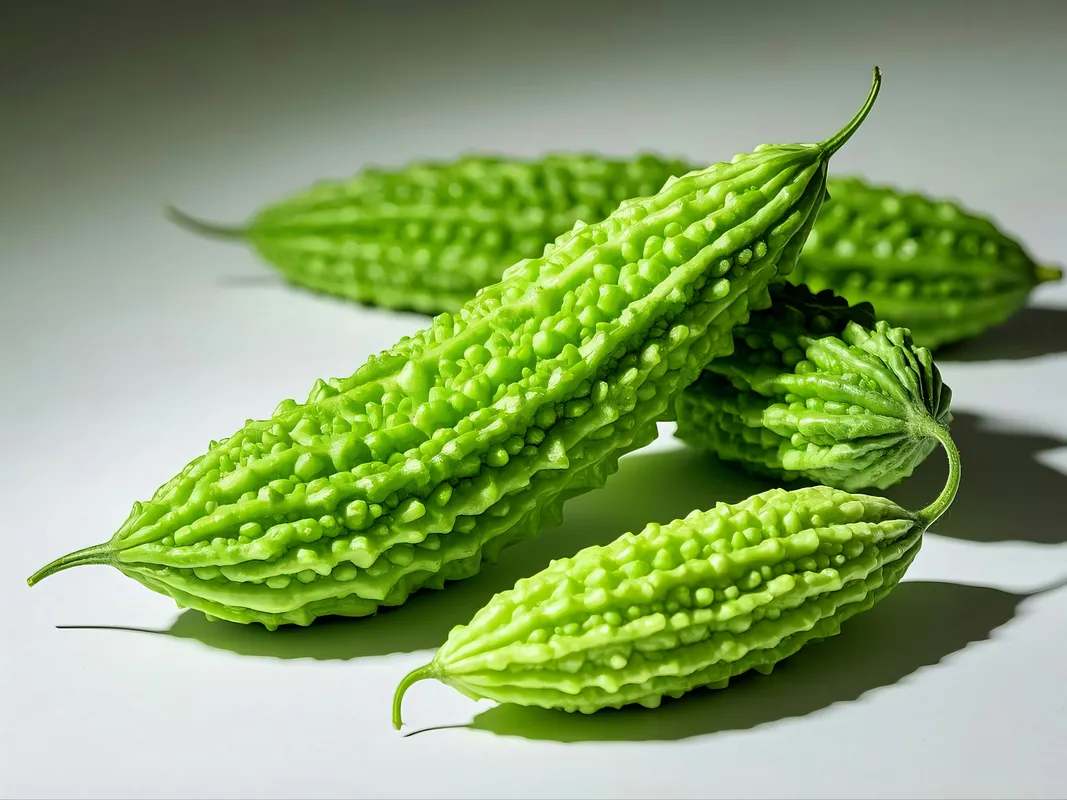
Bitter melon (Momordica charantia) is a tropical vine in the gourd family - a cousin to cucumber, squash, and zucchini. It grows fast, climbs aggressively, and produces fruit that looks like a lumpy cucumber that went through something.
There are two main varieties you’ll encounter. Chinese bitter melon is longer and paler, about 8-12 inches, with a gentler rippled surface and slightly milder flavor. Indian bitter melon is shorter and more pointed, with sharper ridges and a more intense bitterness. Both are used across Southeast and East Asian cooking, though the Chinese variety is what I grew up eating.
It’s also genuinely nutritious. It’s high in vitamin C, folate, and potassium. It contains compounds that traditional Chinese medicine has used for centuries to support digestion and manage summer heat. Modern research is investigating it for blood sugar regulation, though I want to be careful not to overstate that - the research is promising but not conclusive.
But if I’m honest, I don’t grow it because it’s nutritious. I grow it because it connects me to something I can’t quite name. A grandmother who is no longer here. A kitchen that always smelled like ginger and garlic. Summer in a way that feels specific to childhood.
Grief is weird. Sometimes it comes out as a decision to plant a vine on your balcony.
How to Actually Grow Bitter Melon in Containers
Here’s the thing: bitter melon is genuinely not that hard to grow. It wants heat, it wants sun, it wants something to climb. Give it those three things and it will reward you with more fruit than you know what to do with, which is its own kind of problem when your household is divided on whether bitter melon is food or punishment.
Timing
Bitter melon is a tropical plant - it does not want cold. In New York, that means starting seeds indoors in late March or April, and moving plants outside after the last frost, typically mid-May. If you’re in a warmer climate, you can start directly in the ground once nighttime temps are reliably above 60 degrees.
The plants need a long, warm season to produce well, so starting early matters. Don’t rush them outside - a cold snap can set them back weeks.
Seeds
Bitter melon seeds have a hard coat that slows germination. Before planting, soak them overnight in warm water. You’ll see some start to split slightly - those are the eager ones.
Plant them about an inch deep in seed starting mix or moist potting soil. One or two seeds per pot. Keep them warm (70-80 degrees is ideal) and in a sunny spot. Germination takes anywhere from a week to three weeks - this is not a plant that appreciates being rushed.
You can find bitter melon seeds at most Asian grocery stores in spring, or online. I’ve had good luck with seeds from the bulk bins at H Mart - they’re cheap and fresh.
Container Size
Go bigger than you think you need. Bitter melon has an aggressive root system and needs consistent moisture during fruiting. I use 15-gallon fabric pots, and they perform noticeably better than the 5-gallon containers I tried my first year.
At minimum, use a container that’s 12 inches deep. A 5-gallon pot will work but you’ll need to water constantly and the plants will be smaller.
Trellis
This is the part people underestimate. Bitter melon vines can reach 12-15 feet in a single season. They climb by tendrils, grabbing whatever they can find, and they will absolutely take over your balcony railing, your neighbor’s plants, and any lawn furniture left unattended.
Set up a trellis before you transplant the seedlings. I use a combination of bamboo stakes zip-tied together into a grid, attached to the balcony railing. Some people use tomato cages, but they’re not tall enough - you’ll need vertical space.
The vines are actually beautiful once they get going. The leaves are deeply lobed, dark green, and the yellow flowers are delicate and pretty. Before the fruits appear, it legitimately looks like a fancy ornamental vine. Then the bitter melons show up and the illusion is over.
Water and Fertilizer
Bitter melon is a heavy feeder and a thirsty plant. Water consistently - container plants in summer can need water daily in hot weather. Let the top inch or two of soil dry out between waterings, but don’t let it go completely dry, especially when fruit is setting.
Fertilize every two weeks with a balanced liquid fertilizer during the growing season. Once flowers appear, switch to something with a bit more phosphorus and potassium (lower nitrogen) to encourage fruiting over leafy growth.
Pollination
Here’s where apartment growing gets a little hands-on. Bitter melon has separate male and female flowers on the same plant. Male flowers appear first - they have a straight stem. Female flowers come later - they have a tiny immature fruit at their base.
In the garden, bees handle pollination. On a high-rise balcony, you may need to help. When both types of flowers are open, use a small paintbrush or a cotton swab to transfer pollen from a male flower to the center of a female flower. I feel ridiculous doing this. I do it anyway. It works.
Harvesting
This is the most important part of the whole operation: harvest early.
Bitter melon is - and I cannot stress this enough - bitterest when fully ripe. The conventional wisdom is to harvest when fruits are still bright green, firm, and about 4-6 inches long (for the Chinese variety) or 3-4 inches (for Indian varieties). At this stage, the bitterness is present but more manageable.
If you leave them on the vine, they turn orange, then red, and split open to reveal bright red seeds encased in sweet jelly. At this stage they are basically inedible as a vegetable but interesting to look at. The birds love them. My kids find the red seeds genuinely cool.
I’ve made the mistake of leaving them too long. I’ve also had guests who grew up eating Indian bitter melon tell me my Chinese variety is “not bitter at all.” It’s all relative.
Cooking It (So Your Family Doesn’t Leave the Table)
The classic preparation in our house is bitter melon with eggs: slice the melon thin, salt it and let it sit for 10 minutes to draw out some bitterness, rinse, then stir-fry with scrambled eggs and soy sauce. The egg softens the bitterness and adds richness. This is the preparation that made me a convert.
The salting step is not optional if you have bitterness-averse family members. It genuinely makes a difference. Some people blanch the slices briefly in boiling water before cooking for the same effect.
My grandmother also made it in soup with pork ribs - a long, slow simmer that mellows everything. It’s deeply comforting in a way that’s hard to explain if you didn’t grow up eating it.
I have been gradually introducing my kids to it in small doses. My older one (age 9) has decided it’s “not that bad” when cooked in egg, which feels like a significant diplomatic breakthrough. My younger one (age 6) remains in the bedroom-homework camp.
We’re working on it.
What It’s Actually About
I think a lot about what we pass down to our kids. Language feels urgent and obvious - we work at it, we have a tutor, we argue about screen time in Mandarin. But there are quieter things: the way my mom makes soup, the specific vegetables that feel like home, the tolerance for flavors that polite American culture has always regarded with suspicion.
Bitter melon tastes like my grandmother’s kitchen. It tastes like summer in Flushing. It tastes like being dragged to the farm stand at the edge of town where the aunties sold vegetables I couldn’t name in English.
Growing it on my Queens balcony is a small act of stubbornness. A refusal to let those tastes become someone else’s food, something you only find at restaurants, something exotic. It grows in a container. It feeds us. My kids are learning that bitter is just a flavor, not a verdict.
That feels worth the effort of hand-pollinating flowers at 7am while still in my pajamas.
If you want to start your own bitter melon experiment, pick up seeds in late winter, start them indoors, and give them a real trellis. They will climb everything and produce more than you expect. You’ll have to decide what to do with all that bitterness.
I suggest making eggs.