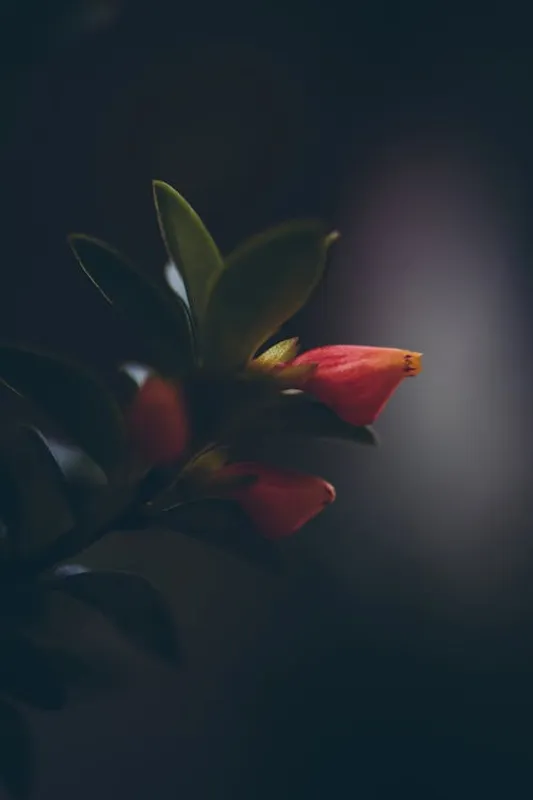
There is a plant that grows tiny orange flowers shaped exactly like puffy little goldfish, and honestly, that should be all the convincing you need. The goldfish plant (Nematanthus gregarius) is one of those houseplants that makes people do a double take. Every single person who visits our apartment eventually spots it on the shelf and says some version of “wait, are those real?”
Yes. They are real. And they are spectacular.
I stumbled across my first goldfish plant at a plant swap in Brooklyn about two years ago. Someone had propagated a bunch of cuttings and was practically giving them away. I grabbed one mostly because my son thought the flowers looked like Cheeto puffs. He was four. He was not entirely wrong. That little cutting is now a gorgeous trailing plant that blooms reliably every spring, and it remains one of the most conversation-starting plants in the house.
What Makes the Goldfish Plant Special
Nematanthus gregarius is a tropical epiphyte native to southern Brazil, where it grows on tree branches in humid, shaded forests. It belongs to the Gesneriaceae family, making it a cousin of African violets and lipstick plants. If you have had success with either of those, you will feel right at home with this one.
The thick, waxy, dark green leaves grow along trailing stems that can reach two to three feet long. They have a succulent quality to them - plump and glossy, almost like they have been polished. But the real star of the show is the flowers. Those puffy, pouch-shaped orange blooms emerge along the stems and genuinely look like tiny goldfish swimming through the foliage. It is one of the most delightful things in the entire plant kingdom, and I will fight anyone who disagrees.
Goldfish plants bloom most heavily in spring and summer, but with the right conditions, you can get sporadic flowers throughout the year. The key is understanding what this little tropical weirdo actually wants.
Light Requirements
This is the single biggest factor in whether your goldfish plant will bloom or just sit there looking green and disappointed.
Bright, indirect light is what you are aiming for. An east-facing window is ideal - it gives the plant gentle morning sun without the scorching afternoon intensity. A north-facing window can work if it is particularly bright, but you might see fewer flowers. West-facing windows are fine too, just pull the plant back a foot or so during peak summer afternoons.
Direct midday sun will scorch the leaves. You will know if this is happening because the leaves will start looking washed out or develop brown, crispy patches. On the flip side, too little light means no flowers and leggy, stretched-out growth. If your plant is growing but refusing to bloom, insufficient light is almost always the culprit.
I keep mine on a high shelf about three feet from a southeast-facing window, and it gets roughly five to six hours of bright filtered light per day. That seems to be the sweet spot for consistent blooming.
If you are stuck with a darker space, a grow light can absolutely make up the difference. Even a basic LED grow light running for eight to ten hours a day will keep this plant happy and blooming.
Watering
Goldfish plants like their soil to stay lightly moist but never soggy. Think of it like a wrung-out sponge - damp but not dripping. The thick, waxy leaves can store some moisture, so the plant is a bit more forgiving of underwatering than overwatering.
Water when the top inch of soil feels dry. Stick your finger in there - if it feels dry to the first knuckle, give it a drink. In spring and summer when the plant is actively growing and blooming, this might be every five to seven days. In winter, you can cut back to every ten days or so.
The one thing goldfish plants really do not appreciate is sitting in water. Make sure your pot has drainage holes, and dump out the saucer after watering. Root rot is the fastest way to lose this plant, and it sneaks up on you because the waxy leaves can look fine for a while even after the roots have started to suffer.
A quick tip from experience: goldfish plants can be a little sensitive to heavily chlorinated tap water. If your tap water is particularly harsh, letting it sit out overnight or using filtered water can help prevent leaf spotting. I noticed tiny brown spots on the leaves when I first brought mine home and switched to filtered water. Problem solved within a couple of weeks.
Soil and Potting
Remember that this is an epiphyte - in the wild, it grows on tree branches, not in dense ground soil. Your potting mix should reflect that. You want something light, chunky, and fast-draining.
A good goldfish plant mix looks something like this:
- One part regular potting soil
- One part perlite
- One part orchid bark or coco coir chunks
This gives you moisture retention without becoming a soggy mess. If you have a go-to aroid mix, that will work great here too. The goal is roots that can breathe and dry out between waterings without baking completely.
Goldfish plants do not mind being slightly rootbound, and they actually tend to bloom better when their roots are a little snug. Repot every two to three years or when you see roots circling the bottom of the pot. Go up only one pot size - jumping to a much larger pot holds too much moisture and invites root rot.
Spring is the best time to repot, right before the active growing season kicks in.
Humidity
Here is where the goldfish plant’s tropical origins really show. It prefers humidity levels above 50%, and ideally in the 60-80% range. For those of us living in apartments with forced-air heating that turns the air into a desert every winter, this requires some effort.
The easiest solutions:
- Pebble tray. Fill a shallow tray with pebbles and water, and set the pot on top. As the water evaporates, it creates a little humid microclimate around the plant.
- Humidifier. If you have multiple tropical plants (and let us be real, you probably do), a small humidifier near your plant shelf is the most effective option.
- Bathroom placement. If your bathroom gets decent light, a goldfish plant will absolutely thrive in there. The steam from showers is like a spa day for this plant.
- Grouping plants together. Plants naturally release moisture through transpiration. Clustering tropical plants creates a shared humidity zone.
Misting is sometimes recommended, but honestly, the effect is so temporary that it is not worth the effort. The water evaporates within minutes and does very little for sustained humidity. Save yourself the trouble and invest in a pebble tray or humidifier instead.
If the humidity drops too low, you will notice the leaf tips turning brown and crispy, and the plant may start dropping leaves. That is your cue to up the moisture game.
Temperature
Goldfish plants are comfortable in typical household temperatures between 65 and 80 degrees Fahrenheit (18 to 27 degrees Celsius). They are not fans of cold drafts, so keep them away from drafty windows, exterior doors, and air conditioning vents.
Here is a pro tip for better blooms: goldfish plants benefit from a slight temperature drop in fall and winter. Letting nighttime temperatures dip to around 60 degrees Fahrenheit (15 degrees Celsius) for six to eight weeks can help trigger heavier spring blooming. Think of it as a rest period - the plant slows down, conserves energy, and then puts on a big show when spring arrives.
You do not need to go out of your way to create this. In most homes, the natural temperature fluctuation between a heated room during the day and a slightly cooler night does the trick. Just avoid putting the plant right next to a radiator or heat source.
Feeding
During the growing season (spring through early fall), feed your goldfish plant every two to four weeks with a balanced liquid fertilizer diluted to half strength. A fertilizer with a slightly higher phosphorus content (the middle number in the N-P-K ratio, like 10-30-20) can encourage more blooms.
Stop fertilizing in winter when the plant is resting. Feeding a dormant plant just leads to salt buildup in the soil, which can burn the roots.
One thing to watch for: too much nitrogen encourages lots of leafy green growth at the expense of flowers. If your plant is growing like crazy but not blooming, check your fertilizer. You might be giving it too much nitrogen-heavy food.
Pruning and Shaping
Goldfish plants respond beautifully to regular pruning. In fact, pinching back the growing tips is one of the best things you can do for this plant. It encourages branching, which means more stems, which means more potential flower sites.
After the main bloom period ends in late summer, give the plant a good trim. Cut stems back by about a third. This keeps the plant compact and bushy rather than leggy and sparse. It also redirects energy into new growth that will produce next year’s flowers.
Do not throw away those cuttings - they root easily and make great gifts. More on that in a moment.
If you notice any dead, yellowed, or bare stems, snip them off at the base. They are not coming back, and removing them lets the plant focus its energy on healthy growth.
Propagation
Goldfish plants are absurdly easy to propagate from stem cuttings, which is how I ended up with mine in the first place.
Here is the method that works best:
- Take a four to six inch cutting from a healthy stem, snipping just below a leaf node.
- Remove the leaves from the bottom half of the cutting.
- Dip the cut end in rooting hormone (optional but helpful).
- Stick the cutting into a small pot filled with moist perlite, sphagnum moss, or a light potting mix.
- Cover loosely with a clear plastic bag or place in a propagation box to maintain humidity.
- Keep the cutting warm (around 70 degrees Fahrenheit) and in bright, indirect light.
Roots typically develop within two to four weeks. You will know it is working when you see new growth at the tip. Once the cutting has a solid root system, you can pot it up in regular goldfish plant soil mix.
Spring and early summer are the best times to propagate, when the plant is in active growth mode. I usually take cuttings right after my annual post-bloom pruning - it is a two-for-one deal.
Common Problems and How to Fix Them
Leaf drop. This is the most common complaint. Goldfish plants drop leaves when they are stressed - usually from sudden temperature changes, drafts, overwatering, or low humidity. Identify the cause and correct it. The plant usually recovers within a few weeks.
No flowers. Nine times out of ten, this is a light issue. The plant needs bright, indirect light to bloom. It can also help to give it a cool rest period in winter and make sure you are not over-fertilizing with nitrogen.
Leggy growth. Not enough light, or the plant has not been pruned in a while. Move it to a brighter spot and give it a trim to encourage bushier growth.
Brown leaf tips. Low humidity. Increase humidity with a pebble tray, humidifier, or by grouping plants together.
Pests. Mealybugs and spider mites are the usual suspects. Check the undersides of leaves and along the stems regularly. Treat with neem oil or insecticidal soap at the first sign of trouble. Catching pests early makes all the difference.
Sticky residue on leaves. This can be a sign of scale insects or the natural nectar that flowers sometimes produce. Check carefully for pests before assuming it is harmless.
Why You Should Give This Plant a Chance
The goldfish plant is one of those houseplants that rewards you with something genuinely unique. There are plenty of plants with pretty leaves, and plenty with nice flowers, but very few that make you laugh out loud the first time you see them bloom. Those goofy little orange pouches are pure joy.
It is also more forgiving than its tropical origins might suggest. Give it bright light, decent humidity, and a soil mix that drains well, and it will reward you with cascading stems covered in tiny fish-shaped flowers. My son still checks on “the fish plant” every morning, and honestly, so do I.
If you are looking for something a little different - something that is easy to care for but makes people stop and stare - the goldfish plant is your answer. Grab a cutting from a friend, a plant swap, or your local nursery. You will not regret it.