The Gardenia That Smells Like Every Summer in China
If you have ever walked through a Chinese city in June, you know the smell. It stops you mid-step. Sweet, creamy, almost dizzyingly rich - the scent of gardenia flowers is one of those things that rewires your brain for a second and sends you somewhere else entirely.
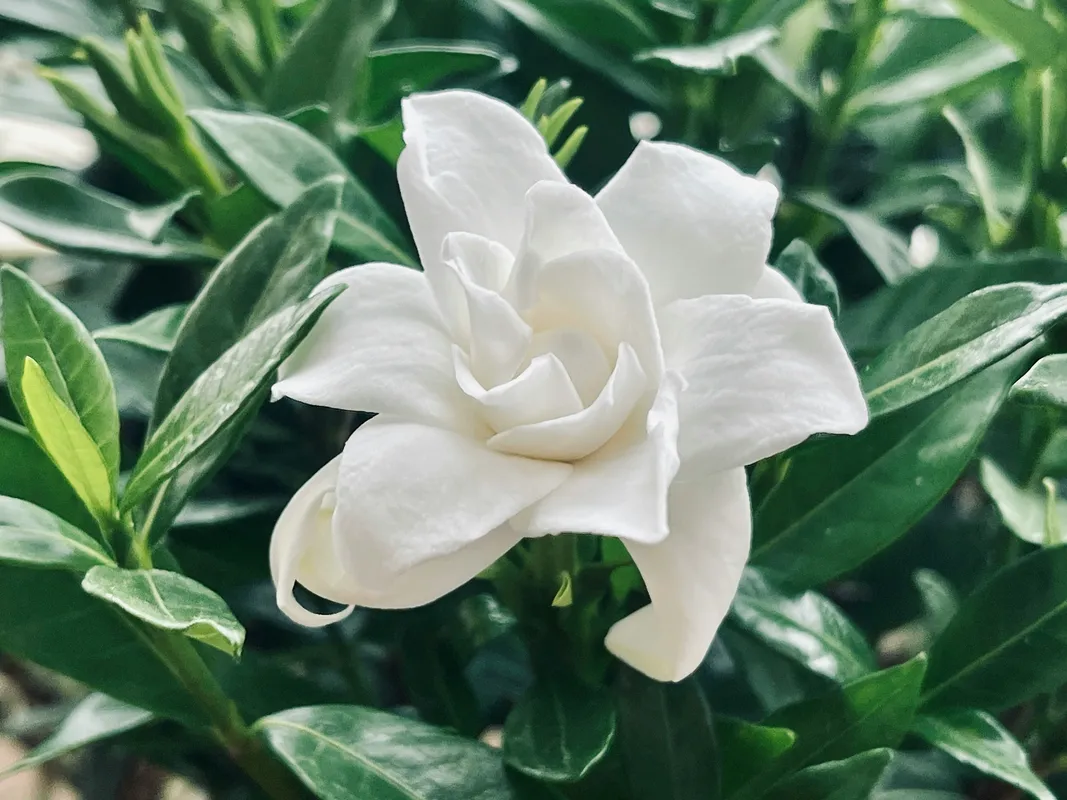
For me, that somewhere is my grandmother’s courtyard in Hangzhou, where a gardenia bush the size of a small car bloomed every summer like clockwork. In Mandarin we call it zhi zi hua, and it is, without exaggeration, one of the most beloved flowers in Chinese culture. Street vendors sell fresh gardenias pinned to little wire clips for women to wear in their hair or attach to their clothes. My grandmother always had one tucked behind her ear when the bush was blooming. She smelled like summer.
I have been trying to grow gardenias indoors in my apartment for about two years now. I want to be upfront: it has been humbling. This is not a set-it-and-forget-it plant. But the payoff when those waxy white flowers finally open and fill the room with that scent - honestly, it makes every dropped bud and yellowed leaf worth it.
Why Gardenias Matter in Chinese Culture
Gardenia jasminoides has been cultivated in China for well over a thousand years. The name zhi zi actually refers to the fruit of the plant, which has been used in traditional Chinese medicine for centuries. The fruit is considered cooling in nature and has been a folk remedy for inflammation and restlessness. You can still find dried zhi zi at any traditional Chinese medicine shop - small, reddish-orange pods that look like tiny lanterns.
But it is the flowers that hold the real cultural weight. In Chinese tradition, gardenias symbolize purity, grace, and joy. They are associated with the transition from spring to summer, and their bloom time in late May through July coincides with some of the most nostalgic months of the Chinese calendar.
The street vendor thing is not an exaggeration, by the way. Every June in cities across southern China, you will see older women (and some men) with small bunches of fresh gardenia blossoms tucked into their shirt buttonholes or pinned to their collars. A little cluster might cost the equivalent of fifty cents. The scent follows you around all day.
My grandmother used to say that gardenias were the most honest flower because they only smell good when they are fresh. Once they start to brown, the fragrance disappears. No lingering, no fading out gracefully - just here and then gone. She probably did not mean it as a life lesson, but it landed like one anyway.
My First Attempt (A Disaster, Naturally)
I bought my first gardenia at a big box garden center about two years ago. It was covered in buds, looked gorgeous, and cost twelve dollars. I brought it home, put it on our east-facing windowsill, and within two weeks every single bud had dropped off without opening. The leaves started yellowing a week after that.
If you have grown gardenias before, you are probably nodding right now. Bud drop is the number one complaint from indoor gardenia growers, and it happens for about six different reasons, all of which I managed to trigger simultaneously.
The apartment was too dry. The water from our tap was too alkaline. The spot I chose did not get enough light. And I panicked and overwatered when the leaves started looking sad, which made everything worse.
I composted that plant and spent the next three months reading everything I could find about indoor gardenia care. Then I tried again.
What I Have Learned About Growing Gardenias Indoors
Let me save you some heartbreak with the things I wish someone had told me on day one.
Light - More Than You Think
Gardenias need serious light. We are talking six to eight hours of bright, indirect light per day, and a few hours of gentle direct morning sun is even better. A south-facing or east-facing window is ideal.
My current gardenia sits right next to our south-facing window and gets supplemental light from a grow light during the shorter winter days. Without that extra light from about November through February, the plant just sulks and drops leaves.
If your apartment faces north or gets limited natural light, I would honestly suggest choosing a different plant. Gardenias without enough light will survive but they will not flower, and the flowers are the entire point.
Water - The Goldilocks Problem
Gardenias want evenly moist soil. Not wet, not dry, not fluctuating wildly between the two. Consistent, even moisture. This sounds simple but it is surprisingly tricky in practice.
I water when the top inch of soil feels dry, which during summer is about every three to four days. In winter I back off to once a week or so. The critical thing is using the right water. Gardenias are acid-loving plants that prefer a soil pH between 5.0 and 6.0. If your tap water is hard or alkaline - and in most of New York City, it is slightly alkaline - it will slowly push your soil pH up and cause yellowing leaves.
I collect rainwater when I can. When I cannot, I let tap water sit out overnight and add a tiny splash of white vinegar - maybe a quarter teaspoon per gallon - to bring the pH down slightly. Is this extra work? Yes. Does the plant care? Also yes.
Humidity - The Deal Breaker
This is where most indoor gardenias fail, especially in northern climates. Gardenias want at least 60% humidity. Your average New York apartment in January runs about 20-25% with the heat blasting. That is a recipe for bud drop, brown leaf edges, and a very sad plant.
I run a humidifier near my plant shelf from October through March. It is not optional - I tried going without it the first winter and lost every bud the plant had set. A pebble tray helps too, but on its own it is not enough during the driest months.
Misting the leaves sounds like it should help, but it can actually encourage fungal problems on gardenias. Better to raise the ambient humidity in the room than spray the plant directly.
Soil and Feeding
Use an acidic, well-draining potting mix. I use a peat-based mix with extra perlite for drainage, and I add a small amount of pine bark fines to help maintain acidity over time.
During the growing season from April through September, I feed every three weeks with an acid-loving plant fertilizer - the kind marketed for azaleas and camellias works perfectly. Look for one with added iron, because gardenias are prone to iron chlorosis (yellowing leaves with green veins) when the soil pH drifts too high.
Stop fertilizing completely in fall and winter. The plant is resting, and pushing it with fertilizer during dormancy does more harm than good.
Temperature - The Secret to Buds
Here is something that took me way too long to figure out: gardenias need cool nights to set flower buds. Daytime temperatures of 65-70 degrees Fahrenheit are ideal, with nighttime temps dropping to 60-65 degrees. That temperature differential is what triggers bud formation.
This works in my favor during New York winters because the area near the window naturally gets cooler at night. But if your plant is sitting near a heat vent that keeps it at a constant 72 degrees around the clock, it may grow fine but never flower.
Just do not let temperatures drop below 50 degrees. Gardenias are subtropical and will not tolerate genuine cold.
Common Problems and What to Do
Bud drop is the big one. The buds form, swell up, look promising, and then fall off before opening. Causes include low humidity, inconsistent watering, sudden temperature changes, and moving the plant once buds have formed. My biggest tip: once you see buds developing, do not move the plant. Do not rotate it. Do not even look at it funny. Just leave it alone and keep conditions stable.
Yellowing leaves with green veins usually means iron deficiency caused by soil that has become too alkaline. Test your soil pH if you can. A dose of iron chelate or a soil acidifier can help in the short term, but you may need to repot with fresh acidic mix if the pH has drifted too far.
Brown leaf tips point to low humidity or salt buildup in the soil from tap water. Flush the soil with distilled water a few times and bump up your humidity game.
No flowers at all in a plant that otherwise looks healthy usually means not enough light or not enough temperature variation between day and night. Try moving it to a brighter spot and making sure it gets those cooler nighttime temperatures.
Mealybugs and scale love gardenias. Check the undersides of leaves and along the stems regularly. I have had good luck with neem oil spray as a preventive measure every few weeks during the growing season. For active infestations, rubbing alcohol on a cotton swab works for small outbreaks.
The Moment That Makes It Worth It
My current gardenia produced its first indoor blooms last July. Four flowers over the course of about two weeks. They were smaller than the ones my grandmother’s outdoor bush produced - maybe two inches across instead of three - but the scent was identical. That rich, creamy, almost buttery sweetness that hits you from across the room.
My daughter, who is three and a half now, grabbed my hand and pulled me over to the plant. “Daddy, smell this.” She had her face about an inch from a bloom, breathing in like she was trying to memorize it. And I thought about my grandmother in her courtyard, tucking a flower behind her ear, and how scent is this invisible thread connecting people across oceans and decades.
I called my mom that night and told her about the flowers. She said, “Your grandmother would say you are making a big fuss over one plant.” Then she paused and added, “But she would have liked that you grew it.”
Should You Try Growing a Gardenia?
I am going to be honest with you: gardenias are a solid step up in difficulty from most popular houseplants. If you are still figuring out when to water your pothos, maybe bookmark this for later. But if you have some experience, decent light, and you are willing to fuss over humidity and soil pH, gardenias are one of the most rewarding plants you can grow indoors.
The scent is unlike anything else. Not like jasmine, not like roses, not like any candle or air freshener. It is its own thing - heavy and sweet and somehow both tropical and old-fashioned at the same time.
Look for Gardenia jasminoides, sometimes sold as cape jasmine. The compact varieties bred for containers, like ‘Kleim’s Hardy’ or ‘Radicans’, tend to do better indoors than the full-size landscape varieties. Buy one that already has buds if you can, so you know the plant is mature enough to flower.
Put it in your brightest window. Give it acidic soil, consistent water, and a humidifier. Talk to it if you want - I am not saying it helps, but I am not saying it does not.
And when those first flowers open, stand there and breathe it in. Let the scent take you wherever it takes you. For me, it goes straight to a courtyard in Hangzhou, to a grandmother with a white flower behind her ear, to a summer that smells like everything good in the world.
Some plants are worth the trouble. Gardenias are at the top of that list.