Fittonia Care: The Tiny Drama Queen That Faints When Thirsty
The first time my Fittonia collapsed, I thought it was dead. Completely flat. Leaves drooping like wet paper towels. I was about to toss it in the compost when my wife said, “Just water it.”
Twenty minutes later, it was standing upright like nothing happened.
That is the Fittonia experience in a nutshell. These little plants are gorgeous, affordable, endlessly dramatic, and surprisingly forgiving once you understand what they want. If calatheas are the high-maintenance friend who ghosts you after one mistake, Fittonias are the friend who throws a tantrum but forgives you immediately.
What Is a Fittonia?
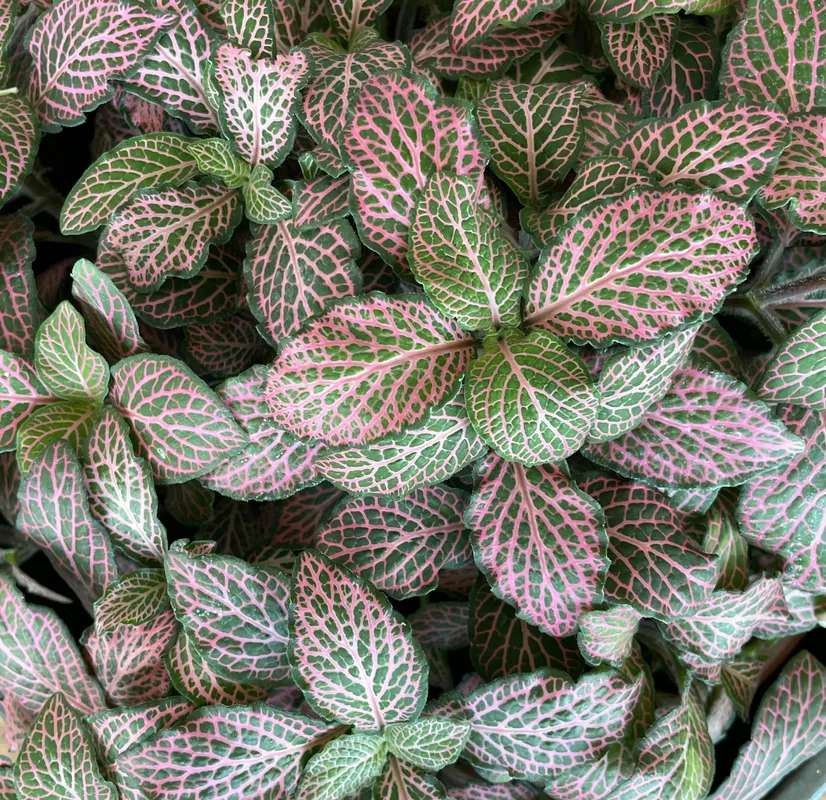
Fittonia albivenis, commonly called the nerve plant or mosaic plant, is a tropical groundcover native to the rainforests of Peru. The name “nerve plant” comes from the intricate network of colored veins running across each leaf - white, pink, red, or even silver depending on the variety.
They stay small, usually topping out around 6 inches tall, which makes them perfect for desks, terrariums, and that one tiny shelf in your bathroom where nothing else fits.
You can find them at almost any garden center or big box store for a few dollars. They are one of the best value plants in the houseplant world. My local Home Depot sells them in 4-inch pots for under $5, and I have a hard time walking past them.
Light Requirements
Here is the good news for apartment dwellers: Fittonias do not want direct sun. In fact, direct sunlight will bleach and scorch their delicate leaves faster than you can say “I should have moved that.”
What they want is bright indirect light, which in practical terms means:
- A few feet back from an east-facing window
- Near a north-facing window
- Under a grow light on a low setting
- On a desk that gets decent ambient light
They will also tolerate lower light conditions, but the veining patterns will become less vivid and growth will slow down. If your Fittonia starts looking washed out or leggy, it probably wants a bit more light.
In my apartment, they do best on the bookshelf in the living room, which gets filtered light from our east-facing windows all morning. They have been there for over a year and the colors are still vibrant.
Watering: The Drama Zone
This is where Fittonias earn their reputation. These plants will tell you - loudly and dramatically - when they need water. The entire plant goes limp, flopping over like it has given up on life. It looks terrifying the first time.
But here is the thing: this is normal. And it is actually a useful feature once you get used to it. You never have to wonder if your Fittonia needs water. It will literally show you.
The watering basics:
- Water when the top half inch of soil feels dry
- Water thoroughly until it drains out the bottom
- Do not let the pot sit in standing water
- In summer, this might be every 4-5 days; in winter, maybe once a week
What to avoid:
- Letting the soil dry out completely (hello, dramatic fainting)
- Keeping the soil soggy (root rot is less dramatic but way more deadly)
- Watering on a strict schedule instead of checking the soil
If your Fittonia does faint, give it a good drink and wait. It should perk up within an hour. If it faints repeatedly, you might need to water more frequently or check if the pot has drainage.
One tip from experience: I keep my Fittonias in plastic nursery pots inside decorative cache pots. This makes it easy to take them to the sink, water thoroughly, let them drain, and put them back. No soggy feet.
Humidity: The Secret to Happy Leaves
Fittonias come from the rainforest floor. They like it humid. This is probably the single most important factor in keeping them looking their best long-term.
Ideal humidity: 50-80%. Your average home in winter sits around 30-40%, which is below their comfort zone.
How to boost humidity without going overboard:
- Group plants together. This is the easiest trick. Plants release moisture through transpiration, and clustering them creates a little humidity bubble. I keep my Fittonia next to my calatheas and ferns, and everybody benefits.
- Use a pebble tray. Set the pot on a tray of pebbles with water below the pot level. As the water evaporates, it humidifies the air around the plant.
- Get a small humidifier. If you are already running one for your other tropical plants (or your kids in winter), your Fittonia will thank you.
- Terrariums. Fittonias are one of the best terrarium plants because they stay small and love enclosed humid environments. A simple glass jar or cloche works great.
What about misting? People have opinions about this. Misting gives a temporary humidity boost, but it evaporates quickly and can promote fungal issues if the leaves stay wet overnight. I would rather use a pebble tray or humidifier for consistent results.
Soil and Potting
Fittonias want soil that holds some moisture but does not stay waterlogged. A standard indoor potting mix works fine, but you can improve it.
My go-to mix:
- 2 parts standard potting mix
- 1 part perlite (for drainage)
- 1 part peat moss or coco coir (for moisture retention)
This gives you the balance of keeping roots moist without drowning them. If you are using straight potting mix from the bag, just add a handful of perlite and call it good.
Pot size: Keep it small. Fittonias have shallow root systems and do not need much space. A 4-inch pot is fine for most plants. Going too large means excess soil that stays wet too long, which leads to root issues.
Always use a pot with drainage holes. I know the cute ceramic pots without holes are tempting, but your Fittonia will punish you for it eventually.
Temperature
Fittonias like the same temperatures you do: 65-80 degrees Fahrenheit. They are not cold hardy at all - anything below 60 degrees will stress them, and frost will kill them outright.
Watch out for:
- Cold drafts from windows in winter
- Air conditioning vents blowing directly on them
- Radiators drying them out from below
They are strictly indoor plants in most of the US. Here in New York, mine never go outside, and that is perfectly fine.
Feeding
Fittonias are not heavy feeders. A balanced liquid fertilizer (like a 10-10-10 or 20-20-20 diluted to half strength) once a month during the growing season (spring through early fall) is plenty.
Skip fertilizing in winter when growth slows down. Over-fertilizing shows up as brown leaf edges, which is easy to confuse with low humidity. If you are not sure which is causing it, back off the fertilizer first and see if it improves.
Varieties Worth Collecting
Once you get one Fittonia, you will want more. They come in a surprising range of colors:
- White Anne - Classic white veins on dark green leaves. The one you see most often at stores.
- Pink Angel - Bright pink veins that almost glow. My daughter’s favorite because it is “a pink plant.”
- Red Anne - Deep red veining. Gorgeous next to green plants.
- Frankie - Pink leaves with green edges. The reverse of most varieties.
- Superba - Larger leaves with bolder veining. A bit more substantial than the miniature types.
- Ruby Red - Intense red-pink veins. Stands out in any collection.
At a few dollars each, it is easy to collect several varieties. Line them up on a shelf and the color contrast is stunning.
Common Problems and Solutions
Fainting/wilting: Needs water. Give it a drink and it will recover in 30-60 minutes. If it keeps fainting quickly after watering, check if the roots are bound or the soil has become hydrophobic.
Brown, crispy leaf edges: Almost always a humidity issue. Increase humidity around the plant. Sometimes it is over-fertilizing, so check that too.
Leggy, stretched growth: Not enough light. Move to a brighter spot (still no direct sun).
Yellowing leaves: Overwatering. Let the soil dry out a bit more between waterings and make sure the pot drains well.
Leaf drop: Usually cold stress or extreme dryness. Check the temperature and watering situation.
Faded veining: Not enough light. The colorful veins need decent light to maintain their intensity.
Why Fittonias Are Great for Families
If you have kids and want to teach them about taking care of living things, Fittonias are perfect starter plants. They are non-toxic to cats, dogs, and curious toddlers (always a plus in our house). They give immediate visual feedback when they need care - my 4-year-old can tell when the Fittonia needs water because “it looks sad.” And when it perks back up after watering, it feels like magic to a little kid.
They are also practically indestructible as long as you give them water and humidity. I have forgotten mine for a week, found it dramatically slumped over, watered it, and had it looking perfect by dinner time.
Propagation Preview
Fittonias are incredibly easy to propagate from stem cuttings. Snip a stem with a few leaves, stick it in water or moist soil, and wait. Roots usually appear within two weeks. I will cover the full propagation process in a separate guide, but just know: one Fittonia can become ten Fittonias very quickly. Free plants forever.
The Bottom Line
Fittonias are one of the best houseplants for beginners, apartment dwellers, families with pets and kids, or anyone who wants a beautiful plant that costs less than a coffee. Yes, they are dramatic. Yes, they will faint on you. But they bounce back fast, they communicate their needs clearly, and the colorful foliage is genuinely stunning for a plant that costs $4.
If you are just starting your plant collection, grab a Fittonia the next time you are at the garden center. It might become your favorite little drama queen.