Cissus Discolor Care: The Rex Begonia Vine That Will Test Your Patience
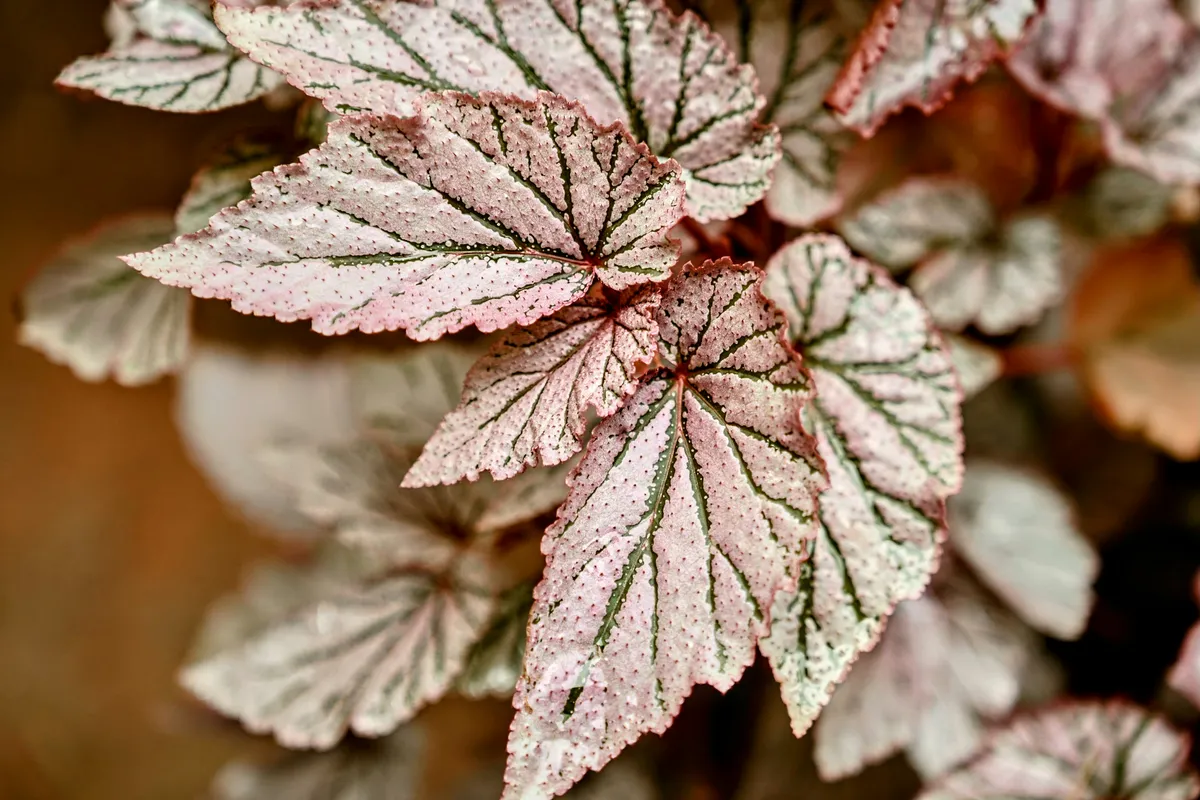
Let me be upfront with you: Cissus discolor is not an easy plant. It is, however, one of the most jaw-droppingly gorgeous trailing vines you can grow indoors. The leaves look like someone hand-painted watercolors on velvet - deep green tops with silver streaks, dark purple undersides, and a texture so soft you will want to pet them like a cat.
My first one lasted about six weeks before it dropped every single leaf in what I can only describe as a plant tantrum. I learned the hard way that this vine has opinions about humidity, and it is not shy about expressing them.
But here is the thing - once you figure out what it wants, it rewards you with some of the most stunning foliage in the entire houseplant world. So let me save you the heartbreak I went through.
What Is Cissus Discolor?
Cissus discolor (also sold as Cissus javana) is a tropical climbing vine native to Southeast Asia, specifically Java and Cambodia. Despite the common name “Rex Begonia Vine,” it is not actually a begonia at all. It is in the grape family (Vitaceae), which means it is more closely related to the grapevines in your neighbor’s backyard than to any begonia.
The name comes from the fact that its leaves look remarkably similar to a Rex begonia - that same painterly pattern of silver, green, and purple. The plant climbs using tendrils, just like a grape vine, and can reach several feet long in the right conditions.
In its native habitat, it grows as an understory vine in humid tropical forests. That tidbit tells you almost everything you need to know about what it wants in your home.
Light Requirements
Cissus discolor wants bright indirect light. Think of that dappled forest floor where it grows naturally - plenty of light filtering through the canopy, but no direct sun scorching its delicate leaves.
A north-facing or east-facing window works well. If your only option is a south or west window, pull the plant back a couple of feet or use a sheer curtain to diffuse the light.
Too much light: The leaves will fade and lose their vibrant coloring. You might also see crispy brown edges, which is the plant’s way of saying “I am sunburned, thanks.”
Too little light: The plant gets leggy, stops producing new growth, and the leaves lose their dramatic patterning. If your Cissus is stretching toward the window like it is trying to escape, it needs more light.
A grow light works great for this plant if you do not have a bright enough spot. Keep it about 12 inches from the foliage and run it for 10-12 hours a day.
Watering
Here is where people get into trouble. Cissus discolor wants consistently moist soil, but “moist” and “wet” are very different things.
Water when the top inch of soil feels dry to the touch. Stick your finger in there - if it comes back clean and dry, it is time to water. If soil clings to your finger, wait another day or two.
How often? In spring and summer, you will probably water every 7-10 days depending on your pot size and environment. Smaller pots (under 6 inches) dry out faster and might need water every 5-7 days. In winter, slow way down - maybe once every 2-3 weeks.
The golden rule: When in doubt, underwater rather than overwater. This plant can bounce back from a little drought. Root rot from soggy soil? That is usually a death sentence.
Use room temperature water and water thoroughly until it drains from the bottom of the pot. Empty the saucer after about 15 minutes so the roots are not sitting in a puddle.
Humidity: The Make-or-Break Factor
This is it. This is the thing that determines whether your Cissus discolor thrives or throws a leaf-dropping fit.
This plant needs 65-80% relative humidity. Not “I mist it sometimes” humidity. Not “my bathroom is kinda steamy” humidity. It needs sustained, consistent, actually-measured-with-a-hygrometer humidity.
For context, most homes sit around 30-50% humidity, especially in winter with the heat running. That is not even close to what this plant wants.
What actually works:
-
A humidifier. This is the real answer. A small cool-mist humidifier running near your plant is the most reliable way to keep humidity up. Yes, it is an extra expense. Yes, it is worth it if you are serious about this plant.
-
A plant cabinet or greenhouse. IKEA cabinets converted into plant greenhouses have become hugely popular in the plant community, and Cissus discolor is one of the plants that genuinely benefits from this setup. The enclosed space traps moisture beautifully.
-
Grouping plants together. Plants release moisture through transpiration, so clustering several tropical plants together can bump up the local humidity by 5-10%.
-
A pebble tray. Fill a tray with pebbles, add water to just below the top of the pebbles, and set your pot on top. It helps a little, but honestly, for this plant, it is usually not enough on its own.
What does not work: Misting. I know everyone says to mist your tropicals, but misting raises humidity for about 15 minutes. Cissus discolor needs sustained humidity, not a brief spritz. Plus, wet leaves sitting in stagnant air can invite fungal problems.
Soil
Cissus discolor needs soil that holds some moisture but drains well. Soggy roots are the fastest way to kill this plant, right after low humidity.
A good mix:
- 50% standard potting soil
- 40% perlite
- 10% orchid bark or peat moss
The perlite keeps things airy and prevents compaction, while the bark or peat holds just enough moisture to keep the roots happy between waterings. If you are the type who tends to overwater (no judgment, we have all been there), lean heavier on the perlite.
Make sure your pot has drainage holes. This is non-negotiable.
Temperature
Keep your Cissus between 60-80 degrees Fahrenheit (15-27 degrees Celsius). It is a tropical plant, so it does not like cold drafts, air conditioning vents, or sitting next to a drafty window in January.
Below 55 degrees Fahrenheit and you are going to see leaf drop and potential cold damage. If you keep your home on the cooler side in winter, make sure this plant is away from exterior walls and windows.
Feeding
During the growing season (spring through early fall), feed every 2-4 weeks with a balanced liquid fertilizer diluted to half strength. Something like a 10-10-10 or 20-20-20 works fine.
Stop fertilizing entirely from late October through February. The plant enters a semi-dormant phase where it slows down significantly, and pushing fertilizer during this time can stress the roots.
The Dreaded Dormancy
Here is something that catches a lot of new Cissus discolor owners off guard: this plant goes semi-dormant in winter.
When the days get shorter and light levels drop, your Cissus may start dropping leaves. Sometimes a lot of leaves. The first time this happens, you will probably panic and assume you have killed it. I certainly did.
But if the stems are still firm and green (not mushy or brown), your plant is most likely fine. It is just resting. This is normal for this species, especially in temperate climates where winter light is significantly reduced.
What to do during dormancy:
- Reduce watering to once every 3-4 weeks
- Stop fertilizing completely
- Keep it in the brightest spot you have
- Maintain humidity as best you can
- Do not repot, prune, or otherwise stress it
- Be patient
When spring arrives and light levels increase, you should see new growth emerge. The comeback can be surprisingly fast once conditions improve.
Support and Training
Cissus discolor is a natural climber that uses tendrils to grip surfaces. You can grow it a few different ways:
Trailing from a hanging basket: This is the most popular option. Let the vines cascade down for a dramatic display. Just make sure the basket is in a spot where you can maintain humidity.
Climbing a moss pole or trellis: The tendrils will grab onto a moss pole, and you will often get larger leaves when the plant climbs versus when it trails. Keep the moss pole moist to encourage the tendrils to attach.
Wrapped around a hoop: A simple wire hoop in the pot lets you train the vine in a compact circular shape. This works well for smaller spaces.
Common Problems and Solutions
Leaf drop: The most common complaint. Usually caused by low humidity, inconsistent watering, or sudden environmental changes (like moving the plant to a new spot). Check humidity first - nine times out of ten, that is the culprit.
Crispy leaf edges: Low humidity or too much direct sun. Move it away from the window and crank up the humidifier.
Leggy growth with small leaves: Not enough light. Move it closer to a window or add a grow light.
Mushy stems: Root rot from overwatering. Unpot the plant, cut away any brown or mushy roots, let the healthy roots dry for an hour, and repot in fresh, well-draining soil. Water less frequently going forward.
Pests: Spider mites love this plant, especially in dry conditions (another reason to keep humidity up). Check the undersides of leaves regularly. Mealybugs and aphids can also show up. Treat with neem oil or insecticidal soap at the first sign of trouble.
Propagation
Cissus discolor propagates fairly easily from stem cuttings. Take a cutting with 2-3 nodes, remove the bottom leaves, and place it in water or moist sphagnum moss. Keep it warm and humid, and you should see roots in 2-4 weeks.
Spring and early summer are the best times to propagate, when the plant is actively growing. Do not try to propagate during the dormant winter period - the cuttings will likely just rot.
Is It Worth the Effort?
Look, I am not going to pretend Cissus discolor is a set-it-and-forget-it plant. It is not a pothos or a snake plant. It has specific needs, and if those needs are not met, it lets you know loudly and dramatically.
But if you have the right setup - a bright spot, a humidifier, and the willingness to pay attention - this plant is absolutely worth growing. Those leaves are unlike anything else in the houseplant world. When the light catches them just right and you see that shimmer of silver against deep green and purple, you understand why people put up with the fussiness.
Start with one small plant. Give it the humidity it craves. See how it does in your space before you commit to a collection. And if it drops a few leaves when you first bring it home, do not panic. It is just adjusting to its new environment. Give it time, keep the air moist, and it will reward you.
Quick Care Cheat Sheet
- Light: Bright indirect, no direct sun
- Water: When top inch of soil is dry, less in winter
- Humidity: 65-80% - a humidifier is almost essential
- Soil: Well-draining mix with extra perlite
- Temperature: 60-80 degrees Fahrenheit, no cold drafts
- Fertilizer: Half-strength balanced feed every 2-4 weeks in growing season, none in winter
- Difficulty: Intermediate - not a beginner plant, but manageable with the right setup