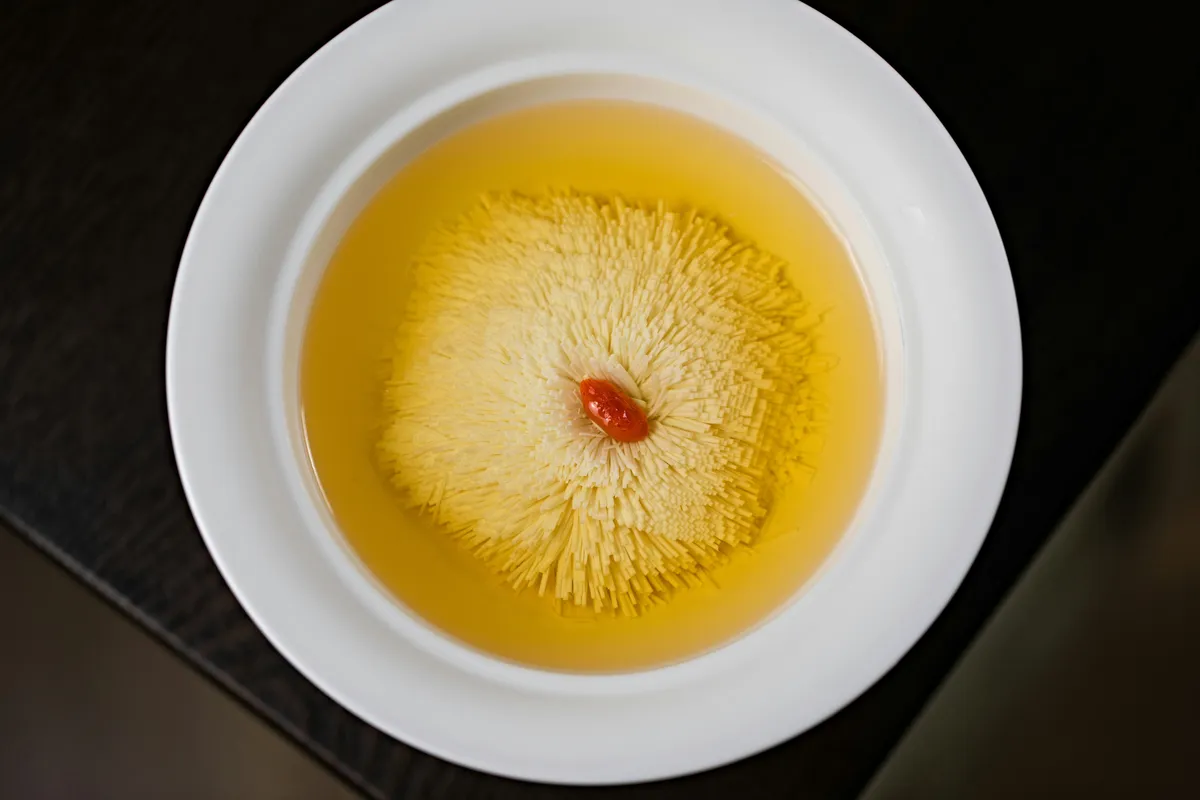
Chrysanthemum Tea and My Grandma’s Cure for Everything
My grandmother had a solution for everything, and most of the time, it came in a teacup.
Headache? Ju hua cha. Sore throat? Ju hua cha. Eyes tired from too much reading? You already know the answer. Chrysanthemum tea was her universal medicine, brewed from dried yellow flowers she kept in a glass jar on the kitchen counter. That jar was never empty. I’m pretty sure it would have been a family emergency if it ever ran out.
Growing up, I didn’t appreciate it. The tea tasted like warm flowers - which, to a seven-year-old who wanted Capri Sun, was not exactly a selling point. But somewhere between college and becoming a dad myself, I started craving it. Not just the taste, but the ritual. The slow steeping. The way the dried flowers bloom open in hot water like tiny underwater fireworks. The calm that comes with drinking something your grandmother made you a thousand times.
Now I grow my own chrysanthemums. And yeah, I make my kids drink the tea.
Why Chrysanthemums Matter in Chinese Culture
If you grew up in a Chinese household, chrysanthemums were just… around. On paintings, on teacups, at the store during Mid-Autumn Festival. They’re one of the Four Gentlemen in Chinese art, alongside plum blossom, orchid, and bamboo. Each one represents a season and a virtue. Chrysanthemum gets autumn and endurance.
That tracks. Chrysanthemums bloom when everything else is calling it quits for the year. While your tomatoes have given up and your basil turned black at the first frost, mums are out there putting on a show. There’s something poetic about that, and Chinese poets have been writing about it for over a thousand years. The famous poet Tao Yuanming loved chrysanthemums so much that his name is basically synonymous with the flower in Chinese literary tradition.
In traditional Chinese medicine, chrysanthemum - or ju hua - has been used for over 3,000 years. The idea is that it clears heat, soothes headaches, and brightens the eyes. White chrysanthemum flowers are considered best for supporting the liver and clearing the eyes, while yellow flowers are used more for headaches and sore throats. My grandmother didn’t explain any of this to me. She just said “drink it, it’s good for you” and that was that.
The Two Chrysanthemums You Should Know About
Here’s something that confused me for years: there are chrysanthemums you grow for flowers (and tea), and there are chrysanthemums you grow to eat as a vegetable. They’re related but different.
Tea chrysanthemums (Chrysanthemum morifolium or Chrysanthemum indicum) are what you want for brewing. These produce the classic yellow and white daisy-like flowers that get dried and steeped. You can find dried chrysanthemum flowers at basically any Chinese grocery store, usually in the tea aisle or the traditional medicine section.
Edible garland chrysanthemum (Glebionis coronaria, also called shungiku or tong hao) is a leafy green vegetable popular in Japanese and Chinese cooking. The leaves have a distinctive herbal, slightly bitter flavor that’s amazing in hot pot, stir-fries, and soups. If you’ve ever had sukiyaki or shabu-shabu, those feathery greens floating in the broth are probably garland chrysanthemum.
Both are worth growing. But for this post, I’m mostly talking about the tea and ornamental kind - the ones my grandmother used.
Growing Chrysanthemums at Home
The good news: chrysanthemums are not difficult. If you can grow a tomato, you can grow a mum. They’re actually one of the more forgiving flowering plants out there.
What they need:
-
Sun. At least six hours of direct sunlight per day. Full sun is ideal. A south-facing spot in your yard or a sunny balcony will work. They can handle some afternoon shade, especially in hot climates, but don’t try to grow them in a dark corner.
-
Well-draining soil. This is the most important thing. Mums hate wet feet. Mix in some perlite or compost if your soil is heavy clay. A slightly acidic to neutral pH (6.0 to 7.0) is ideal.
-
Consistent water. Keep the soil evenly moist but not soggy. Water at the base of the plant, not overhead - wet leaves invite fungal problems. In summer, you might need to water two to three times a week depending on your climate.
-
Space. Plant them 18 to 24 inches apart. They get bushier than you’d expect.
When to plant:
Spring is the best time. This gives the roots all summer to establish before the fall blooming season. You can plant from nursery starts (easiest), divisions from an existing plant, or even cuttings. Seeds work too, but they’re slow - expect to wait about 16 weeks from seed to flower.
The pinching trick:
This is the single most important thing I can tell you about growing great chrysanthemums. When your plant reaches about 6 inches tall, pinch off the top inch of each stem. This sounds counterintuitive, but it forces the plant to branch out instead of growing tall and leggy. Keep pinching new growth tips every few weeks until about mid-July. After that, let it grow - the flower buds need time to form for fall blooming.
I didn’t learn this for two years. My first chrysanthemums were tall, floppy, sad-looking things with like four flowers each. Now they’re dense little bushes covered in blooms. Pinching is everything.
Drying Flowers for Tea
If you want to go full grandma and make your own ju hua cha, here’s how.
Harvest timing: Pick the flowers when they’re fully open but before they start to fade or brown. Morning is best, after the dew has dried. You want flowers that are vibrant and fresh.
Drying method 1 - Air drying: Spread the flower heads in a single layer on a screen or drying rack in a warm, dry, well-ventilated area out of direct sunlight. Flip them every day or two. They should be fully dry and papery in about one to two weeks depending on humidity.
Drying method 2 - Oven: Spread flowers on a parchment-lined baking sheet and dry at the lowest oven setting (usually around 170 to 200 degrees Fahrenheit) with the door cracked open. Check every 30 minutes. This takes two to four hours.
Drying method 3 - Dehydrator: If you have a food dehydrator, set it to 95 to 105 degrees Fahrenheit and dry for 12 to 24 hours. This is the most consistent method.
Storing: Keep dried flowers in an airtight glass jar away from light and moisture. They’ll stay good for about a year. My grandmother’s jar was just a recycled instant coffee container. Nothing fancy required.
Brewing the Tea
This is the easy part.
Put five to eight dried chrysanthemum flowers in a cup or teapot. Pour boiling water over them. Wait three to five minutes. That’s it.
You can add rock sugar (bing tang) for sweetness - this is how it’s traditionally served in Chinese restaurants. Some people add goji berries (wolfberries) for color and a subtle sweet-tart flavor. My grandmother always added a few goji berries. She said it was good for the eyes. Whether or not that’s scientifically accurate, the combination tastes great and looks beautiful - golden tea with little red berries floating in it.
The tea should be light golden and fragrant, floral but not overwhelming. If it tastes bitter, you used too many flowers or steeped too long. Scale it back.
A heads-up for the skeptical: Chrysanthemum tea is not going to taste like chamomile, even though people often compare them. It’s its own thing - lighter, more subtly floral, and a little sweet even without sugar. Give it a fair chance. It took me a few cups as an adult to go from “this is fine” to actively wanting it.
Growing Garland Chrysanthemum for Eating
Since we’re here, let me also talk about the edible kind. Garland chrysanthemum, or tong hao, is one of the easiest Asian greens you can grow, and it’s almost impossible to find fresh at a regular American grocery store.
How to grow it:
- Direct sow seeds outdoors after the last frost, or start indoors a few weeks earlier.
- It likes cool weather. Spring and fall are prime growing seasons. It bolts quickly in summer heat.
- Plant seeds about a quarter inch deep, thin seedlings to 4 to 6 inches apart.
- Harvest the young leaves and tender stems when plants are 4 to 8 inches tall. You can cut-and-come-again - the plant will keep producing new growth.
- It actually prefers partial shade in warmer climates, which makes it great for those spots in your garden that don’t get full sun.
Toss the leaves into hot pot broth in the last minute of cooking. Stir-fry them with garlic and a splash of sesame oil. Add them to soups. The flavor is herbal, slightly floral, a little peppery. It’s one of those vegetables that tastes like nothing else, and once you develop a taste for it, you’ll want it all the time.
My Kids and the Ju Hua Tradition
My oldest is six, and she thinks chrysanthemum tea is “the yellow flower drink.” She’ll drink it if I add enough rock sugar. My three-year-old won’t touch it, but he likes watching the dried flowers open up in the water. We put them in a clear glass teapot so he can see the whole show. Small wins.
I think about my grandmother every time I brew a pot. She passed away when I was in college, before I had the sense to ask her about half the things she knew. I never asked where she bought her dried chrysanthemums, or whether she ever grew them herself, or what her mother used to brew for her.
But I have the tea. And now I have the plants in my backyard, blooming every October like clockwork. And when my kids are grown and remember the yellow flower drink, maybe they’ll make it for their own families.
That’s the thing about plants and family. The traditions don’t need to be complicated or grand. Sometimes it’s just a jar of dried flowers and a kettle of hot water, passed down one cup at a time.
Quick Reference
Tea chrysanthemum (Chrysanthemum morifolium):
- Full sun, well-draining soil, consistent water
- Plant in spring, pinch until mid-July, blooms in fall
- Hardy in zones 5 to 9 (garden varieties)
- Dry flowers for homemade ju hua cha
Garland chrysanthemum (Glebionis coronaria / tong hao):
- Partial shade to full sun, cool weather crop
- Direct sow spring or fall, harvest young leaves
- Bolts in heat - grow as a cool-season green
- Use in hot pot, stir-fries, and soups
What to Try Next
If this post has you curious about growing more plants connected to Asian cuisine and culture, check out the posts on growing Thai basil, lemongrass, and ginger at home. And if you already grow chrysanthemums, try drying a batch of flowers this fall. Your grandmother would approve.