How to Build Your First Terrarium (A Tiny Ecosystem on Your Shelf)
My five-year-old asked me last winter why the inside of our car windows get foggy. I explained it was condensation - water in the air sticking to the cold glass. She looked at me like I was making it up.
So we built a terrarium. A tiny sealed world in a glass jar where you can actually watch the water cycle happen. Condensation on the walls, droplets rolling down, soil getting moist again. She was fascinated for about ten minutes, which in kid time is basically a semester of college.
But the terrarium itself? It’s still thriving months later on our bookshelf, and I’ve barely touched it. That’s the beauty of these things. They’re gorgeous, low-maintenance, and weirdly meditative to build. If you’ve been wanting a plant project that doesn’t add to your daily watering routine, this is it.
What Exactly Is a Terrarium?
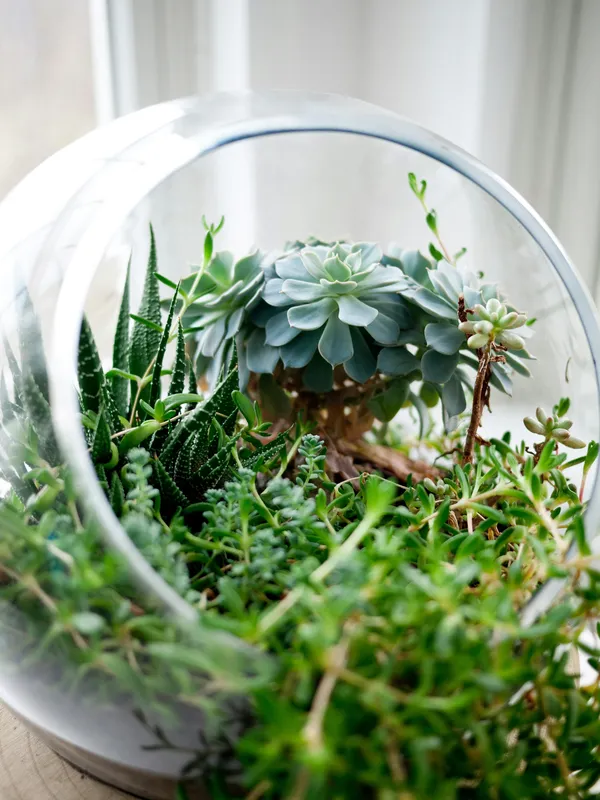
A terrarium is a miniature garden grown inside a glass container. There are two main types.
Closed terrariums have a lid and create their own water cycle. Water evaporates from the soil, condenses on the glass, drips back down, and the cycle repeats. Think of it as a tiny self-sustaining ecosystem. These are what most people picture when they hear “terrarium.”
Open terrariums have no lid and work more like a regular planter that happens to be in glass. These are better for succulents and plants that prefer drier conditions.
For this guide, we’re focusing on closed terrariums because they’re more beginner-friendly (less watering), more interesting (mini ecosystem!), and more forgiving if you forget about them for a few weeks. Which, as parents, we definitely will.
What You’ll Need
You don’t need to spend a fortune. Most of these supplies are available at garden centers, or you can order them online.
The container. Any clear glass container with a lid works. Cookie jars, apothecary jars, large mason jars, even old fish bowls with a plate on top. Avoid tinted glass - your plants need full-spectrum light. Look for something with a wide opening so you can actually fit your hands inside to plant. Narrow-necked bottles look cool but they’re a nightmare to work with.
Drainage layer. Small pebbles, LECA clay balls, or horticultural charcoal. You need about 1-2 inches of material that water can drain through freely.
Separation layer. A thin layer of sphagnum moss or a piece of window screen mesh. This keeps your soil from sinking into the drainage layer and turning into mud.
Substrate. A mix of regular potting soil and peat moss or coco coir works well. You want something that holds moisture but doesn’t compact into a brick. If you’ve read my soil mixing guide, you already know the drill - just aim for something light and airy. About 2-3 inches deep is plenty.
Activated charcoal. A thin sprinkle between your drainage and soil layers helps filter the water and prevent bacterial growth. Not strictly required, but it helps your terrarium stay fresh longer. You can find this at pet stores in the aquarium section.
Plants. More on this below, but you’ll want 3-5 small plants that love humidity and indirect light.
Decorative extras (optional). Small stones, driftwood pieces, dried moss, or tiny figurines. My daughter insists every terrarium needs a miniature dinosaur. I’ve stopped arguing.
Choosing the Right Plants
This is where most terrarium builds go wrong. You can’t just grab random houseplants and seal them in glass. The environment inside a closed terrarium is warm, humid, and gets only indirect light. You need plants that thrive in those conditions.
Great choices for closed terrariums:
Fittonia (nerve plant) - These are terrarium royalty. They come in pink, white, and red varieties, they stay small, and they absolutely love humidity. In open air, fittonias are drama queens that wilt if you look at them wrong. In a terrarium? They’re perfectly happy.
Selaginella (spikemoss) - Not actually a moss, but it looks like one. Creates a beautiful carpet of tiny green leaves. Selaginella kraussiana is the most common variety and it does phenomenally in terrariums.
Ferns (miniature varieties) - Button ferns (Pellaea rotundifolia) and maidenhair ferns stay compact and love the humidity. Avoid larger fern species - they’ll outgrow the container fast.
Peperomia (small varieties) - Peperomia prostrata (string of turtles) and other compact peperomias work well. They’re tolerant of the moist conditions without rotting easily.
Polka dot plant (Hypoestes) - Colorful, compact, and happy in humidity. They do grow fast, so you may need to trim them occasionally.
Mosses - Sheet moss, mood moss, or java moss make excellent ground cover. They fill in gaps beautifully and help the whole thing look like a tiny forest floor.
Plants to avoid:
Skip anything that needs direct sun, dry conditions, or lots of airflow. That means no succulents (except in open terrariums), no cacti, no herbs, and no plants that get large quickly. Also avoid plants with fuzzy leaves - they tend to rot in the constant humidity.
Building Your Terrarium Step by Step
Clear off a table, lay down some newspaper (this gets messy), and let’s build.
Step 1: Clean your container. Wash it thoroughly with warm water. No soap residue - plants don’t appreciate that. Dry it completely.
Step 2: Add the drainage layer. Pour in 1-2 inches of pebbles or LECA. Spread them evenly across the bottom. This is your terrarium’s “sewer system” - it gives excess water somewhere to go so your plants’ roots don’t sit in standing water.
Step 3: Add activated charcoal. Sprinkle a thin layer over the drainage. You don’t need much - just enough to cover the pebbles. This acts as a filter and keeps things from getting funky.
Step 4: Add the separation layer. Lay down a thin sheet of sphagnum moss or mesh over the charcoal. This barrier prevents the soil from washing down into the drainage layer over time.
Step 5: Add your substrate. Pour in 2-3 inches of your soil mix. Create a slightly uneven surface - small hills and valleys look more natural and give you depth. This is where you can get creative with the landscape.
Step 6: Plan your layout. Before you plant anything, set your plants on top of the soil (still in their nursery pots) and move them around until you like the arrangement. Put taller plants toward the back, shorter ones in front. Think about how they’ll look from the angle where the terrarium will sit. Leave some space between plants - they’ll fill in over time.
Step 7: Plant. Remove plants from their pots, gently shake off excess soil from the roots, and dig small holes in the substrate. Place each plant in its hole and gently firm the soil around the base. If your container has a narrow opening, chopsticks or long tweezers help a lot here.
Step 8: Add moss and decorations. Press sheet moss into any bare soil areas. Add your decorative elements - stones, driftwood, tiny dinosaurs, whatever makes you happy. The moss serves double duty: it looks great and helps retain moisture in the soil.
Step 9: Water lightly. Mist the inside of the terrarium with a spray bottle or pour a small amount of water along the edges of the glass. You want the soil damp but not soaking. Think “wrung-out sponge” level of moisture.
Step 10: Close the lid. Put the lid on and find a spot with bright indirect light. Never direct sunlight - the glass amplifies heat and will cook your plants. A north-facing window, a bookshelf near a window, or under a grow light all work well.
The First Two Weeks Are Critical
After you seal your terrarium, you need to watch it for the first couple of weeks to dial in the moisture level.
Too much condensation - If the glass is completely fogged up and you can’t see the plants, there’s too much water. Remove the lid for a few hours to let some moisture escape, then seal it again. Repeat until you see light condensation on the glass in the morning that clears up by afternoon.
No condensation at all - Your terrarium is too dry. Add a few sprays of water, close the lid, and check again in a day or two.
The sweet spot - You want to see some condensation on the glass, especially in the morning or when the room is cooler. But you should still be able to see your plants clearly. Light dew on the glass means the water cycle is working.
Once you hit that balance, you can basically leave it alone. I check mine maybe once a month and I’ve only added water twice in six months.
Ongoing Maintenance (There’s Barely Any)
This is the best part about closed terrariums. Once they’re balanced, they practically take care of themselves.
Watering happens maybe every 4-6 months, if that. When the soil looks dry and there’s no condensation forming, add a small amount of water. Less is always better - you can add more, but removing excess water from a sealed container is annoying.
Pruning is the main maintenance task. Some plants will grow faster than others and start pressing against the glass. Trim them back with small scissors. If a plant is taking over, don’t be afraid to cut it back aggressively - most terrarium plants bounce back quickly.
Don’t fertilize. The decomposing organic matter in the soil provides nutrients naturally. Adding fertilizer will cause plants to grow too fast and outgrow the container. Let the ecosystem do its thing.
Watch for mold. A small amount of white fuzzy mold is normal in the first few weeks as the ecosystem establishes. It usually resolves on its own. If it persists or spreads, open the lid for a day to reduce humidity, and remove any dead leaves that might be feeding it.
Rotate the container every few weeks so all sides get even light. Otherwise plants will lean toward the light source and grow lopsided.
Common Mistakes and How to Avoid Them
Using the wrong plants. This is mistake number one. Succulents in a closed terrarium will rot. Sun-loving plants will struggle. Stick to the humidity-loving, shade-tolerant species listed above.
Too much water. It’s easier to add water than to remove it. Start with less than you think you need. You can always mist more later.
Direct sunlight. Even sun-loving plants can’t handle the greenhouse effect inside a sealed glass container. Direct sun will raise the temperature inside dramatically and kill everything. Bright indirect light only.
Overcrowding. It’s tempting to pack in tons of plants, but they need room to grow. Start with fewer plants than you think you need. They’ll fill in.
Forgetting about dead leaves. If a leaf dies, remove it. Dead organic matter in a sealed environment encourages mold and bacterial growth.
Skipping the drainage layer. Without drainage, water pools at the bottom, soil stays waterlogged, and roots rot. The layers matter.
Why This Is a Perfect Family Project
I’ve built four terrariums with my kids now, and it’s become one of our favorite weekend activities. The whole process takes about 30-45 minutes, which is right in the sweet spot for young attention spans.
Kids get to dig in dirt (always a win), arrange tiny plants and decorations, and then watch their creation develop over time. My daughter checks her terrarium every morning before school. She named the fittonia “Pinky” and genuinely celebrates when a new leaf appears.
There’s also a real science lesson happening. The water cycle, photosynthesis, ecosystems - it’s all visible in this little glass jar. Way more engaging than a textbook.
My dad, who grew everything from bitter melon to chrysanthemums in our backyard growing up, got a kick out of the terrariums when he visited. He said it reminded him of the miniature landscapes - penjing - that his grandfather used to create back in Guangdong. Different tradition, same idea: capturing a piece of nature in a small, carefully arranged space.
Your Next Steps
If this is your first terrarium, keep it simple. Grab a large mason jar, a nerve plant, some moss, and a handful of pebbles. Follow the steps above and don’t overthink it. The beauty of terrariums is that they’re forgiving - if something doesn’t work, you can open it up, adjust, and reseal.
Once you’ve got one thriving, you’ll want more. Trust me. I started with one jar on a bookshelf and now there are three in the living room alone. My wife has started calling it “the collection,” which in our house is never a compliment.
But every time someone visits and notices those little green worlds glowing on the shelf, they ask about them. And every time, I get to be the guy who says, “Oh, those? My daughter and I built those.” Worth it.