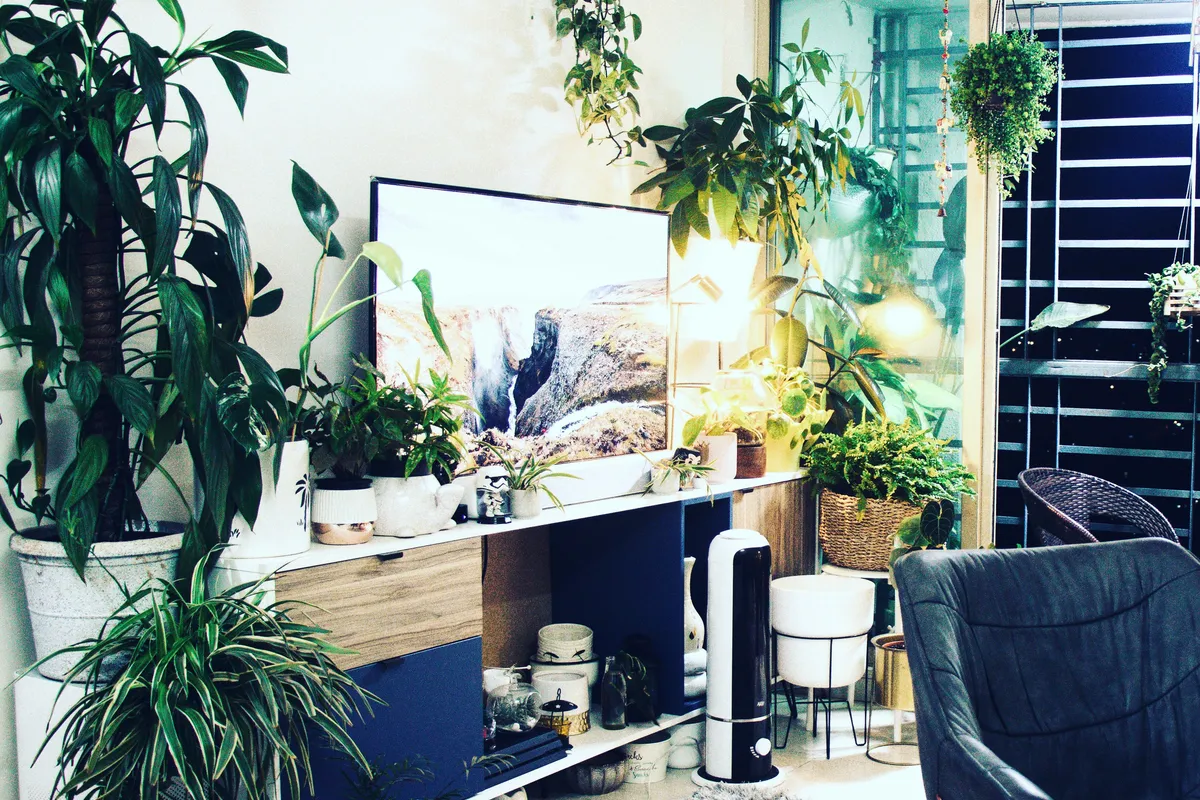
Best Houseplants for Your Home Office (From a Dad Who Works Next to a Toddler)
Let me paint you a picture. It is 9:15 AM on a Tuesday. I have a Zoom call in fifteen minutes, there is oatmeal drying on my shirt, and my three-year-old just asked me why computers do not have feelings. Somewhere between the chaos of remote work and raising small humans, I decided what my home office really needed was more living things to take care of.
Sounds ridiculous, right? But here is the thing - adding plants to my workspace was one of the best decisions I have made for my productivity and my sanity. Research from the University of Exeter found that workers in offices with plants were up to 15% more productive than those in bare spaces. A Washington State University study showed that plants in a workspace can reduce stress and improve reaction time on computer tasks.
I am not saying a pothos on your desk will make your quarterly report write itself. But after two years of working from home surrounded by greenery, I can tell you that my office feels calmer, the air feels fresher, and I have something pleasant to look at during those meetings that could have been emails.
Here are my favorite plants for a home office - tested in real conditions, meaning inconsistent watering, questionable lighting, and the occasional toddler drive-by.
What Makes a Good Office Plant?
Before we get into specific plants, let me share the criteria I used. Your home office is not a greenhouse, and you are not a full-time plant caretaker. A good office plant needs to check most of these boxes:
- Tolerates imperfect light. Most home offices do not have floor-to-ceiling windows. You need plants that handle medium or low light without throwing a tantrum.
- Forgives irregular watering. When you are deep in a project or chasing deadlines, watering gets forgotten. Your office plants need to be understanding about that.
- Stays reasonably compact. Desk space is prime real estate. You want plants that do not sprawl across your keyboard.
- Does not attract pests easily. The last thing you need during a client call is a cloud of fungus gnats around your monitor.
- Looks good on camera. Let us be honest - we all noticed each other’s backgrounds on Zoom. A nice plant behind you signals “I have my life together” even when you do not.
The Best Plants for Your Home Office
1. ZZ Plant (Zamioculcas zamiifolia)
If I could only recommend one plant for a home office, this would be it. The ZZ plant is practically indestructible. Its glossy, dark green leaves look polished and professional - like the plant equivalent of a clean desk.
Why it works for offices: ZZ plants thrive in low to medium indirect light, which means they are happy even in a room with just one north-facing window. They store water in their thick rhizomes, so you can go two to three weeks between waterings without any drama. I have forgotten mine for nearly a month during a particularly hectic sprint and it did not even flinch.
Care basics: Water when the soil is completely dry. Place in any light condition except direct afternoon sun. Feed once in spring and once in summer with a balanced fertilizer. That is it. Seriously.
Office placement: Perfect for a desk corner, a shelf, or the floor next to your chair. The upright growth habit means it does not take up horizontal space.
One note: ZZ plants are mildly toxic if ingested, so if your kids or pets wander into your office, keep it on a high shelf. My solution was putting it on top of a bookcase, which also happens to look great on camera.
2. Pothos (Epipremnum aureum)
Pothos is the gateway drug of houseplants, and for good reason. It grows fast, tolerates neglect, and looks beautiful trailing down from a shelf or across a desk. My golden pothos sits on top of my monitor stand and its vines frame my screen like some kind of forest portal. Multiple coworkers have commented on it during video calls.
Why it works for offices: Incredibly adaptable to different light levels. Tells you when it needs water by drooping slightly - then perks right back up after a drink. Grows quickly enough that you feel like a successful plant parent, which is a nice confidence boost at 3 PM on a Wednesday.
Care basics: Water when the top inch of soil feels dry - usually every week to ten days. Bright indirect light is ideal, but it handles low light like a champ. Trim the vines when they get too long, and you can pop those cuttings in water to grow new plants for free.
Office placement: On a high shelf to trail down, on top of a monitor, or in a hanging planter near the window. The trailing vines add visual interest without cluttering your actual work surface.
3. Snake Plant (Dracaena trifasciata)
My wife calls our snake plant “the bodyguard” because it just stands there looking sharp and not needing anything from anyone. She is not wrong. Snake plants are architectural, striking, and about as low-maintenance as a plant can get.
Why it works for offices: Snake plants were flagged in NASA’s famous Clean Air Study for their ability to filter toxins like formaldehyde and benzene - both common in home offices with new furniture, printers, and electronics. They also release oxygen at night (unlike most plants), so they are working overtime for your air quality.
Care basics: Water every two to three weeks, or when the soil is bone dry. They prefer bright indirect light but tolerate low light without complaint. Avoid overwatering - this is the one way to actually kill a snake plant. If you are unsure whether to water, wait another week.
Office placement: Floor plant next to your desk, on a wide shelf, or in a corner. The tall, upright leaves make an excellent Zoom background accent.
4. Chinese Evergreen (Aglaonema)
I have a soft spot for Chinese evergreens - partly because they are beautiful, partly because they remind me of the ones in my grandparents’ apartment in Flushing. They always had at least three scattered around the living room, and those plants outlasted two couches and a recliner.
Why it works for offices: Chinese evergreens come in gorgeous varieties with silver, pink, or red patterns on their leaves. They handle low light like it is their day job and are remarkably drought-tolerant. Plus, they grow slowly, so they will not outgrow their spot on your desk for a long time.
Care basics: Water when the top two inches of soil feel dry. They prefer medium to low indirect light - direct sun will scorch those beautiful leaves. Humidity is not a deal-breaker, but they appreciate a slightly more humid environment. If your office has dry air from heating or AC, an occasional misting helps.
Office placement: Desktop plant in a decorative pot. The variegated leaves add color and personality to an otherwise neutral workspace. Pick a variety like ‘Silver Bay’ for a more understated look or ‘Red Siam’ if you want a pop of color.
5. Spider Plant (Chlorophytum comosum)
Spider plants are the golden retriever of houseplants - friendly, forgiving, and always happy to see you. They are also prolific parents, sending out long runners with baby plants (called pups) that you can snip off and share with coworkers. I have given away at least a dozen spider plant babies to people on my team.
Why it works for offices: Another NASA Clean Air Study all-star. Spider plants are non-toxic to pets and kids, which matters if your office door does not have a lock. They adapt to a wide range of conditions and their arching, striped leaves add a cheerful energy to any space.
Care basics: Water when the top inch of soil is dry - usually once a week. They like bright indirect light but tolerate medium light. Brown tips are common and usually mean the water has too much fluoride or chlorine. Let tap water sit out overnight before using it, or switch to filtered water.
Office placement: Hanging planter near a window or on top of a tall bookshelf where the pups can dangle. This is a plant that likes to show off its babies - give it the room to do so.
6. Peace Lily (Spathiphyllum)
Peace lilies are the only plant on this list that regularly flowers indoors in low light, which makes them special. Those elegant white blooms (technically spathes) add a touch of sophistication to your workspace that no amount of desk organization can match.
Why it works for offices: Peace lilies are exceptional air purifiers - they topped NASA’s list for removing a broad range of pollutants. They also tell you exactly when they need water by dramatically wilting, then bouncing back within hours of a good drink. It is like having a plant that communicates in plain English.
Care basics: Water when the top inch of soil is dry or when the leaves start to droop. Keep out of direct sunlight - medium to low indirect light is perfect. They appreciate humidity, so keep them away from heating vents. Wipe the leaves with a damp cloth every few weeks to keep them glossy.
Office placement: On a desk, side table, or low shelf. The white flowers look beautiful against dark furniture and photograph well for video calls.
Setting Up Your Office Plant Corner
You do not need to turn your office into a jungle on day one. Here is what I would recommend if you are just starting:
Start with two plants. I suggest a ZZ plant and a pothos. Together they cover your bases - one upright statement plant and one trailing vine. Both are nearly impossible to kill, which builds your confidence before you add anything trickier.
Mind the light. Spend a few days observing your office. Where does sunlight fall? How many hours? A south-facing window gives you the most options. A north-facing window or windowless corner narrows things down, but all the plants on this list can handle it.
Set a watering day. I water my office plants every Sunday morning as part of my weekend reset. Picking one consistent day helps prevent both overwatering and total neglect. Put it on your calendar if you need to - no shame in that.
Use cache pots without drainage holes for desks. Plant your green friends in a nursery pot with drainage holes, then nest that inside a decorative cache pot. This way you can lift the plant out to water it over the sink and avoid water damage on your desk.
Common Mistakes to Avoid
Overwatering. This is the number one killer of office plants. When in doubt, wait. Most of these plants would rather be too dry than too wet.
Putting plants right next to heating or AC vents. Temperature extremes and dry blasts of air stress out even the toughest plants. Check your vent placement before you pick a spot.
Choosing high-maintenance plants for your first office setup. A fiddle leaf fig might look amazing in that Instagram photo, but it will punish you for every inconsistency. Start easy and work your way up.
Ignoring your plant on camera. A dying plant behind you on Zoom sends the wrong message. If a plant is struggling, move it somewhere it can recover out of the spotlight.
The Bigger Picture
Here is what nobody tells you about home office plants: they give you permission to pause. When I stand up to check on my pothos or water my ZZ plant, I am taking a micro-break that resets my brain. For two minutes, I am not thinking about deadlines or email threads. I am just looking at something green and alive and growing.
In a world where our work and home lives have blurred together, plants draw a quiet line. They make the office space feel intentional - like a place you chose to be, not just a corner you ended up in.
And if a three-year-old happens to barrel through the door mid-call, at least the backdrop looks nice.
What to Try Next
If you are ready to level up your office plant game, consider adding a Chinese money plant (Pilea peperomioides) for its unique round leaves, or a small parlor palm for a tropical vibe. Both stay compact and work well in medium light.
Already covered your office? Check out our guides on the best houseplants for bathrooms and bedrooms to green up the rest of your home. And if you are new to all of this, our low-light plant guide is a great place to start building your confidence.
Happy growing - and happy working.