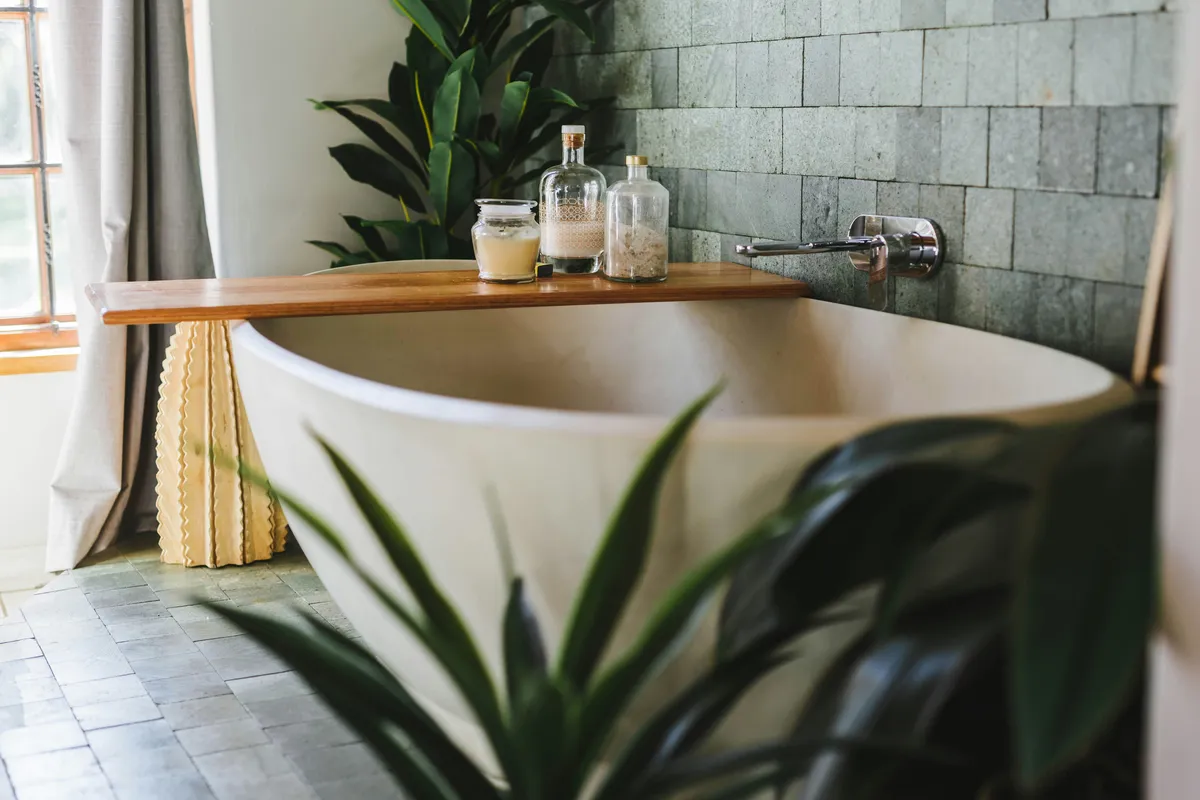
Best Houseplants for Your Bathroom: Plants That Actually Love the Steam
Here is something nobody told me when I started collecting plants: the room I kept ignoring was actually the best room in the apartment for half my collection.
I am talking about the bathroom.
For years, I crammed every plant onto windowsills in the living room and bedroom, misting them obsessively to bump up the humidity, buying a humidifier, running it all winter, and still watching my Calathea crisp up like she was personally offended by my efforts. Meanwhile, the bathroom - warm, steamy, consistently humid from daily showers - sat empty except for a half-used bottle of shampoo and a rubber duck my kid refused to throw away.
Then one day I stuck a struggling Bird’s Nest Fern on the bathroom shelf as a last resort. Within two weeks, it pushed out a new frond. Within a month, it looked better than it ever had. That was my lightbulb moment. Sometimes the best thing you can do for a plant is stop fighting the environment and just put it where conditions are already right.
Why Bathrooms Are Great for Plants
Most of the tropical houseplants we grow indoors come from rainforest understories - places with warm temperatures, high humidity, and filtered light. Your bathroom, especially after a hot shower, is the closest thing to that environment in most homes.
The average bathroom offers humidity levels between 50 and 80 percent after a shower, warm temperatures year-round (assuming you heat it in winter), and often indirect or low light through a frosted window. For humidity-loving plants, that is basically a spa day every single day.
But not every bathroom is created equal, so before you start moving plants in, take stock of what you are working with. How much light does your bathroom get? Is there a window, or is it an interior bathroom with no natural light at all? Does the temperature drop significantly at night? These factors will determine which plants work best for your space.
The Best Bathroom Plants (Tried and Tested)
Bird’s Nest Fern (Asplenium nidus)
This is the plant that converted me into a bathroom plant person, so I am putting it first. Bird’s Nest Ferns love humidity and indirect light - two things bathrooms have in abundance. Their rosette of wavy, bright green fronds looks gorgeous on a shelf or hanging from a macrame planter.
In my living room, this plant was a diva. Brown tips everywhere, constantly looking sad. In the bathroom, it is the happiest plant I own. Water it when the top inch of soil feels dry, give it indirect light, and let the shower steam do the rest.
One thing to watch: don’t let water pool in the center rosette. It can cause rot. I usually just let the ambient humidity do the work and water the soil directly.
Pothos (Epipremnum aureum)
You knew Pothos was going to be on this list. It is on every plant list, and for good reason - this thing is basically indestructible. But in a bathroom, it goes from “surviving” to “thriving.” The humidity keeps the leaves lush and full, and it is perfectly happy in low to medium light.
I have a Golden Pothos trailing along the top of my bathroom mirror, and it has grown about three feet in the past year without me doing much of anything. Just water when the soil is dry and give it something to trail or climb.
Pro tip: if your bathroom has no window at all, Pothos is one of the few plants that can handle it, at least for a while. Just rotate it out to a brighter spot every few weeks so it doesn’t get leggy.
Boston Fern (Nephrolepis exaltata)
Boston Ferns are the drama queens of the plant world - gorgeous but needy. Everywhere except the bathroom, that is. In a humid bathroom with bright indirect light, they are surprisingly low-maintenance. The constant moisture in the air means you don’t have to mist them constantly or worry about crispy fronds.
Hang one from the ceiling or set it on a high shelf where the fronds can cascade down. It looks incredible and it cleans the air. Just keep the soil consistently moist (not soggy) and you are golden.
Fair warning: they shed. If you are the kind of person who gets stressed by a few dried leaves on the floor, the Boston Fern might test your patience. I have learned to see it as “the fern is just making room for new growth.” My wife calls it “a mess.” We agree to disagree.
Peace Lily (Spathiphyllum)
The Peace Lily is a classic for a reason. It tolerates low light, loves humidity, and tells you when it needs water by dramatically drooping - then perking back up within hours of being watered. It is the most communicative plant I own.
In the bathroom, the humidity keeps it looking glossy and lush. And if your bathroom gets decent indirect light, you might even get those elegant white flowers (technically spathes, if you want to impress someone at a party).
Quick note: Peace Lilies are toxic to cats and dogs if ingested. If your pets have access to the bathroom, skip this one and go with a fern or a Pothos instead. I keep mine in the upstairs bathroom where the cats don’t go.
Chinese Evergreen (Aglaonema)
If you want something that looks fancy but requires almost zero effort, the Chinese Evergreen is your plant. They come in gorgeous varieties with silver, pink, and red markings on the leaves, and they are perfectly happy in low to medium light with high humidity.
I have a soft spot for this one. My mom always had a Chinese Evergreen on the bathroom counter when I was growing up. She called it her “lazy plant” because it never needed anything. Turns out she was onto something - in Chinese culture, Aglaonema is considered a good luck plant, so having one in the bathroom is supposed to bring positive energy into the home. Whether or not you believe that, it definitely brings positive vibes when you are half-awake and stumbling to the shower at 6 AM.
Water when the top inch of soil is dry. Wipe the leaves occasionally if they get dusty. That is it.
Spider Plant (Chlorophytum comosum)
Spider Plants are the golden retrievers of the plant world - friendly, adaptable, and happy almost anywhere. In a bathroom, the humidity keeps the leaf tips from browning (a common complaint in drier rooms) and the low to bright indirect light suits them perfectly.
They also produce babies like nobody’s business, which means free plants. Hang one from the ceiling and let the plantlets cascade down. My daughter calls ours “the octopus plant” because of all the babies dangling off it.
Completely non-toxic to cats and dogs, too, which makes it a great choice if your bathroom door doesn’t close properly (looking at you, 1950s apartment hardware).
Tillandsia (Air Plants)
No soil. No pot. No drainage holes to worry about on your bathroom counter. Air plants are the ultimate low-commitment bathroom plant. They absorb moisture through their leaves, so the steam from your shower is basically a free watering system.
I keep a few Tillandsias in a small ceramic dish on the windowsill. Every couple of weeks I give them a 20-minute soak in water, but honestly the bathroom humidity does most of the heavy lifting.
The key is air circulation. Don’t trap them in a corner with no airflow - they need some movement to dry off between waterings. A bathroom with a vent fan or window you occasionally open is perfect.
ZZ Plant (Zamioculcas zamiifolia)
The ZZ Plant is the “set it and forget it” option. It tolerates low light, low humidity, and infrequent watering - which means in a bathroom, it is practically on vacation. The humidity is just a bonus that keeps the leaves extra glossy.
I originally got a ZZ Plant for my office desk, but it ended up in the guest bathroom during a reorganizing spree and has been there for over a year. I water it maybe once a month. It has never looked better.
If your bathroom is an interior one with no window, the ZZ Plant is one of the best options. It genuinely does not care about light levels. Just don’t overwater it - root rot is really the only way to kill a ZZ.
Tips for Bathroom Plant Success
Assess your light honestly. Not all bathrooms are created equal. A bathroom with a south-facing window is very different from a windowless powder room. Match your plant choice to your actual light level, not the light level you wish you had.
Watch for overwatering. This sounds counterintuitive since we are talking about humidity-loving plants, but the high ambient moisture means the soil stays wet longer. Cut back on watering frequency compared to the same plant in a drier room. Stick your finger in the soil before reaching for the watering can.
Ensure some air circulation. Stagnant, constantly wet air can encourage mold and fungal issues on both your plants and your bathroom surfaces. Run the vent fan after showers, crack a window when you can, and avoid crowding too many plants into a tiny space.
Consider the temperature swings. Bathrooms can get warm and steamy during showers, then cool down significantly. Most tropical plants handle this fine, but if your bathroom gets below 55 degrees Fahrenheit at night in winter, stick with hardier choices like Pothos, ZZ, or Spider Plant.
Don’t forget to feed them. Bathroom plants still need nutrients. Use a diluted liquid fertilizer once a month during the growing season (spring and summer). It is easy to forget because the plants often look so happy in the humidity that you assume they don’t need anything else.
What About Bathrooms With No Window?
This is a real concern, especially in apartments. I have lived in two NYC apartments where the bathroom was basically a closet with plumbing and no natural light at all.
Your options are more limited, but not nonexistent. ZZ Plants, Pothos, and Snake Plants can survive in very low light for extended periods. The trick is rotation - keep the plant in the bathroom for two to three weeks, then move it to a brighter room for a week to recharge. Think of it like shift work.
Alternatively, you can add a small grow light. A simple clip-on LED grow light on a timer (12 hours on, 12 off) can make a windowless bathroom viable for a wider range of plants. I did this in our old apartment and it worked surprisingly well. Plus, the grow light gives the bathroom a slightly purple-pink ambiance that my wife described as “weird but kind of cool.”
Start Simple
If you are new to bathroom plants, start with one Pothos or one Bird’s Nest Fern. See how it does. Get a feel for the watering rhythm in that specific bathroom. Then gradually add more.
The beauty of bathroom plants is that they are low-effort once you pick the right ones. The humidity does half the work for you. Your main job is to not overwater (the eternal struggle) and to enjoy having something green to look at while you brush your teeth.
Trust me - once you see how much happier your humidity-loving plants are in the bathroom, you will wonder why you ever kept them anywhere else.