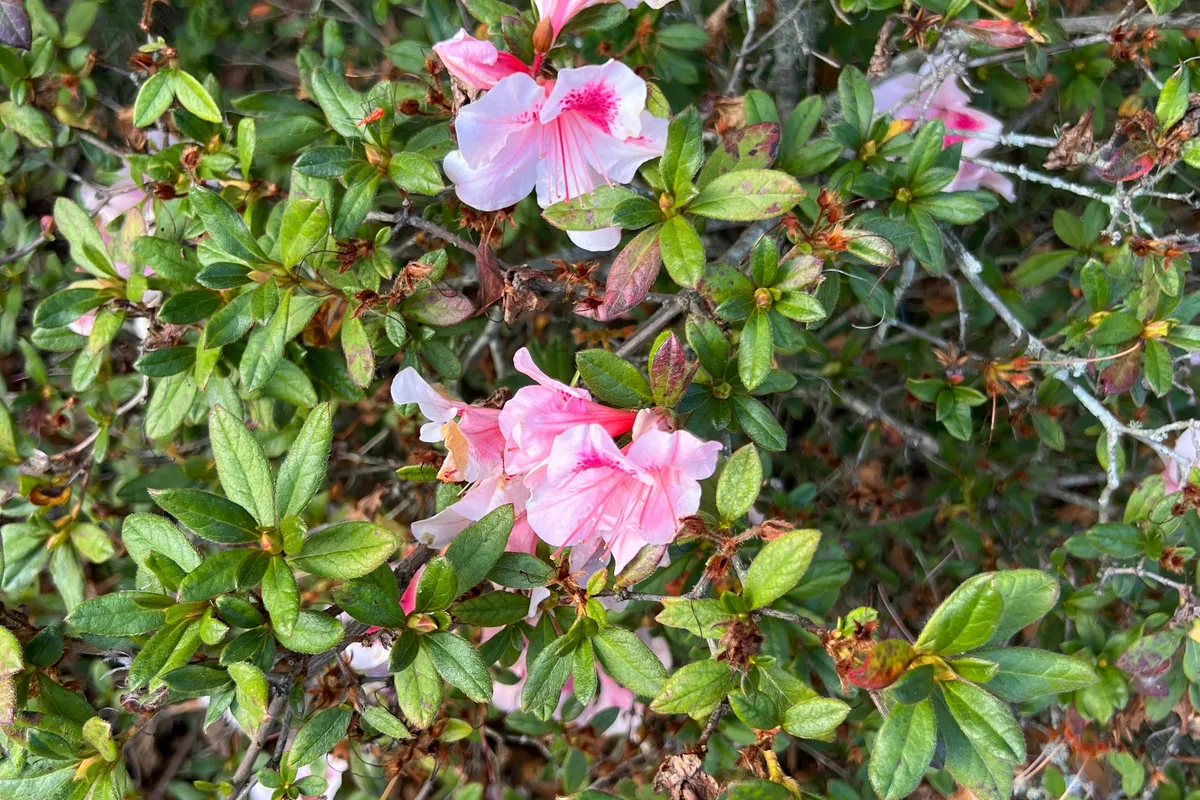
The Azalea on Every Chinese Balcony - Du Juan Hua and Missing Home
There is a flower that shows up in almost every classical Chinese poem about missing home. It is not the plum blossom. It is not the lotus. It is the azalea - du juan hua - and if you grew up in a Chinese household, there is a good chance your mom or your grandmother had one blooming on the balcony every spring.
My mom kept hers on the kitchen windowsill in our apartment in Queens. It was an unremarkable clay pot with a plant that spent most of the year looking like a sad little shrub. But every March, it would explode into these papery pink flowers that seemed way too pretty for our cramped kitchen. She would move it to the center of the dining table during meals and say, “See? It waited for spring.” Like the plant had made a conscious decision.
I did not care about that azalea when I was twelve. I cared about it a lot more when I moved to the other side of the country for college and realized that spring in California did not feel like spring at all without one.
The Cuckoo Bird and the Flower
The name du juan hua literally translates to “cuckoo flower,” and the story behind it is one of those Chinese legends that sounds beautiful until you realize how sad it actually is.
The story goes that an ancient king named Du Yu was overthrown and died of heartbreak. His spirit transformed into a cuckoo bird that cried so mournfully and so constantly that it coughed up blood. Where the blood fell, azaleas grew. So when the cuckoo sings in spring and the azaleas bloom, it is said to be the sound and sight of someone longing for home.
Cheerful stuff, I know.
But here is the thing - that longing resonated across centuries of Chinese literature. Scholars who were exiled from their home provinces wrote about du juan hua. Travelers far from family referenced the cuckoo’s cry. The flower became shorthand for a very specific kind of homesickness - not just missing a place, but missing the version of yourself that existed in that place.
When I bought my first azalea at a garden center in Brooklyn, I told myself it was just because I liked the pink flowers. I was lying.
Why Azaleas Are Worth the Effort
Let me be upfront - indoor azaleas are not the easiest houseplant you will ever grow. They are not a pothos that thrives on neglect. They have opinions about water, light, soil acidity, and temperature, and they will let you know when you have gotten it wrong by dropping every single bud before they open.
But when you get it right and those flowers bloom in late winter or early spring, filling your house with color when everything outside is still gray and cold, it is genuinely worth it. There is a reason these plants have been cultivated for centuries.
The species you will most commonly find sold as an indoor azalea is Rhododendron simsii, sometimes called the Indian azalea or Sims’ azalea. Despite the name, it is actually native to East Asia, which makes a lot more sense given the cultural history.
Light - Bright but Gentle
Azaleas want bright, indirect light. Think of a spot near a north-facing or east-facing window where they get plenty of ambient brightness without direct sun beating down on them. Direct afternoon sun will scorch the leaves and shorten the bloom period, which defeats the whole purpose.
If you only have south or west-facing windows, pull the plant back a few feet from the glass or use a sheer curtain to filter the light. During winter when the sun is weaker, you can move it a bit closer.
I keep mine on a shelf about three feet from an east-facing window in the living room. It gets good morning light and then gentle indirect light the rest of the day. The plant seems happy with this arrangement, which in azalea terms means it has not dropped all its leaves in protest.
Water - The Most Common Mistake
Here is where most people go wrong with indoor azaleas. These plants want consistently moist soil, but they absolutely cannot sit in waterlogged soil. It is a narrow window, and it takes some practice to find the rhythm.
Check the soil every day or two. When the top half inch feels dry, water thoroughly until it drains from the bottom. Then empty the saucer. Do not let the pot sit in standing water, but also do not let the soil dry out completely. If the soil pulls away from the edges of the pot, that means it got too dry, and you need to soak the whole thing in a basin of water for about 20 minutes to rehydrate it.
The other thing - and this is important - use rainwater, filtered water, or distilled water if you can. Azaleas are acid-loving plants, and the minerals in hard tap water can raise the soil pH over time, which slowly makes the plant miserable. If collecting rainwater sounds like too much effort (fair), letting tap water sit out overnight helps a bit. My mom used to keep a watering can on the counter and refill it every time she used it so the water was always room temperature and had time to off-gas chlorine. Turns out she was right about that.
Soil - Keep It Acidic
Azaleas need acidic soil with a pH between 4.5 and 6.0. Regular potting mix is too alkaline for them, so pick up a bag of soil specifically formulated for acid-loving plants like azaleas, camellias, and blueberries. You can find these at most garden centers - they are usually labeled “ericaceous compost” or “azalea/camellia mix.”
If you want to mix your own, combine equal parts peat moss, pine bark fines, and perlite. The peat moss keeps things acidic and moisture-retentive, the pine bark adds structure and acidity, and the perlite ensures drainage so the roots are not sitting in mush.
Here is a pro tip my neighbor Mr. Chen taught me: once a month, water with a diluted vinegar solution - about one tablespoon of white vinegar per gallon of water. It helps maintain soil acidity between repottings. I was skeptical, but the man has azaleas that bloom like they are being paid to, so I stopped questioning his methods.
Temperature and Humidity - Cool Feet, Humid Air
This is where apartment living can work in your favor or against you. Azaleas prefer cool temperatures - around 60 to 65 degrees Fahrenheit during the day and even cooler at night. They really do not like being near heating vents, radiators, or any source of dry heat. If your apartment runs hot in winter (and whose doesn’t), try to find the coolest spot in the house for your azalea.
Humidity matters a lot. Dry indoor air in winter is probably the single biggest reason people fail with indoor azaleas. The buds dry out and drop before they ever open, and you are left staring at a green shrub wondering what you did wrong.
To boost humidity, set the pot on a tray filled with pebbles and water. The water evaporates up around the plant without making the roots soggy. You can also run a small humidifier nearby or group your azalea with other plants, which creates a little microclimate of shared humidity. Misting helps temporarily but is not a long-term solution - it just makes the leaves wet without meaningfully raising the ambient moisture level.
My mom’s trick was keeping her azalea in the kitchen near the stove. Between the boiling water for rice and the steam from soup, that plant probably had better humidity than most greenhouses.
Feeding - Light and Acidic
Feed your azalea every two to three weeks during spring and summer with a fertilizer made for acid-loving plants. Dilute it to half the recommended strength. These plants are not heavy feeders, and over-fertilizing can burn the roots and cause leaf drop.
Do not fertilize while the plant is actively blooming. The energy is already going into flowers, and adding fertilizer at this stage can actually shorten the bloom period. Resume feeding after the flowers fade and new growth starts pushing out.
After the Flowers Fade
Here is the part that trips up a lot of first-time azalea owners. After the blooms are done - usually by late spring - the plant goes into a growth phase where it puts out new leaves and sets the buds for next year’s flowers. This is when your care really matters.
Prune lightly right after flowering to shape the plant. Do not wait too long because the new flower buds start forming on this year’s new growth. If you prune too late in summer, you will be cutting off next year’s blooms.
If you can, move the plant outdoors to a shaded spot for the summer months. The natural light, humidity, and cooler night temperatures do wonders. Just bring it back inside before temperatures drop below 40 degrees in the fall. Give it a few weeks in a cool room (around 40 to 50 degrees if possible) before moving it to its regular spot - this cold period helps trigger bud formation.
I know not everyone has a porch or a balcony for the summer outdoor phase. If that is your situation, just keep doing what you have been doing indoors - bright indirect light, consistent moisture, regular feeding. The plant might not bloom quite as dramatically the following year, but it will still bloom.
A Note on Toxicity
One thing to know - all parts of azaleas contain grayanotoxins, which are toxic to pets and humans if ingested. If you have cats, dogs, or very curious toddlers, this is a plant to keep out of reach. My kids are past the everything-in-the-mouth phase, thankfully, but when they were smaller, this plant lived on the highest shelf in the house. Just something to keep in mind.
The Azalea I Finally Bought
I bought my current azalea three springs ago from a nursery in Chinatown. It was potted in one of those shallow ceramic pots - blue and white, the kind you see at every Chinese gift shop. The woman who sold it to me asked if it was for Lunar New Year, and I said no, it was for my kitchen windowsill. She nodded like that was the right answer.
It sits in the same spot my mom’s azalea used to sit - by the window, where it catches the morning light. My kids are used to it now. They know not to touch it. They know it is “Dad’s sad poetry flower,” which is apparently what they absorbed from me explaining the du juan legend at dinner one night.
Every March when it blooms, I send my mom a photo. She always replies the same way - “Looks healthy. Do not overwater.”
She is right. She is always right about the plant.
Quick Care Cheat Sheet
Here is everything you need in one place:
- Light: Bright, indirect. East or north-facing window is ideal.
- Water: Keep soil consistently moist. Use filtered or rainwater. Never let it dry out completely or sit in standing water.
- Soil: Acidic mix (pH 4.5-6.0). Use ericaceous compost or a peat/pine bark/perlite blend.
- Temperature: Cool - 60 to 65 degrees Fahrenheit. Keep away from heating vents.
- Humidity: High. Use a pebble tray, humidifier, or group with other plants.
- Fertilizer: Half-strength acid-loving plant food every 2-3 weeks in spring and summer. Stop during bloom.
- Pruning: Right after flowers fade. Do not wait or you will lose next year’s buds.
- Toxicity: Toxic to pets and humans if ingested. Keep out of reach of kids and animals.
What This Plant Really Is
My mom never called her azalea “du juan hua” in conversation. She just called it “the flower.” But she placed it where she could see it every morning while she made breakfast, and she took better care of it than almost anything else in that apartment. I think, on some level she never articulated, that plant was her version of the cuckoo’s cry - a small, living connection to a place and a time she could not go back to.
Now it is mine. Different plant, same windowsill energy. Same spring bloom that makes a cramped kitchen feel like something worth coming home to.
If you have never grown an azalea before, give it a try. It is fussier than a pothos and less forgiving than a snake plant. But when those flowers open in March and you realize you kept something beautiful alive through winter - that is a feeling worth earning.