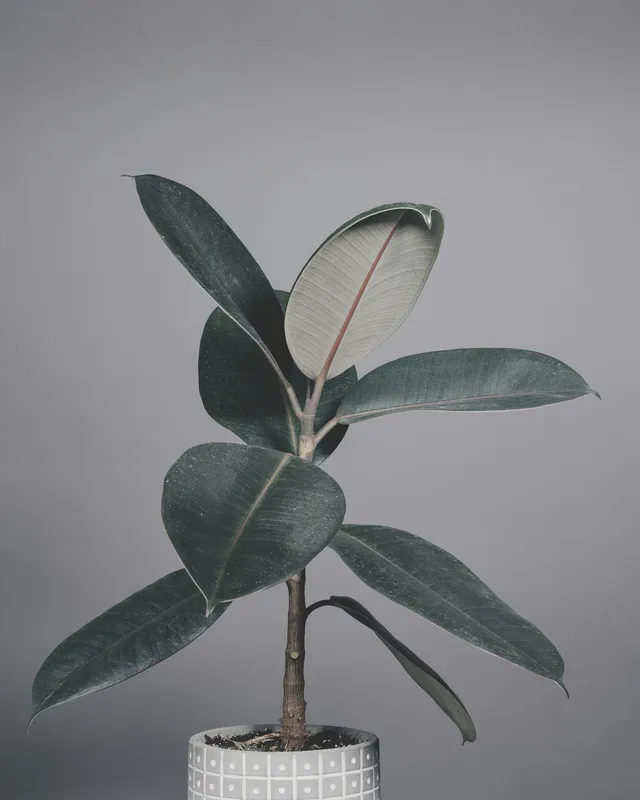
Air Layering Houseplants: The Propagation Trick Nobody Taught You
I spent two years staring at my rubber plant, watching it grow taller and leggier and sadder-looking, losing leaves along the bottom until it looked like a green lollipop on a stick. I knew I wanted to propagate it. I had done my share of stem cuttings with pothos and philodendrons. But every time I thought about cutting the top off my rubber plant - my one good rubber plant - I chickened out.
What if it did not root? What if I killed the parent plant? What if my wife noticed and asked me why I chopped up a perfectly good houseplant for no reason?
Then a friend told me about air layering, and I felt like I had been given a cheat code. You grow the roots first, while the cutting is still attached and alive. Then you cut. No blind faith required.
If you have a tall, leggy, or woody houseplant that you want to propagate but you are terrified of taking the plunge, air layering is your answer.
What Is Air Layering, Exactly?
Air layering is a propagation method where you encourage roots to grow on a section of stem while it is still connected to the parent plant. You wound a small area of the stem, wrap it in moist sphagnum moss, seal it up, and wait. The plant responds to the wound by sending out roots into the moss. Once you have a healthy root ball, you cut below the new roots and pot it up as a new plant.
The beauty of this technique is that the cutting stays fed and hydrated by the parent plant the entire time. There is zero risk of the cutting dying before it roots, because it is not a cutting yet. It is still part of the original plant, happily receiving water and nutrients through the stem.
This method has been used in agriculture and horticulture for centuries. It is especially popular in bonsai culture and among orchardists grafting fruit trees. But for houseplant people? It is criminally underused.
Which Houseplants Work Best for Air Layering?
Air layering works best on plants with thicker, woodier stems that do not root easily from simple water propagation. If you have tried sticking a stem cutting in water and watching it sit there for three months doing nothing, that plant is probably a great air layering candidate.
Here are the best houseplants for this method:
- Rubber Plant (Ficus elastica) - The classic air layering candidate. Thick stems, milky sap that makes cuttings tricky, and a tendency to get leggy. Air layering was practically invented for this plant.
- Fiddle Leaf Fig (Ficus lyrata) - Same family, same challenges, same solution. If your fiddle leaf has turned into a tall stick with a pom-pom of leaves at the top, air layering lets you bring those leaves back down to a reasonable height.
- Dracaena - Any of the taller dracaena varieties work well. They get leggy over time and respond beautifully to air layering.
- Croton (Codiaeum variegatum) - These colorful plants have woody stems that are reluctant to root in water. Air layering gives them the time and conditions they need.
- Schefflera (Umbrella Plant) - Another one that gets tall and bare at the bottom. Air layering lets you start fresh without losing the mature top growth.
- Dieffenbachia - Can be propagated by cuttings, but air layering gives more reliable results with larger sections.
- Monstera Deliciosa - While monsteras root fairly easily from cuttings, air layering is useful when you want to propagate a large section with aerial roots already forming.
What You Need
Gather your supplies before you start. There is nothing worse than having a wound cut in your plant and realizing you forgot the plastic wrap.
- A sharp, clean knife or razor blade
- Sphagnum moss (the long-fiber kind, not peat moss)
- Plastic wrap or a clear plastic bag
- Twist ties, string, or tape to secure the wrap
- Rooting hormone (optional but helpful)
- A spray bottle with water
- Paper towels or a damp cloth
The sphagnum moss is the one thing you might need to order. You can find it at most garden centers or online. Get the unmilled, long-fiber variety - it holds moisture well and gives roots something to grab onto.
Step-by-Step: How to Air Layer a Houseplant
Step 1: Choose Your Spot
Pick a section of stem where you want your new plant to begin. For leggy plants, this is usually right below where the leaves start. You want at least a few healthy leaves above your cut point, because those leaves will become the top of your new plant.
The stem should be healthy, firm, and at least pencil-thick. Thinner stems can work but take longer and are more fragile.
Step 2: Wound the Stem
This is the part that feels scary the first time, but your plant can handle it. You have two options:
Option A: The Ring Method. Using your knife, make two parallel cuts around the stem about half an inch apart. Then carefully peel away the bark and the green layer underneath (the cambium) between the two cuts, all the way around the stem. You should see the lighter, harder wood underneath. This is the method I use most often because it gives the clearest signal to the plant.
Option B: The Slit Method. Make an upward diagonal cut about one to two inches long, going about a third of the way through the stem. Insert a toothpick or small piece of sphagnum moss to keep the wound open. This method is less aggressive and works well on thinner stems.
For rubber plants and other ficus species, you will notice milky white sap oozing from the cut. This is normal. Dab it off with a damp cloth and let it stop flowing before continuing. The sap can cause skin irritation, so wear gloves if you are sensitive.
Step 3: Apply Rooting Hormone (Optional)
If you have rooting hormone powder or gel, dust it onto the exposed wound. This is not strictly necessary - the plant will produce its own rooting hormones in response to the wound - but it speeds things up, especially in cooler months when growth is slower.
Step 4: Wrap with Sphagnum Moss
Take a generous handful of sphagnum moss and soak it in water for about ten minutes. Then squeeze it out firmly. You want it damp like a wrung-out sponge, not dripping wet. Too much moisture can cause rot instead of roots.
Pack the moist moss around the wound, creating a ball about the size of your fist. Make sure the moss covers the entire wounded area plus an inch or so above and below.
Step 5: Seal It Up
Wrap the moss ball tightly with plastic wrap. You want a good seal to keep the moisture in. Twist and tie the plastic at the top and bottom of the moss ball, securing it to the stem with twist ties or tape.
The key here is keeping moisture in while still letting you see what is happening inside. Clear plastic wrap works best because you can check for root growth without unwrapping everything.
Some people use aluminum foil instead of plastic wrap, arguing that darkness encourages root growth. I have tried both and honestly have not noticed a significant difference with houseplants. Use whatever you have.
Step 6: Wait (The Hard Part)
Now you wait. Depending on the plant species, the temperature, and the season, roots can take anywhere from three weeks to three months to develop.
Check the moss every week or two by gently squeezing the plastic. If the moss feels dry, carefully open the top of the wrap, mist with water, and reseal. The moss should stay consistently damp but never soggy.
You will know roots are forming when you see white or light-colored tendrils growing through the moss. Wait until you have a good network of roots - at least several that are a few inches long. More roots means a better chance of survival after separation.
For reference, my rubber plants typically take about six to eight weeks. Fiddle leaf figs can take a bit longer, sometimes up to ten weeks.
Step 7: Cut and Pot
Once you have a healthy root ball visible through the plastic, it is time to separate. Using sharp, clean pruners or a saw for thick stems, cut the stem just below the moss ball. Do not remove the moss from the roots - it will break apart naturally as the plant grows.
Pot your new plant in a container with drainage holes, using an appropriate potting mix for the species. Water it thoroughly and place it in bright, indirect light. The new plant may droop a bit for the first week or two as it adjusts. This is normal. Keep the soil consistently moist but not waterlogged during this transition period.
What Happens to the Parent Plant?
Here is the bonus that makes air layering even better: the parent plant does not die. After you cut off the top, the remaining stem will usually push out new growth from dormant buds below the cut point. Often, the parent plant will branch out and become bushier than it was before.
My original rubber plant, the sad lollipop one, is now a multi-branched specimen with three growing points. It looks better than it ever did when it was a single tall stem. So air layering effectively gives you two improved plants from one mediocre one. That is what I call a dad win.
Common Mistakes to Avoid
Not removing enough bark. If you use the ring method, make sure you scrape away all of the cambium layer. If even a thin strip remains, the plant can heal over the wound without producing roots. Scrape until you see hard, pale wood all the way around.
Moss too wet. Soggy moss leads to rot, not roots. Squeeze out excess water until the moss is damp but not dripping. If you see dark, mushy spots developing on the stem, your moss is too wet.
Cutting too soon. I know the excitement is real when you see the first tiny root nub. But one or two small roots are not enough. Wait until you have a visible network of roots filling the moss. Patience here saves you from losing the cutting after separation.
Forgetting to check moisture. The moss can dry out over weeks, especially in heated winter air. Set a reminder to check it weekly. A dried-out moss ball means the roots die and you have to start over.
Choosing a stem that is too thin. Pencil-thick is the minimum. Thinner stems have less stored energy and are more likely to fail. If your plant only has thin stems, consider waiting until it matures a bit more.
When to Air Layer
The best time is during the active growing season - spring through early summer. The plant is already in growth mode and will produce roots faster. You can air layer in fall or winter, but expect it to take significantly longer, sometimes double the time.
If your plant is looking particularly leggy right now and it is the middle of winter, go ahead and set it up. The roots will be ready by spring, which is actually perfect timing for potting up the new plant.
Is It Worth the Effort?
Honestly? Yes. Air layering takes about fifteen minutes of active work, plus a few minutes each week to check moisture. The rest is just waiting. Compared to the heartbreak of watching an expensive fiddle leaf fig cutting turn to mush in a jar of water, air layering is practically stress-free.
It is also one of the most satisfying propagation methods because you can literally watch roots grow through the plastic. My kids think it is magic. My four-year-old checks “the plant bandage” every morning and gives me status reports. “Daddy, there are more white things today.” She is not wrong.
If you have a leggy houseplant that needs a fresh start, give air layering a try. The worst that happens is the moss dries out and you try again. The best that happens is you get two beautiful plants from one sad one, and you feel like a genius.
Your move, lollipop plant.